

Most teams already have a DEI position, but that still doesn’t reflect in their standard workdays.
The same teams that publish strong statements still default to familiar voices, familiar vendors, and familiar angles when timelines get tight or stakes get high.
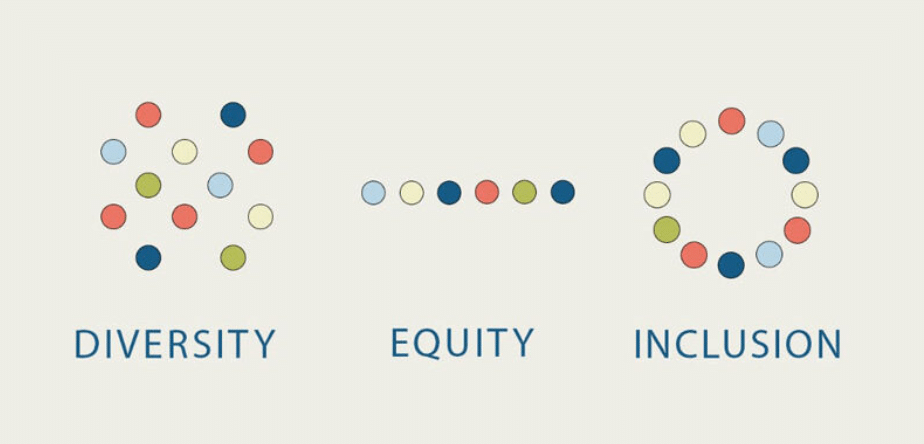
Audiences notice it over time.
Edelman’s 2024 Trust Barometer points to this directly: people aren’t reacting to a single campaign or statement. They’re watching whether behavior changes, and whether it holds
This is where DEI either becomes part of how work gets done or stays surface-level.
Understanding DEI In PR
Before getting into execution, it helps to look at where DEI actually changes outcomes inside PR.
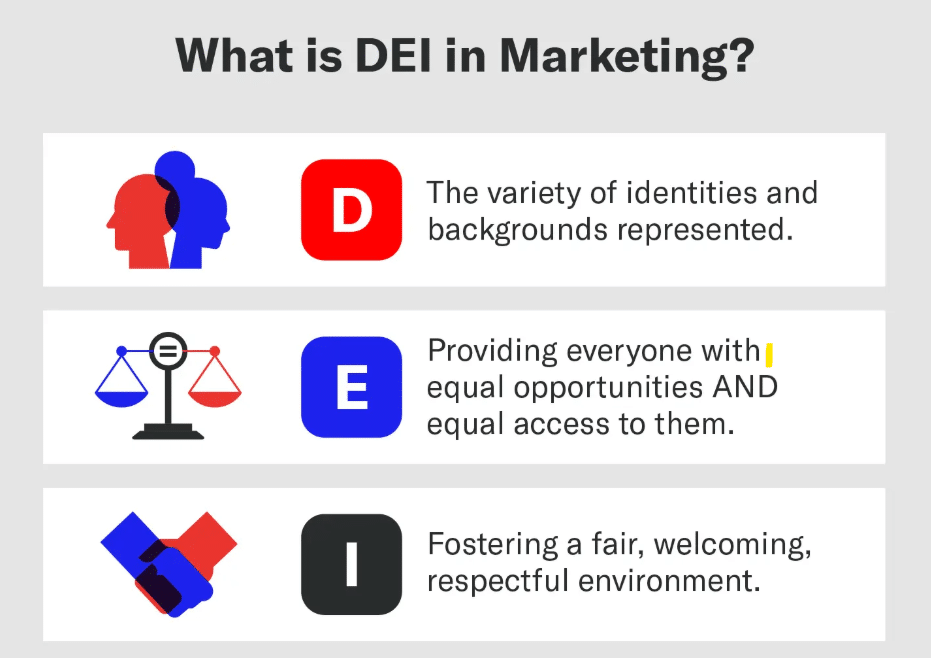
You see the impact during the work itself, not after.
- A review where someone flags language that would have caused pushback.
- A campaign angle that gets adjusted before it becomes limiting.
- A spokesperson choice that gets reconsidered early enough to matter.
Those moments don’t show up in reports, but they prevent problems.
Eric Yohay, CEO and Founder of Outbound Consulting, works with sales teams where messaging gets pressure-tested in real conversations, not internal reviews.
He puts it this way: “On paper, a message can look inclusive and well-considered. But the real test is how it lands when a prospect pushes back or asks a direct question. That’s usually where gaps show up. If different audiences interpret the same message in completely different ways, it’s an input problem. Something was missing before it ever went out.”
It’s less about making work more inclusive in a visible way and more about reducing blind spots before they turn into public issues.
There’s also a practical upside.
Teams working with broader inputs tend to produce stronger, more resilient work. They need fewer revisions and corrections post-launch and have better alignment with how audiences actually respond.
Developing A DEI-Centric PR Culture
For DEI to hold, it has to be built into the mechanics of how work moves, not layered on top after decisions are already made.
Assessing and restructuring internal practices
Look at the repeat points: sourcing, approvals, spokesperson selection, vendor choices, imagery, accessibility checks. These are the places where patterns show up.
Trying to fix everything at once doesn’t work. The changes don’t stick.
Focus on the points that influence multiple outputs. Changing how vendors are selected, for example, affects every campaign that follows. Same with how briefs are reviewed.
Andrew Bates, COO of Bates Electric, deals with high-intent service requests where customers are often making decisions quickly and under pressure.
He explains, “In our case, the risk isn’t just messaging, it’s who shows up to do the work. If the same subcontractors or crews get used every time because they’re familiar, you limit the range of perspectives and experiences that shape the service. We had to change how we select partners, not just how we communicate, because that decision affects everything downstream.”
Feedback loops are useful, but only if they’re visible. If input gets collected and nothing changes (or nothing is communicated back), people stop contributing.
And unless leadership is accountable for this, it stays optional.
Building an inclusive narrative
This is often reduced to representation. That misses the bigger issue.
The key question is who shaped the narrative before production began. Who influenced the framing? Who had the context to challenge assumptions early?
Because by the time you’re casting or editing, most of the important decisions are already locked in.
Samuel Charmetant, Founder of ArtMajeur, runs a global art marketplace where buyers evaluate work across cultures, styles, and contexts before making a decision.
He notes, “People often think representation happens at the final stage, but in marketplaces like ours, the framing happens much earlier. Which artists are surfaced, how collections are grouped, and what context is given to the work that shapes perception before the viewer even engages. If those inputs are narrow, the outcome will be too.”
You see the difference in the details. Who’s conducting interviews? What context is included or left out, and who does that harm? How are contributors credited and positioned?
If those inputs don’t change, the output won’t meaningfully change either.
How to Embed DEI In Everyday PR
Execution is where most teams struggle because they’re not built into default workflows.
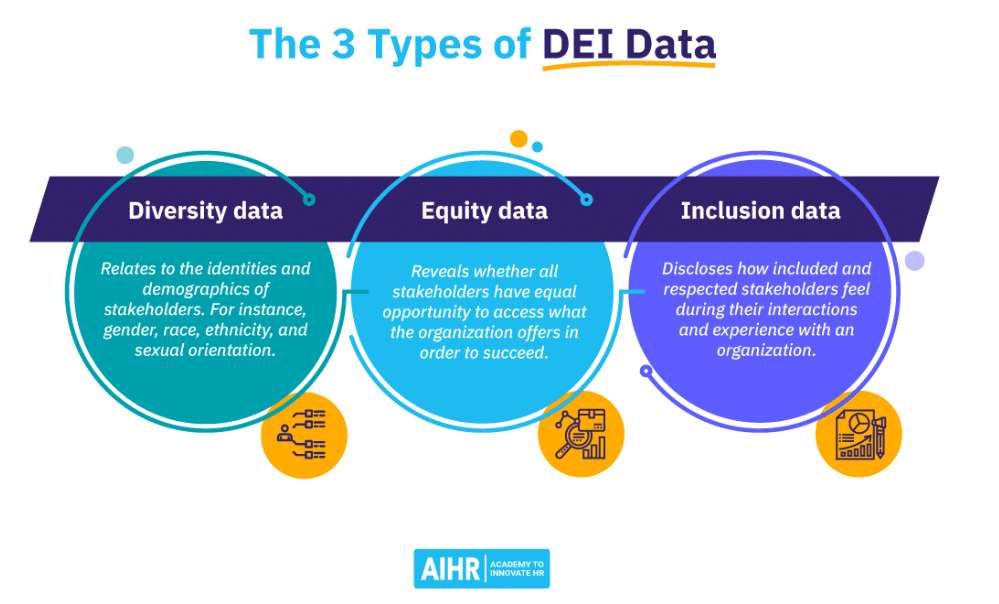
Inclusive content creation
Inclusion needs to start before production. Most teams run into the same constraint early: limited contributor pools. The same creators, the same experts, and sources. That shapes the work before it even begins.
Ryan Beattie, Director of Business Development at UK SARMs, operates in a highly scrutinized industry where messaging is closely evaluated for accuracy and intent.
He says, “In regulated spaces, you don’t have much room for interpretation. If your content is built from a narrow set of sources or perspectives, it shows immediately, either in how it’s questioned or how it’s ignored. Expanding who contributes to the content isn’t just about inclusion. It’s about making sure the information actually holds up when people examine it closely.”
Then there’s execution.
Accessibility isn’t something you add at the end. Captions, transcripts, alt text, and readable layouts need to be part of how content is produced from the start.
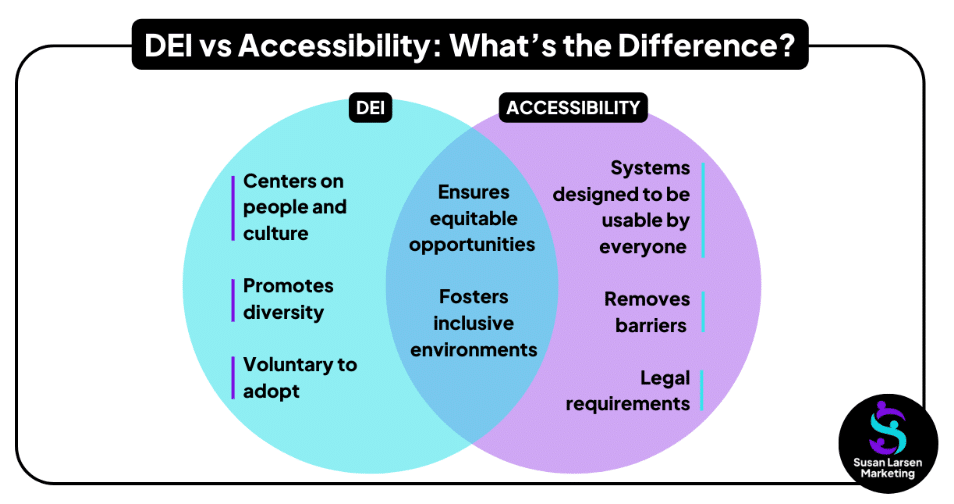
Localization is another pressure point. Direct translation often strips context. Adapting for cultural relevance takes more effort, but it changes how the work lands.
Imagery is usually where shallow work shows up fastest. If it feels generic, audiences move past it.
Engagement and community building
This is where intent gets tested.
You can’t build trust by showing up only when you need something, like during a campaign, a crisis, or a specific cultural moment.
That approach is easy to spot.
Sustainable engagement looks different. Ongoing relationships. Community partners involved before messaging is finalized, not after backlash. Input that shapes direction, not just validates it.
It also means compensation. If communities are contributing expertise, they should be treated as collaborators, not informal advisors.
And it requires follow-through.
Sharing results back. Acknowledging contributions publicly when appropriate. Maintaining contact outside of campaign cycles.
Continuous learning and adaptation
Static training quickly becomes outdated. Standards shift. Language evolves. Expectations change faster than most teams update their processes.
Ongoing training helps, but it needs to stay relevant. Rotating focus areas like accessibility, representation, bias in AI tools, and evolving media standards keep it practical.
What matters more is how easily teams can update their approach. Shared resources. Clear ownership. Regular reviews of what’s changed and what needs adjustment.
How to Measure DEI Impact In PR
What gets measured tends to shape behavior. If DEI isn’t part of standard reporting, it stays peripheral.
What to track and why
Traditional PR metrics don’t capture this well on their own.
You need to look at what’s feeding into the work, what’s being produced, and what’s changing as a result.
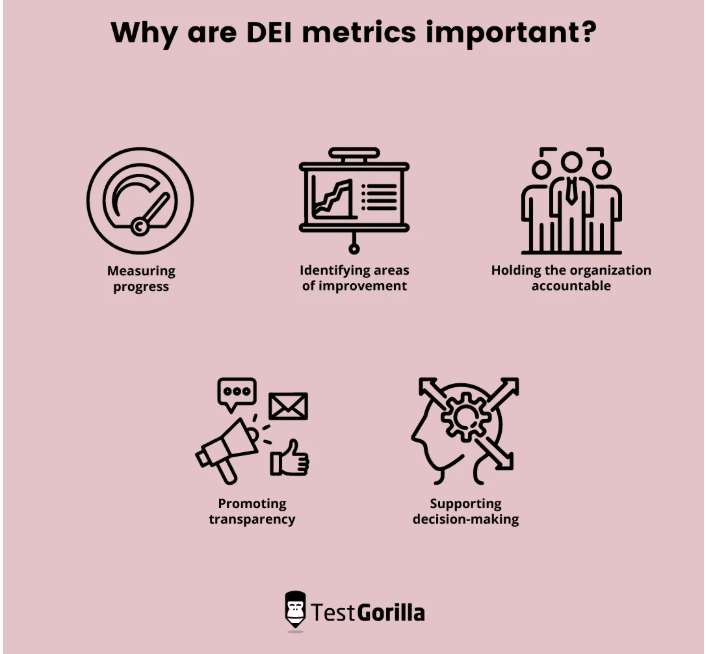
At the input level, that includes:
- Who’s involved, media lists, spokespeople, vendors, reviewers
- Whether accessibility standards are being met consistently.
At the output level, look at representation.
- Who’s quoted, featured, credited
- How language and framing align with internal guidelines
- Where content is being distributed, not just top-tier outlets, but community and ethnic media.
Outcomes are harder, but more meaningful.
- Sentiment across different audience segments
- Feedback from community partners
- Internal signals like employee belonging tied to communications efforts
None of this works without transparency.
Publishing a simple DEI scorecard, with what changed, what didn’t, and why, creates accountability. Especially if AI tools are involved, where bias checks and guardrails need to be explicit.
Case Studies: Successful DEI Implementation In PR
The examples that hold up tend to share the same pattern: inclusive process, real partnerships, and clear measurement.
P&G’s The Talk and follow-on campaigns didn’t rely on a single message. They built a body of work that addressed everyday bias across multiple formats and contexts, backed by broader initiatives beyond the campaign itself
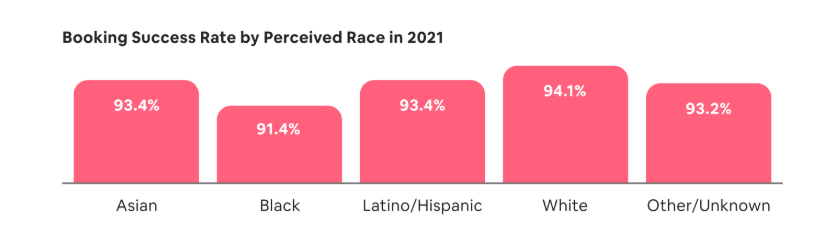
Airbnb’s Project Lighthouse approached DEI from a measurement standpoint. Defining what to track, working with external partners, and publishing findings made accountability part of the strategy, not an afterthought.
Dove’s CROWN Coalition focused on long-term impact. Advocacy, policy change, and ongoing storytelling kept the work active beyond a single campaign cycle.
Where To Start
You don’t need a full overhaul to begin. Start with the parts of your process that repeat. The decisions that affect multiple campaigns. The points where input is limited, or feedback isn’t acted on.
Bring more perspectives into those stages.
Set clear standards for how content is created and reviewed. Build relationships that extend beyond individual campaigns. Track what’s changing and make it visible.
If you’re trying to move this from intent to execution, Agility PR Solutions gives teams a way to actually operationalize it, tracking media representation, diversifying outreach lists, and keeping visibility on who’s being included (and who isn’t) across campaigns.