

In 2026, financial firms face a landscape in which rumors and technical glitches can escalate into crises within minutes.
Maintaining a stable reputation depends on your organization’s ability to provide accurate information as quickly as the news spreads.
This playbook outlines the practical steps for managing these risks.
It covers how to monitor early warning signals, align communications with legal and compliance teams, prepare crisis messaging, and build trust before a public issue escalates.
The new reputation landscape in financial services
The speed at which information travels has fundamentally changed how people perceive financial institutions.
In the past, a firm had hours or even days to address a problem before it became public knowledge. Today, any discrepancy in service or a shift in market position is instantly visible to the public.
This immediate visibility means that your company’s standing is constantly being evaluated by clients, regulators, and the general public based on real-time data rather than long-term history.
Why trust is more fragile than before
Trust is more fragile than it used to be because the sources people rely on have diversified. Clients no longer wait for official statements or traditional news reports to form an opinion. Instead, they look to peer discussions and independent creators on social media to gauge a company’s health.
A single post from an influential individual or a viral thread about a technical delay can spark a mass withdrawal of confidence before your brand has the chance to explain the situation.
How AI and real-time media cycles accelerate risk
The risks are further accelerated by the way information is processed and redistributed. AI-driven tools now monitor every public data point, from stock fluctuations to executive comments, and can automatically trigger trades or generate news summaries based on that data.
This creates a cycle where a small error is picked up by an algorithm, amplified by automated feeds, and turned into a major story within seconds.
So, it’s critical for firms to manage their media coverage with extreme precision, as any delay in providing the facts allows the automated narrative to set the tone for the market’s reaction.
Core principles of financial services PR
Effective communication in this sector depends on providing verifiable information. Vague assurances fail when clients and regulators demand proof of stability. Every statement must be backed by documented facts to ensure the public receives an accurate account of your firm’s operations.
A disciplined approach to financial PR builds a track record of reliability. By consistently sharing expertise and being transparent about business practices, you create a foundation of credibility. This history of accuracy helps maintain stakeholder confidence if a problem occurs.
Align PR with compliance and legal teams
Managing risk requires a direct partnership between communications, legal, and compliance teams. These groups must verify technical details before releasing any public statement. This coordination ensures that disclosures meet regulatory standards while addressing public concerns.
This coordination gives teams a single approved version of the facts before any message reaches clients, media, or regulators. The goal is to speak with one voice across all platforms, from regulatory filings to client emails. Avoiding inconsistent messaging prevents the appearance of internal confusion and helps maintain a sense of stability.
Prioritize consistency across all communication channels
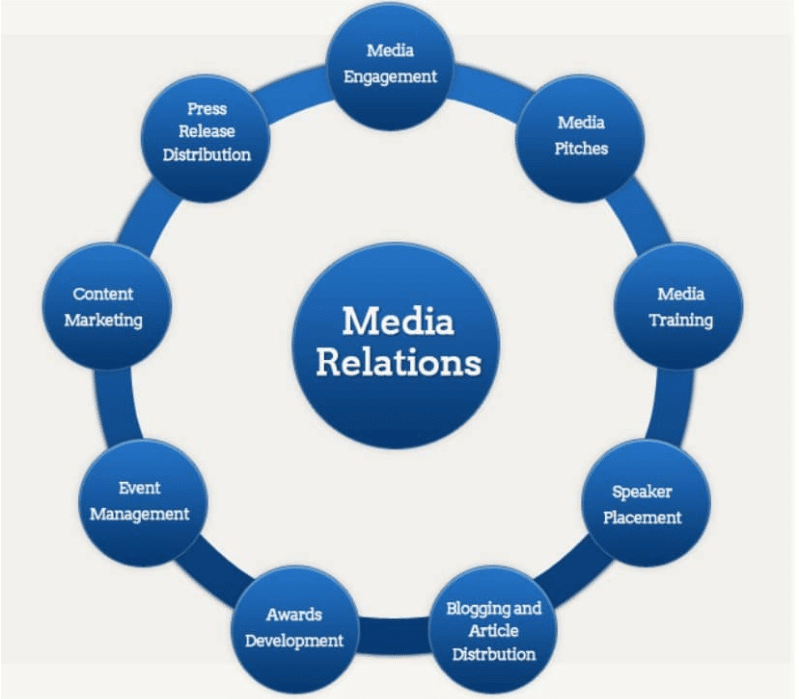
Image credit: https://smcom.be
Inconsistency across different platforms is often seen as a sign of internal confusion. Whether your firm is issuing an official filing or a quick update to clients, the core facts must remain the same.
This uniformity prevents the public from finding contradictions that could lead to further scrutiny. A commitment to strategic communications ensures that every department is aligned on the same message.
Build credibility through expertise and education
Establishing a firm as a reliable source of information requires a focus on sharing practical knowledge. Providing regular updates on market shifts and a clear explanation of complex financial topics creates a record of transparency.
As a result, stakeholders are better able to understand your company’s perspective before a crisis occurs.
In an industry where trust is essential, companies such as Abacus Global, which offer insurance broker services, benefit greatly from a strong PR strategy focused on reputation and risk management.
As clients rely on brokers for guidance on complex financial protections, maintaining transparent communication, a credible media presence, and positive client testimonials helps reinforce authority and reliability.
In 2026 and beyond, proactive public relations, such as thought leadership, clear crisis communication, and consistent brand messaging, will be key for insurance brokers looking to strengthen client confidence and stand out in a competitive financial services landscape.
Once that credibility foundation is in place, the next priority is detecting threats early enough to respond before they shape public perception.
Risk identification and monitoring systems
Identifying a threat before it hits the mainstream is the only way to stay ahead of the news cycle. This involves tracking specific keywords and broader sentiment shifts across news sites and social platforms.
When your firm understands the early warning signs, you can prepare a factual crisis response rather than reacting in a panic once a story breaks.
Monitor media, sentiment, and early warning signals
In an era where algorithmic trading and social sentiment collide, risk management for financial institutions must evolve.
Modern PR directors are increasingly utilizing bullish chart patterns not as trading signals, but as ‘reputation thermometers’ to gauge when the market is psychologically primed for expansionary news versus when it remains in a defensive, risk-averse crouch.
These insights also guide external communication. By understanding the current market mood, your team can adjust messaging so public updates do not feel tone-deaf during periods of high volatility.
At the same time, it’s important to track media coverage, social media conversations, and shifts in sentiment across platforms. Sudden spikes in attention, changes in tone, or repeated concerns often signal a developing issue before it escalates. These early warning signals give your teams time to align internally and respond with control instead of urgency.
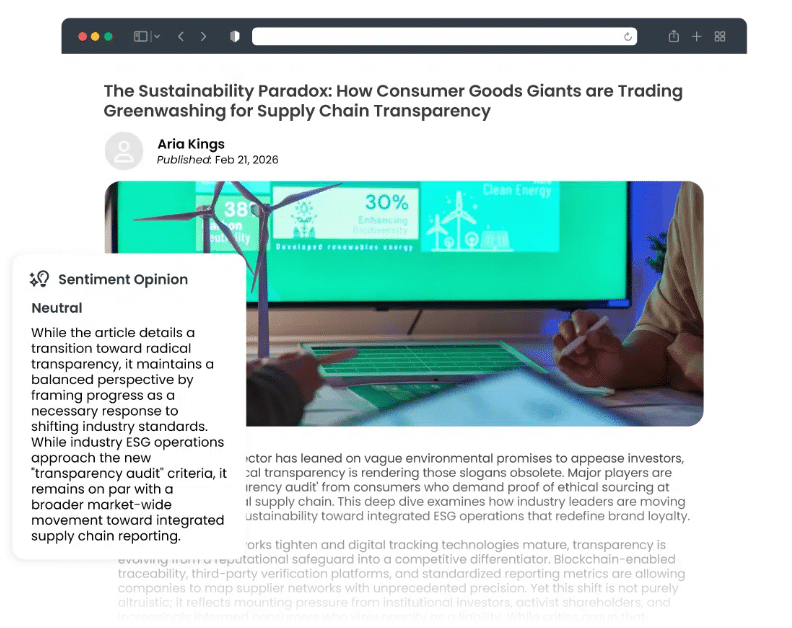
Image credit: https://www.agilitypr.com/
Map potential risk scenarios in advance
Firms should not be defining their strategy for the first time during an active crisis. Mapping out likely scenarios in advance helps teams stay calm and follow a clear response plan.
This means identifying the most likely risk scenarios and creating a clear response path for each one.
- Market swings: Know which experts will speak for the firm if a sudden market drop causes client anxiety.
- Data issues: Have a step-by-step guide to confirm what happened and notify the right people immediately.
- System outages: Plan how to reassure clients that their money is safe and when they can access their accounts again.
- False rumors: Set a threshold for when to monitor online speculation and when to issue a clear factual correction.
A crisis communication framework for financial institutions
A solid framework acts as a guide for what to do when things go wrong. It moves the focus from reacting to individual comments to following a set of verified steps. This helps your firm stay grounded and prevents the spread of unverified information during a period of high stress.
Effective crisis management depends on having clear lines of authority. When everyone knows who’s responsible for verifying facts and who’s responsible for speaking to the public, your firm can move much faster.
This reduces the chance of making a mistake that could lead to further complications or loss of client trust.
Establish a centralized crisis response team
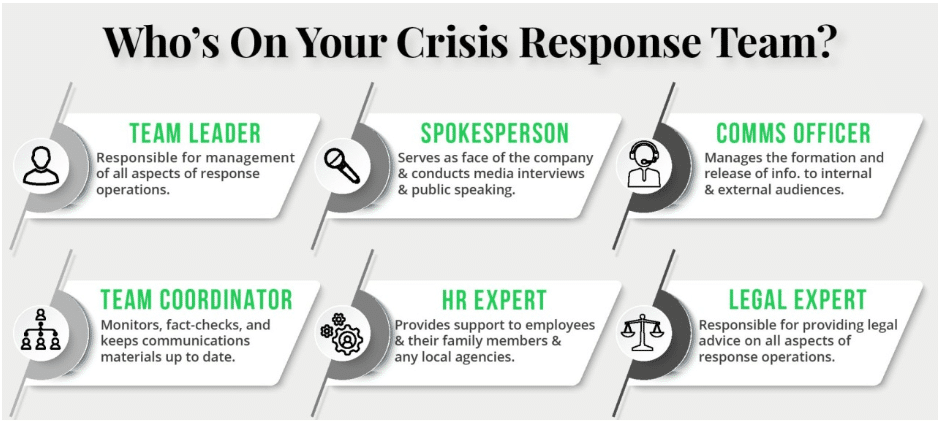
Image credit: https://www.linkedin.com/
Reputation risk in financial services is often shaped by how companies respond under pressure, not just how they operate during normal conditions. An incident response policy plays a key role here by defining how teams react to security issues, system failures, or data breaches.
When responses are delayed or inconsistent, it can quickly damage trust and escalate the situation publicly. Having a clear structure in place helps ensure communication is timely, accurate, and aligned across teams.
It also reduces internal confusion during critical moments. From a PR perspective, behind-the-scenes preparation directly impacts how credible the response feels externally. Over time, this level of readiness becomes part of the brand’s reliability.
Setting up this team requires representatives from the technical, legal, and communications departments to work in the same loop. This setup ensures that no message goes out without a technical reality check.
You can also work with a PR agency to bring in an outside perspective and extra resources, allowing the internal team to stay focused on operations while external partners manage the broader media landscape.
Develop pre-approved messaging templates
In a high-pressure situation, you don’t want to be drafting a complex statement from scratch. Pre-approved templates allow the team to plug in specific facts and get the message out immediately. This speed is critical for preventing rumors from taking over the narrative.
- Stakeholder-specific communication: Different groups need different information. A template for investors might focus on financial stability, while one for customers might focus on account access and security.
- Consistency: Using a consistent structure ensures that the core message remains the same across all channels, which builds confidence in how your firm handles the situation.
- Speed and accuracy: Use templates to ensure the tone and legal safeguards are already in place, so the team only needs to verify the latest data.
Balance speed with accuracy in high-pressure situations
The first few minutes of a crisis are often the most critical. While there’s immense pressure to say something immediately, releasing incorrect data can be more damaging than a short delay.
The goal is to provide confirmed facts in small, frequent updates rather than waiting hours for a perfect, lengthy statement. This keeps the public informed while ensuring your firm doesn’t have to retract statements later.
Maintain stakeholder-specific communication
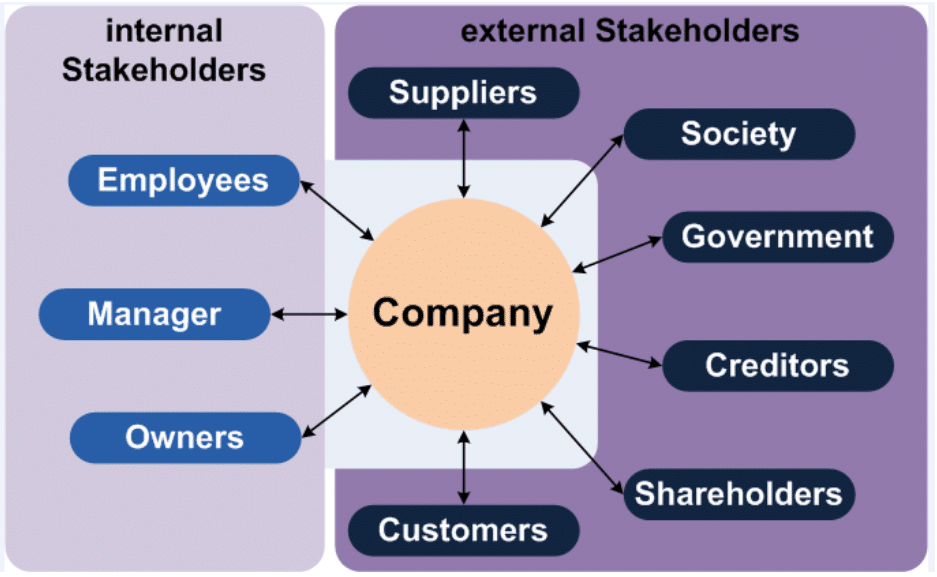
Image credit: https://open.lib.umn.edu/
Different audiences have different priorities during a disruption. Retail customers want to know about their account access, while institutional investors are looking for data on liquidity and long-term stability.
Managing these distinct needs requires tailoring the depth and technicality of the information provided to each group. Being able to address these concerns directly helps your firm prevent a general sense of panic from taking hold across the entire client base.
However, each audience-specific message still needs to stay within legal and regulatory boundaries.
Managing regulatory and compliance communication
Financial firms operate under strict rules regarding what they can say and when they can say it. Every public update must be checked against current regulations to avoid fines or legal complications.
This requires a process where the communications team and compliance officers work in parallel. As a result, the need for transparency never overrides legal requirements.
Translate complex regulations into accessible messaging
Reputation in financial services is often built around how clearly you guide people through major life decisions. For a first-time homebuyer, confusion about rates, approvals, and long-term commitments can quickly turn into distrust if communication isn’t handled well.
PR strategies should focus on simplifying these moments and setting realistic expectations early. When messaging reflects real concerns rather than polished promises, it feels more credible.
This also reduces the risk of backlash when market conditions shift. Clear guidance builds confidence before the transaction even happens. Over time, that consistency becomes part of the brand’s reputation.
To achieve this, your firm must break down dense legal jargon into plain language that helps the average person make an informed choice. That way, you improve the customer experience and create a defense against claims that your firm was being intentionally opaque.
Coordinate disclosures across all platforms
A message shared on your firm’s website must match what you’re sending to news outlets and regulators.
If a client sees one update on a dashboard and a different version in the news, they’ll lose confidence in your firm’s honesty. Official press releases should serve as the primary source of truth, with all other social media updates or emails pointing back to that central, verified document.
Reduce risk through proactive communication
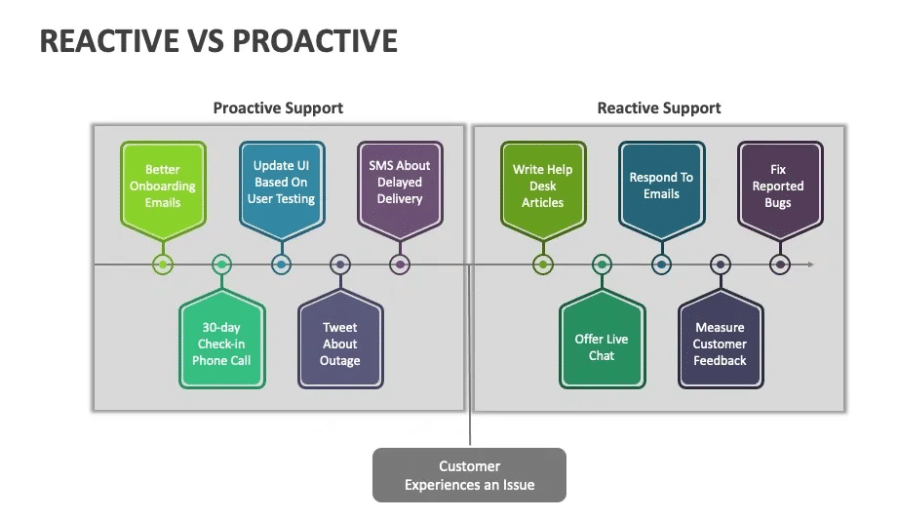
Image credit: https://empathyfirstmedia.com/
Waiting for a problem to occur before talking to stakeholders is a high-risk strategy. Regularly providing updates on your firm’s health and operational changes helps you build a trust buffer.
This is especially important for investor relations, where consistent, transparent reporting helps analysts and stakeholders remain calm amid broader market fluctuations, as they already have a clear understanding of your firm’s fundamentals.
Building a proactive reputation strategy
- Strengthen media relationships before a crisis occurs: Maintaining open lines of communication with journalists ensures they have a reliable point of contact to verify facts before publishing rumors.
- Create a steady cadence of positive narratives: Consistently share successes and operational updates to build brand awareness and keep your firm’s positive track record at the forefront of the public’s mind.
- Invest in executive visibility and thought leadership: Use content marketing to share specialized insights and establish leadership as a primary, trusted source of information.
Reputation management starts long before a crisis
Today, the margin for error in financial communications has disappeared. Reputation now depends on the specific protocols a firm has in place for verifying and distributing facts under pressure.
Moving from a reactive stance to a system of constant risk monitoring and coordinated messaging is the only way to maintain a stable standing.
Ultimately, your firm’s resilience is determined by the accuracy of its data and the speed with which it can demonstrate its stability to the public.
That level of readiness depends on having reliable monitoring, reporting, and response systems in place before a crisis begins.
To make that readiness easier to maintain, firms need tools that support faster response, smarter monitoring, and stronger reputation management. Explore how Agility PR Solutions can help.