

Today’s audiences are bombarded with content everywhere they look, whether they’re scrolling through social media posts, checking email, watching videos, or reading news.
For agencies, this means breaking through the noise is harder than ever. You need something big enough to grab attention, memorable enough to stick, and valuable enough to get people talking.
That’s hero content.
Hero content is the centerpiece of a campaign, the high-impact asset designed to draw in the widest audience possible. It’s the bold video content that goes viral, the in-depth guide that gets shared across the industry, or the interactive experience that earns press coverage.
Done well, it creates a ripple effect, driving traffic, brand awareness, and engagement long after launch.
In this post, we’re going to break down what hero content is, why it’s such a powerful tool for agencies, and how you can use it to anchor a content marketing strategy that delivers results.
What is hero content?
Hero content is the high-visibility asset at the center of a marketing campaign. It’s designed to make a strong first impression, reach the largest possible audience, and spark engagement that trickles down into other content efforts.
Unlike smaller, ongoing pieces, hero content is typically produced less often but with more investment in time, creativity, and resources to ensure it has a lasting impact.
It can take many forms, such as a polished brand video, a major research report, a high-profile influencer collaboration, an interactive tool, or even a bold experiential PR campaign. The common thread is that it’s designed to inspire, entertain, and be shared.
While it often sits at the top of the marketing funnel, hero content works best when it’s supported by follow-up assets (like smaller “hub” and “help” content) that keep audiences engaged and moving toward a conversion.
Why hero content matters for agencies
Hero content plays a central role in proving an agency’s value. It gives potential and existing clients a clear example of what the agency can accomplish when PR strategy, creativity, and execution come together.
These flagship pieces can anchor multi-channel campaigns, generate industry attention, and create a steady supply of supporting content that extends a campaign’s lifespan.
The business case is strong.
In 2024, 82% of marketers believed that their marketing efforts were very effective, according to HubSpot. For agencies, creating standout hero content can help clients tap into that potential while also strengthening the agency’s own portfolio.
This helps attract new business and reinforces relationships with existing clients.
Key elements of effective hero content
You need more than a big idea to create hero content. To have a lasting impact, each piece needs to be built on a foundation of strategy, quality, and audience insight. These elements help ensure the content captures attention and drives results long after launch.
- A clear purpose: Every hero asset should be created with a defined objective. Whether the goal is to increase brand awareness, support a product launch, or position the agency as a thought leader, the purpose guides creative decisions and helps measure success.
- Audience alignment: Effective hero content resonates because it speaks directly to the needs, interests, and values of the target audience. This comes from research, understanding what motivates them, what challenges they face, and what kind of content they’re most likely to engage with and share.
- Compelling storytelling: Story drives connection. A strong narrative draws viewers in, keeps their attention, and makes the message memorable. Whether the tone is inspiring, entertaining, or informative, the story should feel authentic and consistent with the brand’s voice.
- High production quality: Hero content often represents the brand at its most visible. Investing in professional visuals, design, sound, and editing reinforces credibility and helps the piece stand out in competitive spaces. Quality signals that the brand values its audience’s experience.
- Multichannel adaptability: An effective hero asset is designed with reporting in mind. It should translate into shorter clips. Infographics, blog posts, or social media content without losing its impact. This extends the campaign’s reach and maximizes return on the initial investment.
- A strong call to action: Hero content should leave the audience with a clear next step, whether that’s visiting a website, downloading a resource, signing up for an event, or engaging on social media. A well-placed call to action ensures that the attention to the content captures thoughts into measurable results.
Examples of hero content in action
Hero content can take many forms, but the most effective examples share two traits: they make a strong first impression and they continue to work long after launch.
Let’s look at some examples.
Red Bull’s Project Stratos
Red Bull turned an extreme stunt into landmark hero content.
When Felix Baumgartner jumped from the edge of space in the Project Stratos event, it was a live-streamed spectacle that drew over 36 million viewers to their YouTube channel.
The brand made headlines and earned a wealth of follow-up media, social buzz, and repurposed content that carried its value well beyond the event.
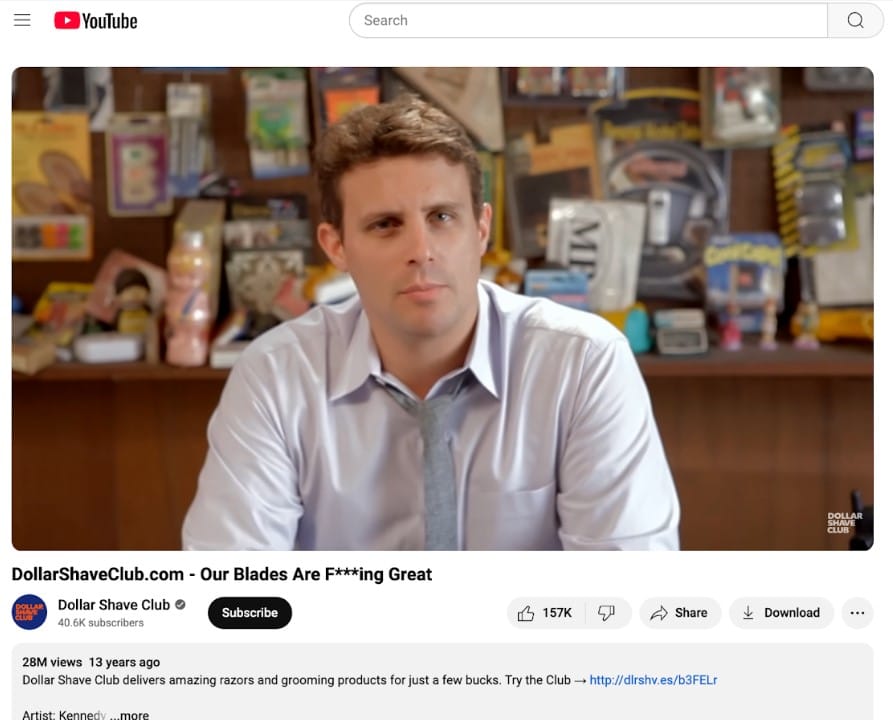
Dollar Shave Club’s “Our Blades Are F*ing Great”
This launch video instantly became an internet sensation by combining humor with product confidence.
It struck the perfect tone for its audience, went viral, and is still considered a textbook example of hero content driving brand awareness with personality and precision.
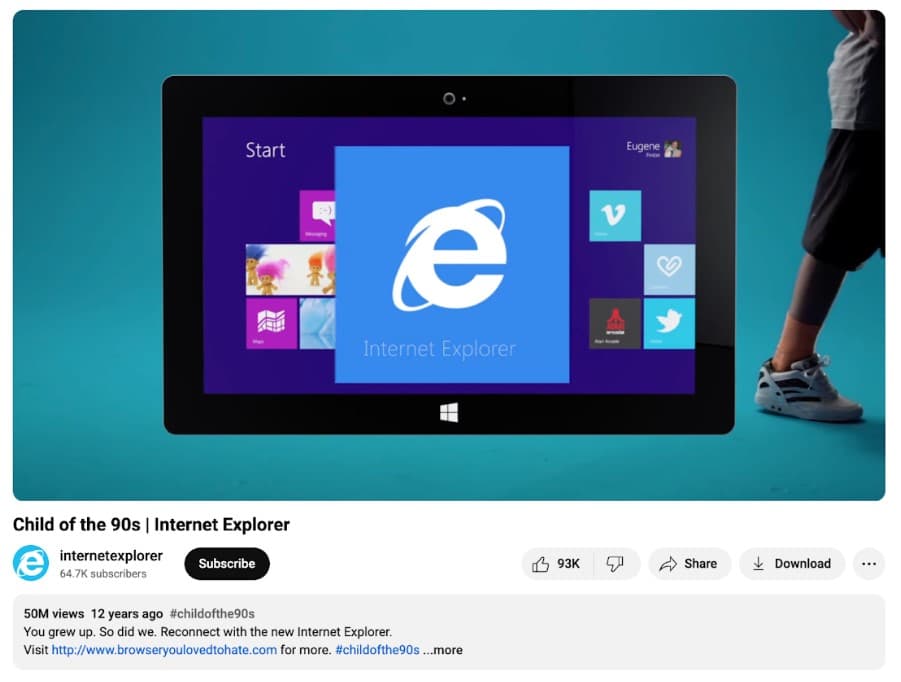
Internet Explorer’s ‘Child of the 90s”
Column Five created a nostalgia-driven video ad, “Child of the 90s,” which tapped into collective memory and identity. The campaign went viral with over 50 million views and won multiple awards, including from AdWeek and the Webby Awards.
Best practices for creating hero content
Hero content works best when it’s grounded in a clear strategy, produced with quality in mind, and supported by a distribution plan. The following tips can help agencies create content that stands out and delivers results.
Start with audience insight
The strongest ideas come from understanding the people you want to reach. Research their interests, challenges, and what motivates them to engage.
For example, Red Bull’s Project Stratos tapped into the universal intrigue of pushing human limits, which resonated far beyond its core audience. Achieving this kind of broad appeal relies on deep audience insight—something social listening can help uncover. It can reveal the topics, trends, and conversations that resonate most.
By mentioning brand mentions, competitor activity, and industry hashtags, agencies can uncover opportunities to align a hero piece with what the audience is already talking about.
Define the campaign objective early
Decide from the start what you want the hero piece to achieve. For example, it could be brand awareness, product promotion, generating lead list, or thought leadership. This shapes everything from the creative direction to how success is measured. Dollar Shave Club’s launch video, for instance, was built entirely to generate awareness and drive first-time subscriptions.
Invest in quality production
High visibility means your hero content will be scrutinized. Strong visuals, polished editing, and professional execution signal credibility. When Microsoft’s Internet Explorer “Child of the 90s” ad went live, the production quality matched the emotional tone, helping it rack up millions of views.
- Plan distribution before launch
An asset’s reach depends on how it’s released. Map out a promotion plan across channels (e.g., social media, PR outreach, influencer partnerships, paid ads) before reproduction wraps. Red Bull ensures Project Stratos would be streamed live, covered by media outlets, and shared on multiple platforms immediately after the jump.
- Design for adaptability
Hero content should keep working long after launch. Design it to allow pieces to be repurposed into shorter video content, images, blog posts, or infographics. This stretches the campaign’s life and ROI, as seen with brands that turn a single flagship video into dozens of social and email assets.
The mentioned approach also applies to ecommerce content marketing, where a single product launch campaign can be repurposed into blogs, social media, and email sequences to maximize visibility and conversions.
Maintain brand consistency
Tone, visuals, and messaging should align with the brand’s identity. To keep your visuals clean and professional, you can remove background from images to maintain consistency across all brand materials. Consistency makes the content more memorable and strengthens brand recognition, especially when viewers encounter it across different channels.
Track performance and learn from it
Monitor engagement, reach, conversion rates, and media coverage. Use these insights to refine distribution in real time and guide future hero content projects. Campaigns like Project Stratos succeeded on launch day and informed Red Bull’s ongoing strategy to content-driven marketing.
Conclusion
In a market where attention is the most valuable currency, agencies need informational web content that can do more than fill a calendar. Hero content has the potential to become the centerpiece of a campaign, turning a single creative idea into a wave of awareness, engagement, and measurable business impact.
When you approach it with a clear purpose, deep audience understanding, and a well-planned rollout, a hero asset can keep working long after the first views or clicks. That means stronger client relationships, new opportunities, and a reputation for work that makes a lasting mark.
Ready to start creating hero content that cuts through the noise and delivers results? Book a demo with Agility PR Solutions and see how the right insights and tools can elevate your next campaign.