Are you planning a major announcement but feeling limited by a single-city press event? A traveling media tour lets you meet journalists where they are, building deeper relationships across multiple markets. This approach works especially well when your story has regional angles or when you need sustained coverage over weeks rather than a single news cycle. Here’s how to plan and execute a multi-city media tour that delivers results.
What is a Traveling Media Tour?
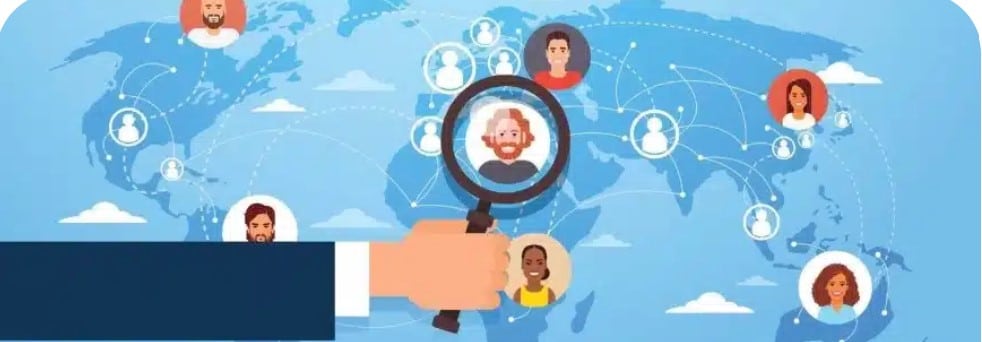
A traveling media tour brings your brand, spokesperson, or product to multiple cities in sequence, typically hitting 2-5 key media markets over several weeks. Unlike virtual press conferences or single-location events, traveling tours create face-to-face opportunities in each market.
These tours make sense when you have a major product launch, access to a high-profile executive, or a story with strong regional relevance. They work particularly well for national campaigns that benefit from local media angles.
The typical structure involves spending 1-2 days in each city, hosting intimate media briefings, one-on-one interviews, or small group sessions. This format allows for deeper conversations than rushed press conferences while demonstrating commitment to building relationships in each market.
1. Define Your Tour Goals and Story Hook
Start by identifying what makes this tour newsworthy. Are you launching a product that solves a regional problem? Sharing research with local implications? Providing exclusive access to an industry expert?
Set specific PR success metrics for each market before you begin. These might include number of interviews secured, anticipated reach, or specific outlet coverage. Clear goals help you evaluate whether each stop delivers value.
Your story hook should be timely and relevant enough to justify bringing media together. Generic company updates don’t warrant multi-city tours. Major announcements, significant research findings, or access to hard-to-reach executives do.
2. Manage Logistics Across Cities
Assign one person to serve as the logistics coordinator for the entire tour. This individual manages venue bookings, equipment shipping, local vendor coordination, and team travel. For teams on extended tours, some agencies are investing in custom office vans that function as mobile command centers traveling between cities. These mobile units help maintain a consistent workspace and reduce reliance on hotel conference rooms.
Ship materials in advance to each venue, accounting for potential delays. Build a checklist of items needed at each stop: branded materials, product demos, AV equipment, signage, and media kits.
Create a master document with emergency contacts, venue addresses, backup plans, and timelines for each city. Share this with your entire team so everyone stays coordinated across time zones and locations.
3. Select Your Target Markets
Choose cities based on media concentration and audience alignment, not just population size. A market with three major outlets deeply connected to your industry beats a larger city with scattered, less relevant coverage, just as a targeted dune buggy Dubai tour attracts the right adventure-seeking audience rather than trying to appeal to everyone at once.
Budget plays a major role in market selection. Factor in venue costs, team travel, shipping materials, and local support. Most effective tours hit 3-4 cities rather than stretching resources across too many stops.
Smart market selection criteria:
- Concentration of target media outlets
- Regional audience importance for your brand
- Local angles or partnerships that add relevance
- Venue availability and cost-effectiveness
- Travel logistics between cities
4. Build Your Tour Timeline
Space cities 3-5 days apart to allow for travel, setup, and team recovery. Cramming stops too close together leads to burnout and logistics failures. Spacing them too far apart can lead to a loss of momentum.
Sequence markets strategically. Starting in a secondary market lets you test messaging before hitting your most important stop. Alternatively, begin with your strongest market to build early momentum and coverage that attracts attention in subsequent cities.
Consider media deadlines and local events. Avoid major holidays, industry conferences, and periods of breaking news when possible. The strategic timing of press releases applies across all media efforts. Tuesday through Thursday typically offer better media availability than Mondays or Fridays.
5. Customize for Each Market
Generic, cookie-cutter events waste the advantage of traveling tours. Research local venues that align with your brand while offering something unique to that city. A tech company might choose innovation hubs specific to each market rather than generic hotel conference rooms.
Partner with local organizations, influencers, or complementary brands when it makes sense. These partnerships add credibility and help with media outreach. Just ensure they enhance rather than complicate your core message.
Incorporate regional elements—local catering, decor touches, or city-specific case studies—while maintaining consistent branding across all stops.
6. Create the Right Experience
Keep events focused and time-efficient. Media professionals have tight schedules. A well-run 90-minute session beats a sprawling three-hour event where journalists check out mentally.
Offer clear transportation details and parking information in advance. Consider providing rideshare codes or arranging shuttles if your venue is difficult to reach.
Event timing best practices:
- Schedule around typical news deadlines (avoid late afternoon for daily reporters)
- Allow 15-minute buffer between interview slots
- Keep group sessions under 60 minutes
- Provide arrival and departure flexibility
7. Invite Strategically by Market
Research the media landscape in each city 4-6 weeks before your stop. Don’t assume the same outlets matter in every market. A technology reporter in San Francisco covers different angles than one in Atlanta.
Customize invitation messaging for each market. Reference local angles, past coverage they’ve written, or regional relevance. Generic blast emails get ignored, especially for regional outlets that receive countless pitches.
Send invitations 3-4 weeks out, with two follow-ups spaced appropriately. Provide easy RSVP options and be responsive to scheduling requests. Top-tier journalists often need one-on-one time rather than group sessions.
8. Offer Real Value
Provide genuine expert access by allowing real subject matter experts to speak, rather than company spokespeople delivering scripted messages. Journalists attend in-person events to ask questions and receive authentic responses. Modern media relations should focus on authenticity and meaningful interaction instead of promotional messaging.
Share your run of show, key topics, and available experts in advance. Transparency about what the event offers helps media decide if it’s worth their time. Surprises might work for consumer events but frustrate professional journalists.
Have relevant data, research, or news to share—not just branded messaging. The best media tours offer journalists something useful for their audience, whether that’s breaking news, exclusive insights, or expert perspectives on industry trends. Successful PR leaders understand that providing substantive value builds long-term credibility.
9. Leverage Social and Digital Coverage
Assign someone to capture photos, quotes, and behind-the-scenes content at each stop. This material fuels social media momentum and shows subsequent markets that the tour is generating genuine interest.
Create location-specific social content that tags local media, venues, and partners. This builds anticipation in upcoming cities while celebrating participation in completed stops.
Share early coverage wins from initial cities when reaching out to media in later markets. Nothing attracts attention like existing press interest. “As covered in [City A Publication]” adds credibility to your subsequent outreach.
10. Follow Up After Each Stop
Send promised materials within 24 hours of each event. Include high-resolution photos, quotes, executive bios, and relevant data. Make it easy for journalists to write their stories quickly.
Track which media attended, what they asked about, and any special requests. Implementing a comprehensive media monitoring system across all tour stops helps you adjust messaging for upcoming cities and informs future relationship building by capturing sentiment and coverage themes as they develop
Post-event follow-up checklist:
- Thank you emails within 24 hours
- All promised assets delivered
- Coverage tracking document updated
- Lessons learned noted for next city
- Relationship notes added to CRM
Common Traveling Tour Mistakes to Avoid
- Treating all markets identically: Each city has different media priorities, audience interests, and competitive landscapes. Generic approaches waste the advantage of being there in person.
- Poor logistics planning: Underestimating shipping times, venue setup needs, or travel between cities creates unnecessary stress and unprofessional experiences.
- No local customization: Flying in with zero local partnerships, references, or regional angles makes media question why you bothered traveling at all.
- Unrealistic coverage expectations: Not every market will deliver the same results. Some cities might generate three feature stories while others yield one brief mention—both can be valuable.
Key Takeaways
Traveling media tours deliver results when executed thoughtfully. Choose markets strategically based on media concentration and audience relevance rather than just population size. Space stops appropriately to maintain quality and team effectiveness.
Customize your approach for each city while maintaining brand consistency. Generic events waste the travel investment. Local partnerships, venues, and messaging show commitment to each market.
Balance ambition with logistics reality. Three well-executed stops beat five rushed, poorly coordinated cities. Set clear success metrics and adjust your approach based on learnings from early markets.
The most successful tours prioritize building relationships over checking boxes. Face-to-face time with regional media creates opportunities that last far beyond your announcement cycle.