

Picture an editor checking their inbox on a busy Tuesday morning. They have exactly twenty minutes to sift through a mountain of fresh pitches. Two emails catch their eye. The first comes from a generic Gmail address linked to a free, clunky subdomain. The second arrives from a clean, branded custom domain.
Before that editor even reads the subject line, one of those pitches has already earned far more credibility.
Many founders and small business owners spend hours agonizing over the perfect hook or media angle, yet they routinely overlook the silent trust signal sent by their web address. Your web address is the very first handshake you offer the media. Securing professional domain names is one of the easiest and most effective ways to show the press you mean business. It forms the foundation of your outreach strategy.

The First Filter Journalists Use: Why Your Domain Name Matters More Than You Think
Journalists and editors process a staggering volume of pitches every single day. To survive this avalanche of information, they apply rapid credibility filters before deciding whether to open most emails. They simply do not have the time to read every word of every pitch to determine if a source is legitimate.
This is where your email address and web address become a proxy for legitimacy. When a reporter sees a pitch from a custom domain, it answers an immediate, subconscious question: does this sender represent a real, established business, or is this a short-term side project using a burner address?
Professional web addresses communicate stability and seriousness at a single glance. They show you have invested in your brand and intend to operate long-term. This initial filter happens in a fraction of a second, long before the journalist considers your story idea, your clever subject line, or your impressive credentials. If you fail this first split-second test, your pitch goes straight to the trash folder. Long-term investment in your online presence extends beyond registering a domain. Website owners should also consider the impact of hosting quality, uptime, security, and site speed on visibility and credibility.
When a Domain Choice Becomes a PR Liability – or a Quiet Asset
The wrong web address can quietly undermine even the strongest story angle. Imagine pitching an exclusive, data-driven report on industry trends, but sending it from an email address that ends in a string of random numbers. The journalist immediately questions the validity of your data because the source itself looks questionable.
PR professionals think deeply about brand consistency across owned media. A weak or generic address introduces unnecessary uncertainty into a journalist’s risk calculus. They have to put their own reputation on the line when they cover a story. If your brand looks risky, covering you becomes a risk for them.
You want to build credibility defensively and plan your media presence well ahead of your outreach. Treating your brand assets thoughtfully is a smarter way to plan for uncertainty and protects you against snap judgments. When your branding looks incredibly polished, your web address acts as a quiet asset, gently pushing the reporter closer to a “yes” without you having to say a word.
The Credibility Your Domain Builds Before You Ever Hit Send
A strong, recognizable address actively supports ongoing media relationship building. When a journalist reads a pitch they like, they rarely reply immediately. Instead, they do a quick background check. The very first thing they will do is type your web address into their browser to see what your website looks like. With x offering more than 400 domain extensions, you can find the perfect one to represent your brand.
They expect to find a clean, professional home that matches the tone of your pitch. If your email comes from a custom address, but the website is under construction or redirects to a confusing third-party site, that hard-earned trust evaporates instantly.
A professional, cohesive online home proves that you are worth a reply. This consistency is crucial for the longer-term work required to build relationships with journalists. Trust in the media industry compounds over repeated touchpoints. When a reporter sees your name pop up in their inbox a month later, they will remember the polished, reliable brand they interacted with the first time.
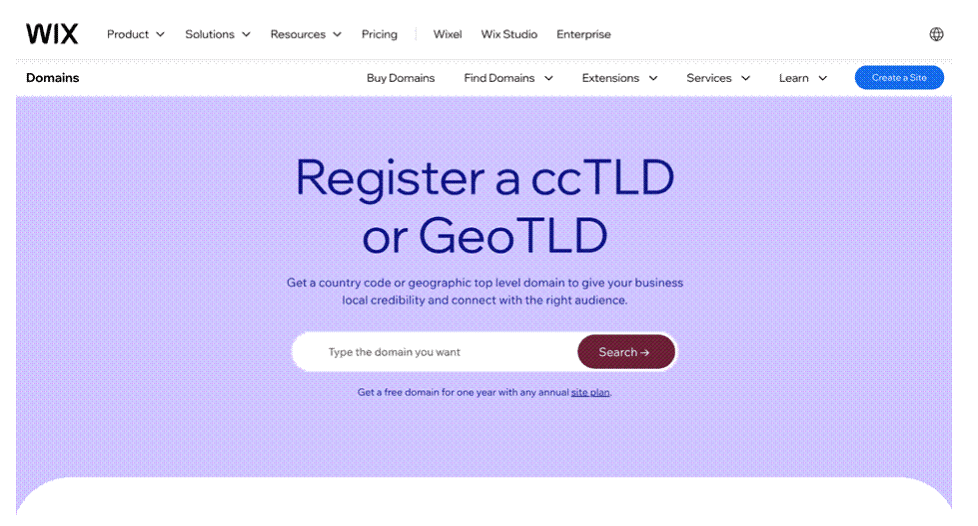
Image Source: https://www.wix.com/domains/tld-list/cctld
What Journalists and Inbox Filters Both Respond To
Every pitch you send actually faces two distinct audiences: the human journalist and the email deliverability algorithm. While you might focus entirely on impressing the reporter, you first have to get past the spam filter.
Spam filters ruthlessly penalize senders who use free or unverified addresses for mass outreach. If you send fifty pitches from a generic account, there is a very high chance most of them will land in the junk folder. A verified, professional address dramatically improves your open rates and reinforces your perceived authority with email providers.
This concept of visual credibility extends far beyond the inbox. Today, media pitches frequently happen in social media direct messages or through quick networking chats. The strong, domain-backed brand identity used by professional social media content creators and digital publicists becomes a vital part of the total package journalists encounter. When your website, your email, and your social handles all share the same recognizable name, you project an undeniable sense of authority across every platform.
Your Domain Name Is the Cover Letter Nobody Told You About
Your web address serves as the absolute first impression of your brand. It arrives before your clever hook, before your press release, and before every other element of your carefully crafted pitch.
Take a moment to audit your current outreach presence. Look closely at the email address you use to send pitches and the website it links to. Do they match? Do they look professional? Treat your web address as a core part of your PR toolkit rather than a simple technical formality.
You have an incredible story to tell, and the media wants to hear it. Give your pitches the absolute best chance of success by ensuring your brand looks as professional as the ideas you are pitching. Register a strong, clear web address today, link it to a professional email account, and start sending those pitches with total confidence.
Frequently Asked Questions
What domain extensions do journalists trust the most?
Journalists generally trust widely recognized extensions like .com, .org, or country-specific ones like .co.uk. While newer extensions like .tech or .io are perfectly acceptable for startups, a classic .com often carries the highest immediate credibility because it feels established and familiar.
Does a mismatch between my sender email and website domain matter?
Yes, a mismatch causes immediate confusion. If you email a reporter from “[email protected]” but pitch a story for “coolbrand.net,” the journalist has to spend extra time figuring out your relationship to the company, which creates unnecessary friction.
How quickly does a new domain build trust?
While simply having a custom address builds instant visual trust over a generic email, domain age also plays a role in email deliverability. A brand new address needs a few weeks of gradual, organic email activity to warm up before you send out large volumes of media pitches.
Does the length of my domain name affect media outreach?
Shorter is always better. A long, complicated name is hard to type, easy to misspell, and looks cluttered in an email header. Choose a concise, memorable name that journalists can quickly recognize and type into their browser without double-checking the spelling.