
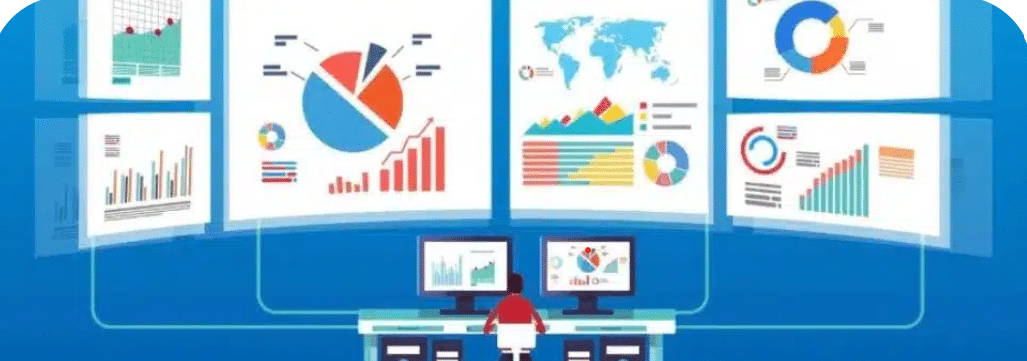
The media landscape has evolved rapidly as digital platforms, social networks, and online publications continue to expand the speed and scale of information sharing. In the past, media monitoring mainly focused on tracking brand mentions across newspapers, television broadcasts, and selected online outlets. While this approach provided basic visibility into media coverage, it offered limited insight into how narratives were forming or how audiences were reacting.
Today, communications teams operate in a far more complex environment where conversations unfold across thousands of digital touchpoints simultaneously. To keep pace with this shift, many organizations are adopting AI-powered media monitoring tools for PR teams that can process large volumes of content in real time. These systems analyze news articles, social media discussions, and emerging trends to transform raw data into actionable intelligence, signaling a broader transition toward data-informed and AI-supported public relations strategies.

The Evolution of Media Monitoring in the Digital Era
Media monitoring has evolved significantly as the communications landscape has shifted from traditional channels to a dynamic digital ecosystem. In earlier decades, organizations depended on manual press clipping services that collected brand mentions from newspapers, magazines, and broadcast segments. These services provided a basic overview of media coverage, but the process was slow, labor-intensive, and limited to a relatively small number of sources. As online publishing expanded, early keyword tracking systems began to replace manual clipping methods. These tools allowed PR teams to scan websites and digital publications for brand mentions more efficiently, marking an important step toward automated monitoring.
However, the rapid growth of digital media channels soon transformed the scale of the challenge. News websites, blogs, podcasts, video platforms, and social media networks began generating an overwhelming amount of content every minute. Social media conversations, in particular, introduced an entirely new layer of complexity, where brand narratives could evolve in real time across millions of posts, comments, and shares. This explosion of digital dialogue turned media monitoring into a large-scale data challenge. Instead of tracking a manageable number of sources, communications teams now face a continuous stream of global conversations. As a result, the modern media environment demands advanced analytical technologies capable of processing vast volumes of information and turning them into meaningful insights.
How AI Transforms Media Monitoring Capabilities
Artificial intelligence has fundamentally changed how media monitoring systems process and interpret information. Traditional monitoring tools were primarily designed to detect keywords and track basic brand mentions across digital platforms. While this method helped organizations identify when their name appeared in the media, it offered limited insight into the context or meaning behind those mentions. Modern AI systems go far beyond simple keyword detection by using advanced analytical techniques to interpret the language and patterns within large volumes of content.
One of the most important technologies behind this transformation is Natural Language Processing (NLP), a branch of Artificial Intelligence that enables machines to understand and analyze human language. Through NLP, monitoring platforms can examine articles, blog posts, and social media conversations to determine sentiment, identify recurring themes, and recognize emerging narratives surrounding a brand or industry. Sentiment analysis allows PR teams to quickly assess whether media coverage is positive, negative, or neutral, while topic clustering groups related discussions together to reveal broader communication trends.
These capabilities shift media monitoring from simple tracking to meaningful interpretation. Instead of manually reviewing thousands of mentions, communications professionals can focus on the insights generated from the data. This analytical approach allows organizations to develop a data-driven PR strategy for modern communications teams, where decisions are guided by measurable trends, audience sentiment, and evolving media narratives rather than guesswork.
From Media Mentions to Strategic Insights
For many years, media monitoring was primarily used to track how often a brand appeared in news coverage. While counting mentions provided a basic indicator of visibility, it offered little understanding of the actual impact of communications efforts. Modern PR teams now approach media monitoring from a more analytical perspective, transforming raw coverage data into meaningful strategic insights that guide decision-making.
One important dimension of this shift is media reach analysis, which evaluates how widely a piece of coverage may influence audiences based on publication circulation, readership, and digital engagement. Alongside reach, share of voice metrics allow organizations to compare their presence in the media against competitors, helping PR teams understand their relative visibility within an industry conversation.
Another valuable insight comes from message penetration, which examines whether key brand messages appear consistently within media coverage. This helps communications teams determine if journalists are accurately reflecting the narratives they aim to communicate. In addition, journalist influence analysis identifies reporters and publications that shape public discussions, allowing PR professionals to focus relationship-building efforts where they matter most.
By combining these analytical perspectives, organizations move beyond simple coverage tracking and begin using media analytics to measure PR campaign performance, turning monitoring data into a practical framework for evaluating communication effectiveness and refining future strategies.
Real-Time Monitoring and Crisis Communication
In today’s fast-paced media environment, crisis situations can escalate within minutes, making timely response a critical factor for protecting brand reputation. Traditional monitoring methods often lag behind, capturing mentions hours after they appear, which can leave organizations reacting too slowly. Modern AI-driven systems enable real-time media monitoring for crisis communication, allowing PR teams to detect and address emerging issues almost immediately.
These platforms are designed to identify sudden spikes in negative sentiment, flag misinformation before it spreads widely, and track evolving narratives across multiple channels. By continuously analyzing digital conversations, organizations gain early warnings about potential risks, enabling them to prioritize responses and allocate resources effectively.
The speed and precision offered by AI monitoring mean that brands no longer have to respond in hours—they can react in minutes. This agility helps contain reputational damage, maintain public trust, and demonstrate accountability. By integrating real-time insights into crisis communication strategies, organizations can manage sensitive situations more proactively and maintain control over how their brand is perceived in the public eye.
Strengthening Brand Reputation Through Media Intelligence
Building and maintaining a strong brand reputation requires more than occasional media check-ins; it demands continuous, informed oversight of how the public perceives a company. Modern PR teams increasingly rely on AI-driven media intelligence to gain a comprehensive understanding of audience sentiment and engagement. By tracking positive and negative sentiment trends over time, organizations can identify potential challenges before they escalate and recognize opportunities to reinforce their brand messaging.
Competitor reputation comparison adds another valuable dimension, helping brands benchmark their performance against industry peers and understand where they stand in the broader market conversation. Regular monitoring of audience perception ensures that communications strategies remain aligned with public expectations and market dynamics.
This data-driven approach highlights exactly how media monitoring improves brand reputation management by converting scattered mentions and social signals into actionable insights. Organizations that integrate consistent media intelligence can proactively shape narratives, protect their reputation, and cultivate trust with both customers and stakeholders, ensuring their brand remains resilient and relevant in an increasingly competitive environment.
Conclusion
The strategic importance of AI in media monitoring is becoming increasingly clear, as organizations seek to turn vast amounts of digital content into actionable intelligence. By integrating data-driven insights into decision-making, PR teams can move beyond reactive responses and develop proactive strategies that anticipate trends, manage sentiment, and strengthen brand positioning. Emerging technologies such as predictive PR analytics promise to further refine this process, enabling teams to forecast media narratives and audience reactions before they fully materialize. As AI continues to advance, communications professionals who adopt these tools will not only respond faster to challenges but also shape the conversation, ensuring their brand maintains credibility, trust, and relevance in an ever-evolving media landscape.