
Reputation risk isn’t abstract. It’s the gut punch that hits when a headline breaks, when a thread goes viral, or when a regulator posts an enforcement action.
In finance, healthcare, tech, and other high-stakes industries, the window between a small spark and a full-blown crisis keeps getting smaller.
Reputation damage happens in minutes. Not days. A single data breach or compliance failure can crater customer retention and bring regulators to your door. The companies that survive are the ones that watch continuously.
Artificial intelligence (AI) isn’t here to replace seasoned communications and risk teams. It watches what humans can’t possibly keep up with. It spots patterns earlier. And it surfaces real risks before they spiral out of control.
This post tackles the use of AI in brand reputation management. Particularly for high-stakes industries like finance and healthcare. Read on to learn how to use this tech to monitor and address potential risks.
Understanding Reputation Risks in High-Stakes Industries
When it comes to business profitability and growth, brand reputation is everything. The last thing you want to happen is to put your name at risk.
Reputation risk is the potential for public perception to swing against an organization. In ways that hurt revenue, invite regulators, or erode long-term trust. For instance, it shows up:
- When product recalls land in national news
- When patient complaints pick up steam
- When a fintech gets called out for lax data handling
In industries:
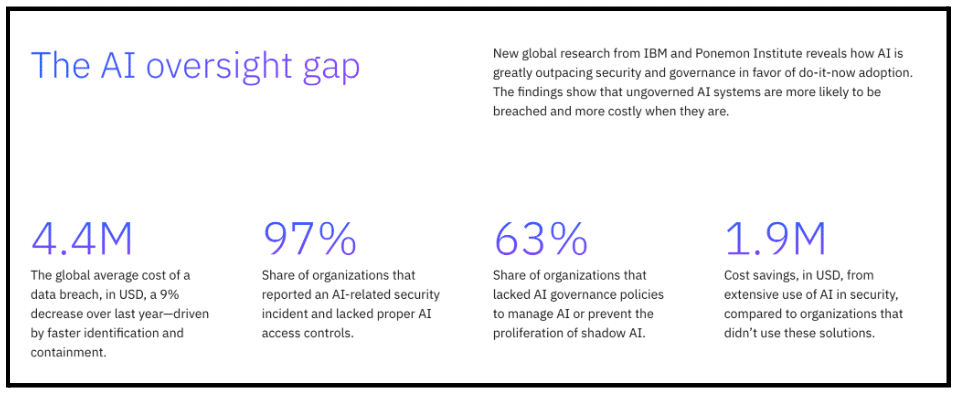
- Finance faces fast-moving narratives about consumer harm, including fraud and cyber exposure. The 2025 IBM Cost of a Data Breach Report found the global average cost of a breach hit $4.45 million. With long-tail effects that can last years for brand perception and loyalty.
- Technology companies live under the microscope for everything from content moderation to AI ethics. When trust drops, so does engagement and growth. Edelman’s long-running Trust Barometer shows how trust drives purchase and advocacy.
- Healthcare navigates delicate issues around patient privacy and safety. Regulators publish settlements publicly, which makes this very real. You can scroll through recent HIPAA enforcement actions.
Ignore reputation risk, and you usually pay twice: first in the immediate dip in sales or stock price, and again in the extra spend needed to rebuild credibility.
For public companies, the SEC’s new cyber disclosure rules raised the stakes by accelerating timelines and increasing transparency expectations. The clock is always ticking.
The Role of AI in Monitoring Reputation Risks
There’s no denying the widespread adoption of AI in the age of algorithms. AI helps teams listen at scale and move from reactive firefighting to real early warning. It shines in three core areas.
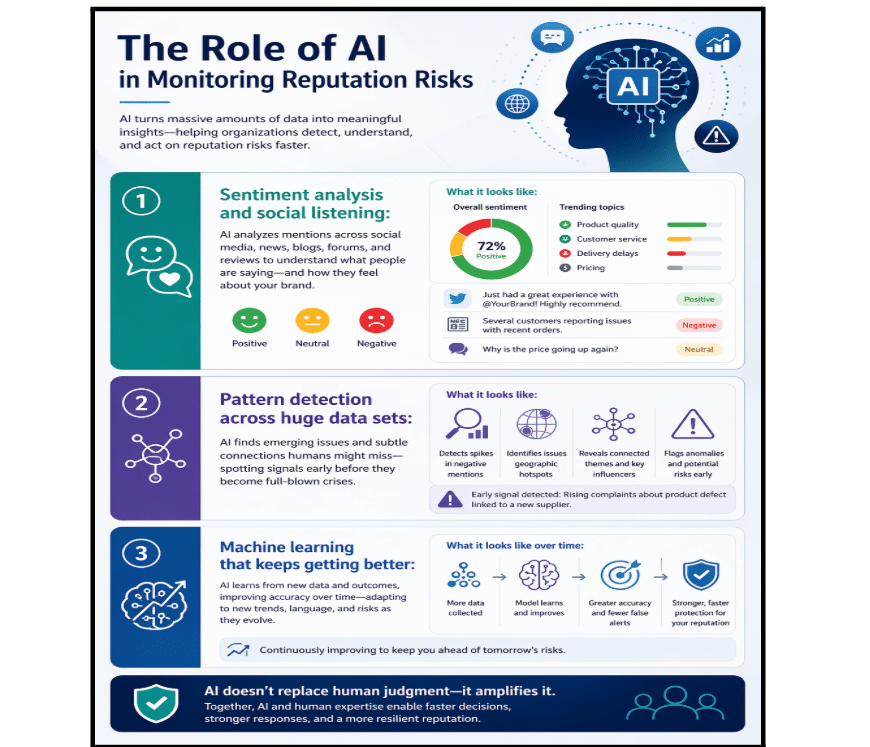
Image source: Generated by the author via ChatGPT
- Sentiment analysis and social listening: Natural language processing (NLP) enables systems to read millions of posts, articles, reviews, and forum discussions. It also helps you score the tone and track shifts by topic, product, service, or region. Modern NLP goes beyond simple positive or negative labels to capture emotion and intensity.
- Pattern detection across huge data sets: AI models can connect data points that would be invisible to a human analyst. Say, a sudden spike in negative sentiment among clinicians in one city. A niche subreddit picking up a complaint theme. Or fast-growing news syndication that signals a story’s about to break wide.
- Machine learning that keeps getting better: Models learn from what you tag as relevant or risky. For instance, systems can identify emerging patterns in public discourse weeks before they escalate into full-blown crises. This early warning capability gives your organization time to respond strategically rather than reactively.
Gavin Yi, CEO & Founder of Yijin Solution, underscores the importance of AI-driven monitoring for staying ahead of rapidly evolving risks in digital environments. “AI gives organizations the ability to detect weak signals long before they become visible problems.”
Yi explains, “In practice, that means identifying subtle shifts in customer sentiment or emerging narratives across platforms. The real advantage isn’t just speed…it’s foresight. Companies that use AI to anticipate risks can act earlier and protect their reputation before issues escalate.”
Key AI tools and technologies for reputation monitoring
There’s no one-size-fits-all platform, but a few categories keep coming up for PR, risk, and comms teams.
- Brandwatch and Talkwalker are well-known social and media intelligence suites with robust NLP and customizable dashboards. Not to mention alerting for spikes, trending topics, and sentiment turns.
- Sprinklr offers enterprise-grade listening and engagement with integrated case management and customer care workflows. This tool is helpful when monitoring feeds directly into response.
- Dataminr specializes in real-time signal detection from public data to spot breaking events early. It’s often used in security and risk contexts that overlap with reputation scenarios.
- Kroll’s Crisp focuses on digital risk protection. It tracks harmful content and brand safety across social, marketplaces, and apps.
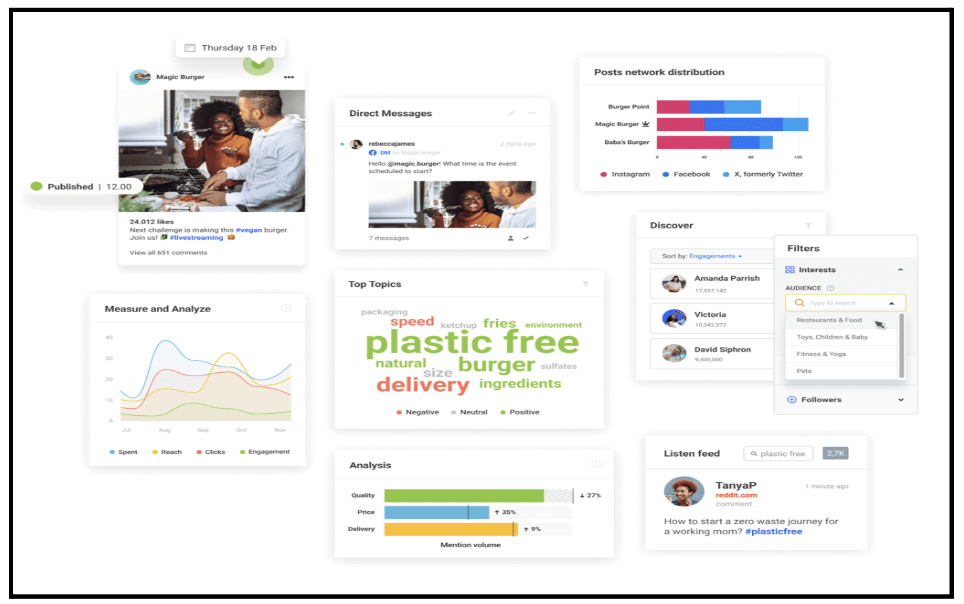
- Agility PR Solutions provides AI-driven media monitoring and social listening across channels. It delivers actionable insights to help strengthen your brand. See below:
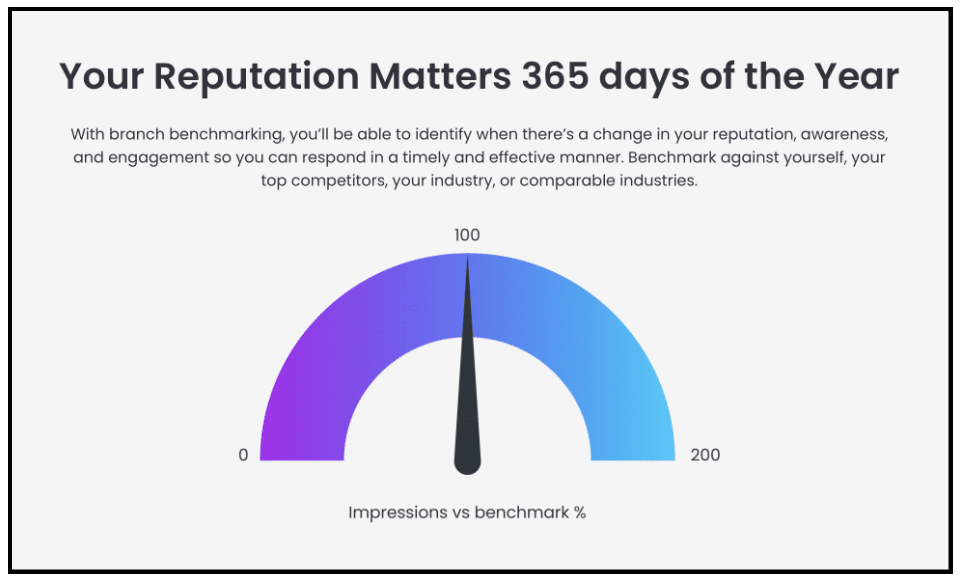
The best systems blend real-time analytics and multilingual sentiment with crisis monitoring and alert thresholds you can actually tune.
Learn from Christopher Skoropada, CEO of Appsvio. He emphasizes the importance of bridging AI insights with real-world execution in fast-moving digital environments.
Skoropada explains, “Today’s AI-driven reputation tools need to do more than monitor. They have to integrate seamlessly into operational workflows. The real value comes from connecting insights to action. Whether that’s triggering internal alerts, informing product teams, or guiding customer response strategies.
He adds, “Scalability and accuracy aren’t optional anymore. They’re baseline requirements.”
A quick rule of thumb:
Pick a core listening and analytics stack you can integrate with your existing workflows. Then add specialized risk detection for account impersonation or harmful content. As your threat profile demands.
Challenges and Limitations of Using AI for Reputation Monitoring
AI isn’t magic. A few challenges deserve attention:
- Data privacy and compliance matter. Especially in healthcare and finance. Teams need strict controls over what data is ingested as well as how it’s stored and processed. Work with legal and privacy early so you don’t have to unwind your setup later.
- Bias and blind spots can creep in. AI systems reflect the data they’re trained on, which can perpetuate biases and blind spots. Organizations must regularly audit their algorithms and maintain human oversight. The goal is to augment human judgment with AI capabilities. Not replacing it entirely.
- Nuance and sarcasm trip up. Even good sentiment models. Sarcasm, slang, colloquialisms, and rapidly shifting terms in technical subcultures still require human analysts and community managers. This is to avoid tone-deaf responses.
Wade O’Shea, Founder of BusCharter.com.au, highlights the operational challenge of turning AI signals into meaningful action. “One of the biggest challenges with AI monitoring is separating what matters from what doesn’t.
O’Shea says, “You can have thousands of alerts. But without proper filtering and context, teams end up overwhelmed instead of informed. The key is tuning systems to focus on real business impact. So, you’re not just reacting faster, but reacting smarter.”
Signal vs. noise can overwhelm teams. Real-time alerting is great until it pings you every five minutes. Teams need to tune thresholds and suppress duplicates. They align alerts to true business risk.
Hybrid monitoring works best: AI for volume and speed, humans for judgment. Add regular model audits and multilingual testing. Not to mention clear escalation paths that connect listening to action. Document your playbooks and rehearse them. Just like you do with crisis plans.
The Future of AI in Reputation Risk Management
Companies and organizations are leveraging AI for branding. In fact, its worldwide market is projected to grow from $2.64 billion in 2024 to $7.9 billion by 2034. At a 11.60% compound annual growth rate (CAGR).
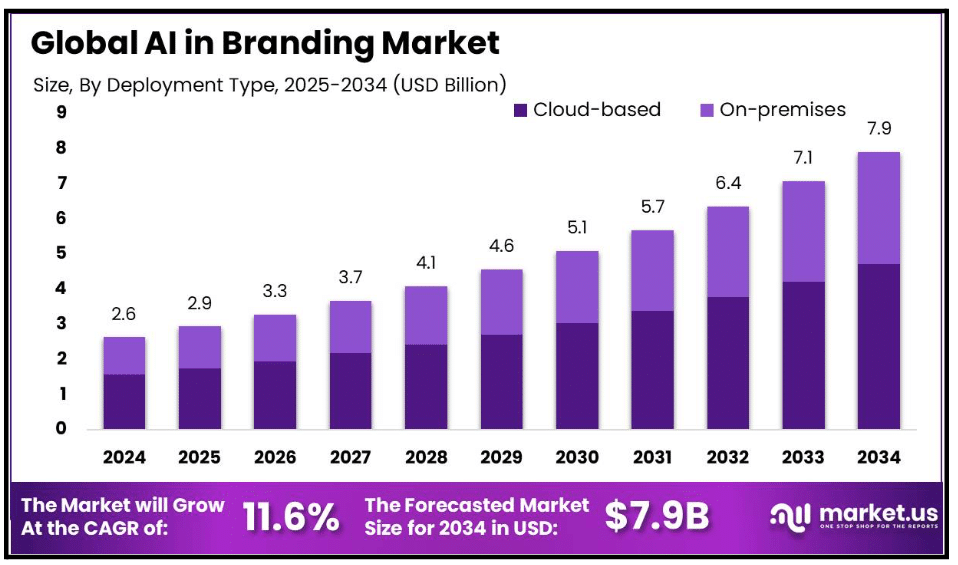
AI is moving from standalone dashboards to connected ecosystems. That’s why it’s best to implement AI-powered PR to strengthen your brand reputation.
Take it from Ryan Beattie, Director of Business Development at UK SARMs. He points to the growing need for integrated, real-time systems that connect insight with execution. “We’re moving toward integrated AI ecosystems that connect reputation monitoring with automated response systems and stakeholder engagement platforms.
Beattie notes, “Future systems won’t just flag risks. They’ll help orchestrate multi-channel responses in real time. The organizations investing in these capabilities now will be better positioned to protect and grow their reputation in fast-moving markets.”
He shares emerging AI trends for reputation risk management:
- Multimodal analysis: This is gaining ground, combining text, images, and video signals. So, you can catch brand misuse in visuals as well as in words.
- Knowledge graphs: They map influencers, communities, narratives. So teams can see how a story spreads and who shapes it.
- Generative AI copilots: They draft holding statements, FAQs, or internal briefings. With human editors keeping tone and accuracy on track.
- Deeper integration: With ticketing, customer care, and engineering systems, root-cause fixes move in parallel with external comms.
The payoff is speed with judgment. Fast detection. Smart triage. And responses that address the substance. Not just the optics.
Final Words
Reputation risk is now a real-time game. AI gives teams the reach and early warning they need to play it well.
The strongest programs blend monitoring depth with human discernment. They pair alerts with root-cause fixes. They measure impact in clear business terms.
If you work in finance or healthcare, now’s the time to map your risks. Now’s the time to pick the right-sized toolset. Now’s the time to stand up a hybrid human-AI workflow.
Start with a pilot. Tune your thresholds. And build muscle memory before a high-pressure moment hits. Catch issues earlier, respond smarter, keep hard-won trust intact.
If you need help with brand reputation management, consider leveraging Agility PR Solutions’ AI-powered platform. Book a demo today to speak with an expert!