
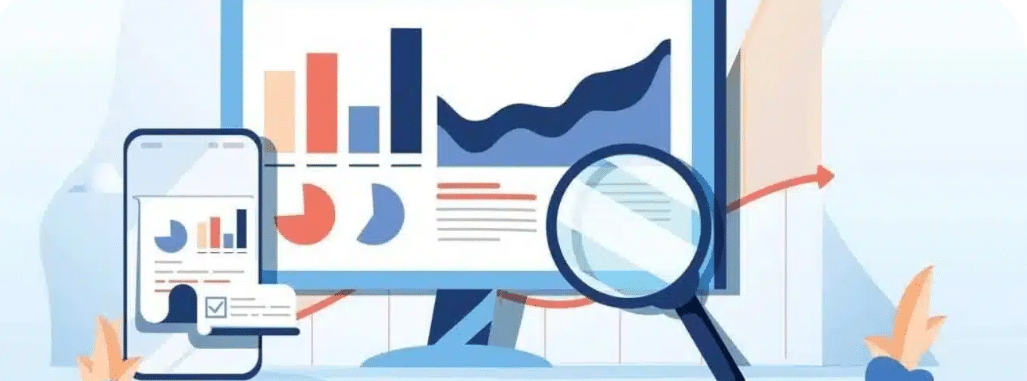
Data has become one of the most valuable resources for modern businesses. From understanding customer behavior to predicting purchase patterns, organizations increasingly rely on data analytics to design marketing campaigns that reach the right audience at the right time. With rising competition across every digital platform, the ability to deliver targeted communication is essential for increasing conversions, lowering acquisition costs, and strengthening customer relationships.
Today, marketing is no longer about sending a one-size-fits-all message. Instead, it revolves around insights that reveal what customers want, how they behave, and what motivates them to act. This shift has made data analytics one of the most powerful drivers of marketing success.
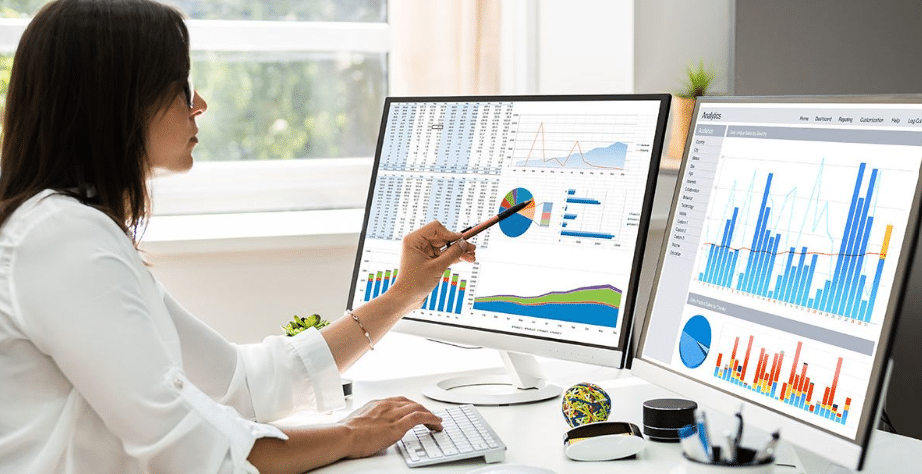
Why Data Analytics Matters in Modern Marketing
Marketers once depended on intuition, basic demographics, and broad customer segments. This approach delivered mixed results since it lacked real evidence about the audience. Data analytics changed the landscape by offering accurate information that can be used to optimize campaigns before spending large amounts on advertising.
Businesses now collect data from a wide range of sources. These include website interactions, social media activity, CRM systems, marketing planning software, loyalty programs, mobile apps, surveys and customer service engagements. When teams analyze this information, they gain a deeper understanding of how people discover products, what content they respond to, and which offers are most likely to influence purchasing decisions.
This insight driven approach helps companies build campaigns that are more focused, relevant and effective. It also reduces marketing waste because resources are spent reaching audiences that are most likely to convert.
Understanding Customer Segments More Precisely
Every customer is unique, but patterns do exist when data is analyzed at scale. Businesses now use data analytics to identify behavior based segments rather than relying only on age or location.
For example, marketers can create segments such as:
- Users who frequently browse but rarely purchase
- Customers who complete transactions only during sales
- High value buyers who respond well to email campaigns
- Visitors who abandon carts after viewing shipping costs
Once these segments are identified, marketing teams can tailor their communication. They can send personalized emails, display custom website messages, and design promotions that appeal to each group. This level of precision was nearly impossible without advanced analytics tools.
Predicting Customer Behavior and Future Trends
Predictive analytics uses historical data to anticipate future actions. This helps organizations reach customers before they even start searching for specific products or services.
Retail brands can forecast seasonal demand and plan inventory more efficiently. Service based businesses can estimate when clients are likely to renew, upgrade or cancel. Streaming platforms predict what content users will enjoy next. Fitness apps recommend personalized routines based on past performance.
In marketing, predictive analytics helps teams determine the ideal time to run ads, launch email campaigns or release new offers. By anticipating customer needs, businesses stay ahead of competitors and deliver communication that feels relevant.
Improving Personalization at Scale
Consumers expect brands to understand their habits and preferences. When personalization is done well, customers feel valued and are more likely to engage with marketing messages. Data Analytics enables businesses to automate personalized journeys for thousands of users at once.
Data analytics enables businesses to automate personalized journeys for thousands of users at once. Data analytics enables businesses to automate personalized customer journeys at once. For instance, CRM platforms like Salesforce allow companies to track customer interactions, manage leads and build automated workflows that adapt to user behavior. Many organizations choose to hire Salesforce developer talent so they can customize dashboards, integrate marketing tools and optimize data flow across departments. This ensures that every touchpoint, from email to social ads, is backed by accurate and real time insights.
Personalization is no longer a luxury. It is a key factor that increases click through rates, boosts sales and improves long term loyalty.
Optimizing Campaigns in Real Time
Traditional marketing campaigns often relied on post campaign analysis. By the time results were reviewed, budgets were already spent and opportunities were missed.
Real time analytics has transformed this process. Marketers can now view performance dashboards instantly and adjust their strategies as needed. If an advertisement is not performing well, teams can change the creative or shift the budget to a better performing channel. If email open rates drop, subject lines or send times can be optimized within minutes.
This agility helps businesses maximize ROI and minimize campaign failures.
Enhancing Customer Experience Across All Touchpoints
Targeted campaigns are not only about acquiring new customers. They play a significant role in nurturing existing relationships. Data analytics highlights friction points in the customer journey and identifies where users drop off or lose interest.
For example:
- Heatmaps show how visitors navigate a website
- Sentiment analysis reveals how customers feel about a brand on social media
- CRM insights identify service issues that lower satisfaction
By understanding these patterns, businesses can improve communication, refine messaging and create smoother user experiences. Stronger experiences lead to better retention, higher lifetime value and increased brand advocacy.
The Future of Targeted Campaigns with AI and Automation
Artificial intelligence continues to push the boundaries of what marketers can achieve with data. Machine learning algorithms constantly refine predictions as more data flows in. Many companies now prefer to hire machine learning engineers to build custom models that improve targeting accuracy and automate decision-making. Automated systems can recommend the best time to post content, the type of message that resonates with each segment and the channels where customers are most active.
As AI tools become more accessible, businesses of all sizes will be able to run highly targeted campaigns. The combination of human creativity and data driven technology will shape the next generation of marketing.
Final Thoughts
Data analytics has become essential for designing targeted campaigns that resonate with modern consumers. Businesses use data to understand their audience, predict behavior, personalize communication and optimize performance in real time. As competition grows, companies that embrace data driven marketing will have a stronger advantage in attracting and retaining customers.
Whether a brand is just beginning its digital journey or refining an established strategy, the ability to analyze and act on data will determine long term success.