
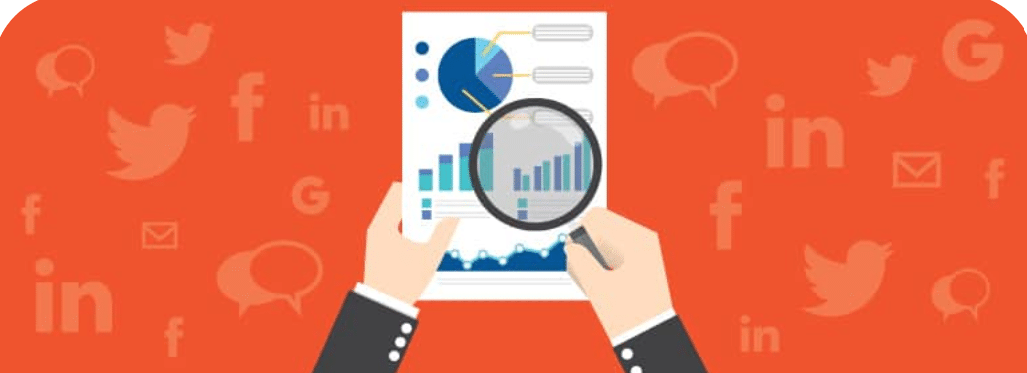
Many companies don’t really know what people are actually saying about them.
They might look at their Google ratings once a month. But that only shows the surface of the full picture. Every day, people are posting reviews and writing blog opinions. They are sharing news articles and venting on forums. All of this shapes how the world views your brand. That is where media analysis steps in. In 2026, it is no longer a “nice to have” for big corporations. It is the pulse check every business needs to survive in a conversation-driven world.
What Is Media Analysis Really?
Strip away the jargon, media analysis is simply the practice of tracking and making sense of what is being said about your brand. It covers news outlets and social media. It covers blogs, podcasts, and forums.
Think of it as having thousands of ears on the ground at all times. It includes everything from a single tweet on your product to a widely shared article about your CEO. The objective is to understand the reasons behind people’s emotions. It also involves knowing the impact of that emotion on your business plan.
Why Public Perception Is Your Most Underrated Business Asset
Your brand is not what you say it is. It is what your audience believes it is.
A company can spend millions crafting the perfect brand identity. However, people will believe it if actual consumers complain that the product is too expensive or that reaching the support staff is difficult. And fewer than half of those same customers believe businesses genuinely provide good support. Media analysis exists precisely in that gap, which is why it is so important.
How Media Analysis Actually Works
Modern media analysis is done by AI and natural language processing. Here is what the process looks like in practice.
- Data Collection Tools scan the web continuously. They pull in every mention of your brand and your competitors across news sites and social platforms. Some platforms monitor over 100 million sources in real time.
- Trend Identification Media analysis tracks patterns over time instead of looking at single data points. Is negative sentiment about your product growing week over week? Did a spike in mentions happen right after a competitor’s announcement? These trends tell stories that individual mentions cannot.
- Competitive Benchmarking: What are people saying about your competitors? How does their public perception compare to yours? Media analysis gives you that context so you understand the landscape you are operating in.
- Reporting and Action: All of that data gets distilled into reports your team can actually use. The marketing department can adjust a campaign. The product team can address a recurring complaint. The PR team can prepare a response before a small issue becomes a crisis.
The Real Ways Companies Use Media Analysis
Here is how smart companies are putting this to work right now.
Catching Crises Before They Explode
This is arguably the most valuable use case. It is frequently too late for a flawless reaction by the time a negative report becomes widely known. An early warning system is provided by media analysis. Long before they make national headlines, it detects unfavorable signals in comment sections and specialized forums. Early warning does not just mean damage control. It means companies can respond thoughtfully rather than reactively. That is the difference between a crisis resolved and a PR disaster that follows a brand for years.
Improving Products Based on Real Feedback
Forget quarterly surveys. Media analysis gives you a constant flow of what real customers think about your product. If reviewers on different platforms keep mentioning the same issue with your checkout process, that is something you should fix quickly.
Tracking Competitor Reputation
You cannot fully understand your own position without knowing where competitors stand. Media analysis lets companies monitor rival brands just as closely as their own. You can spot when a competitor faces backlash and identify gaps in the market.
Measuring Whether Your PR Actually Worked
One of the oldest problems in communications is proving that a campaign made a difference. Media analysis finally solves this. You can track how sentiment shifted before and after a press release. You can also see how a product launch rippled across media channels.
The AI Shift: Why Media Analysis Is Smarter Than Ever
The media analysis tools of five years ago look primitive compared to what is available now. Modern tools detect subtle emotional categories like joy, frustration, and disappointment. They understand context across languages and dialects. They can even analyze images associated with your brand. They can also track how your brand is being described in AI-generated search answers, which is a completely new frontier.
The Blind Spot You Cannot Afford
Companies that are not doing media analysis are operating with significant blind spots. They do not know what is brewing before it boils over. These organizations select their products through instinctive decisions instead of analyzing public information that exists in the market. The present situation demands businesses to navigate through major risks because social media posts can spread quickly to create brand perceptions that affect millions of users within a brief period. Every one of those mentions is a data point. Every data point is a clue about how your audience perceives you. Media analysis is the discipline of reading those clues before they write your story for you.
Final Thoughts
Public perception is not something that happens to your company. It is something you can understand and actively shape if you are paying attention. Media analysis gives companies the ability to hear what people are actually saying. It closes the gap between intention and reality. It turns noise into a signal. It turns that signal into the kind of insight that actually changes how decisions get made.