

Optimizing multiple digital touchpoints as a PR team is crucial to increasing the reach of brand campaigns.
Taking advantage of social media, website content, and email campaigns is the key to building trust and reinforcing a consistent brand message.
If target leads are constantly seeing your brand pop up, this instantly builds trust and raises your chances of engagement. Multi-touchpoint PR efforts can proactively shape narratives, nurture relationships, and build stranger credibility, all elements that make up a powerful PR campaign.
With this in mind, let’s dive headfirst into some of the benefits of optimising multiple touch points as we reveal four digital spaces you may have forgotten to cover in 2025.
The Benefits of Optimising Multiple Touchpoints
Optimising multiple touch points is a game-changer for modern-day PR pros.
Here are some of the key benefits associated with maximising your digital touchpoint use:
- Amplified Reach: Digital channels are always active and are immediately visible to a diverse, global audience. Moving away from a press release you read in a local print publication and promoting your campaign in a social space is key to driving more engagement for your brand.
- Relationship Building: Optimising multiple digital touchpoints makes it much easier to build relationships with target audiences. With the ability to reply to comments, follow-up emails, and offer your leads real-time campaign updates, you immediately build trust and credibility with customers, media, and other stakeholders over time.
- Hyper-Personalised Targeting: Each touchpoint you leverage allows for a new type of brand messaging. Depending on which touchpoint customers interact with, you can provide tailored messaging at the right moment in their journey, fostering more meaningful interactions.
- Narrative Control: If you have multiple touchpoints, you can proactively shape the narrative around your online brand. If you appear in an online search, on social platforms like TikTok, and in a subscriber’s inbox, you can create a cohesive and consistent brand experience. This reinforces the core message and prevents a fragmented brand identity, building a stronger overall impression.
90% of surveyed professionals view online/digital platforms as the ideal way to pitch a PR campaign in 2025, making your digital touchpoints more critical than ever before.
4 Digital Touchpoints You Must Optimise before 2026
Most digital PR pros will have already made traction for their brand in online social spaces, website content, and within the inbox.
However, have you considered the multiple touchpoints within these large targeting spaces?
Digital PR is no longer as simple as creating an Instagram account or sending a monthly newsletter. There are now multiple hidden touchpoints within these digital platforms just waiting to be used by PR teams.
Here are four touchpoints you may have missed, along with a guide on how to leverage them in 2026.
Touchpoint-Specific Email Sequences
Email marketing is still a must for PR pros. Many get started using free email marketing services, which often include tools for basic automation and audience segmentation. However, sending generic welcome emails will only get you so far as a PR team. Instead, why not customise your welcome sequence based on referral source (LinkedIn, a PR event, a press feature, etc.)?
By tagging users at their point of entry, you can quickly personalise your email strategy based on multiple digital touchpoints.
From subject lines to the email body, you can use this opportunity to align your tone and visuals with a consumer’s individual journey.
For example, if you’re a beauty brand, you may receive newsletter signups from numerous sources, including an Instagram bio link to a Forbes feature on your CEO.
Both audiences are likely craving different tones of messaging from your brand. To address this, use this touchpoint tag to send two variations of your welcome series:
- The Instagram group gets a visually rich email with product recs and user-generated content.
- The Forbes readers receive a founder-led narrative email with links to press kits, founder interviews, and future investment news.
By simply optimising the tone of your content, you can achieve higher open rates, with 39% of PR pros seeing improvement.
The Southbank Centre does this well, tagging the consumers who sign up to their newsletter using on-site WIFI.

(Image Source: Smart Insights)
Knowing these customers are in the building, they include links to what’s on, things to do, and their shop, helping the reader engage more immediately.
The Thank-You Page as a Second Conversion Opportunity
While you may pour as much as possible into your pre-click experiences, have you thought about what happens after a lead takes action?
Whether they have downloaded a guide, signed up for a webinar, or filled out a press inquiry form, the following ‘Thank You’ page doesn’t have to be a dead end.
Did you know that you can turn thank-you pages into secondary conversion touchpoints?
Simply include a personalised CTA that encourages a lead to engage further or explore more of your content.
For example, if a lead has just completed signing up for a download, offer them a chance to check out your latest media kit or product line while waiting for the download to appear.
This is an excellent opportunity to embed video content or sneak peeks for that extra shot at engagement.

(Image Source: Adonis)
Adonis, for instance, confirms receipt of a lead’s on-site query before rerouting them to curated recommended articles to encourage more engagement with related content.
The Social Bio CTA Funnel
There are plenty of ways to use your social media profiles as a conversion funnel. While creating consistent content is crucial, other elements of a social profile are often left untouched.
One of these is the link-in-bio function. It’s often the only clickable link on platforms like Instagram and TikTok, and can be used to build out campaign-specific hubs.
In a mobile-first PR world, offering consumers the ability to easily access event registrations, brand downloads, or even product line drops via a single, mobile-first link is key to increasing engagement in the digital landscape.
The key here is to streamline your access to campaign-specific actions: think sign-ups, product drops, or press kits.
With plenty of link-in-bio tools on the market, you can create bio link trees that allow for multiple link touch points to be included in the bio that integrate with e-commerce features, campaign customisations, and more to encourage users to convert.
Better still, you can track this digital touchpoint just like you would any online link to learn which links users engage with most.
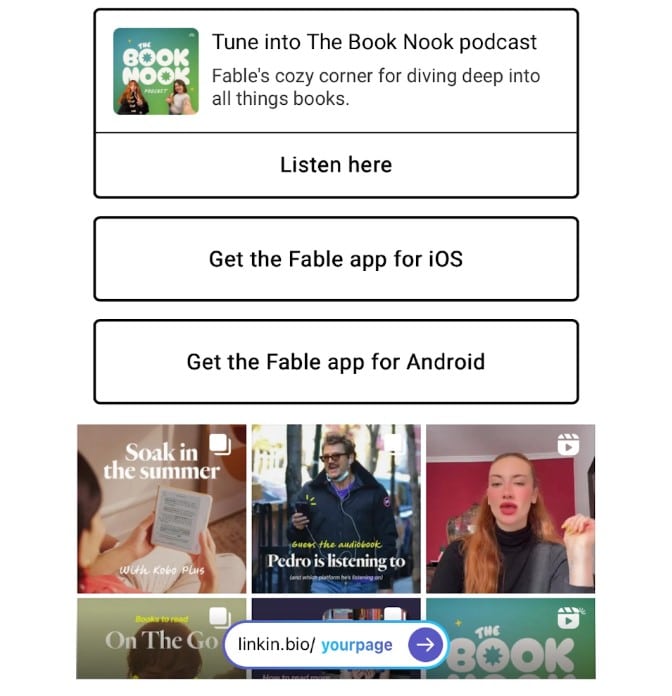
Fabel is an excellent brand example to mention here, using their link-in-bio feature to highlight their most important links as clickable images.
(Image Source: Fable)
This makes it even easier for leads to interact with social posts directly from their link-in-bio.
Think of the link-in-bio feature as a micro-landing page. This is a brilliant opportunity to prompt users to take action when interacting with a social media touchpoint.
Optimising for AI Search
Last but not least, one of the newest digital touchpoints to add to your list is AI search. As search engines like Google and Bing introduce AI search features, visibility has shifted from getting to the top of SERPs to appearing in an AI overview for your industry.

The way brands appear in an AI search is critical for PR professionals. This could be your chance to gain coverage on industry topics as a thought leader and draw attention to your campaign.
The key here is to prioritise relevance over quality when creating content. AI algorithms favour brands that cater to search intent, rather than content optimised for high-volume buzzwords.
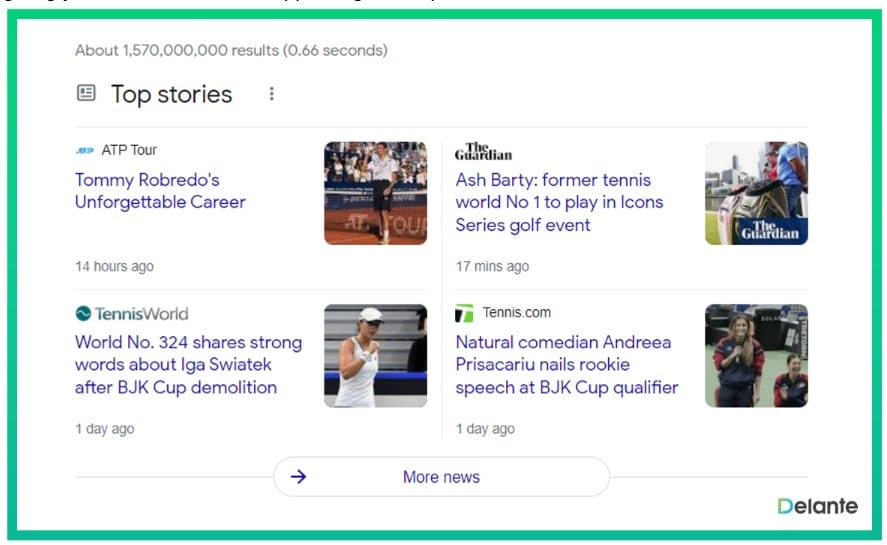
Try adding structured data (schema.org) to News, Press, and Blog sections of your website. This will help AI-powered search engines index your press releases or PR stories correctly, giving you a better chance of appearing in a ‘top stories’ section.
(Image Source: Netpeak Software)
Better still, try to include an FAQ schema in long-form blog posts to increase the chance of gaining coverage in a featured snippet or an AI overview of a brand-specific topic.
Schema may seem technical, but it’s one of the most cost-effective ways to boost visibility of your PR wins in organic search.
Wrapping Up
Optimising as many digital touchpoints as possible is the key to driving more online engagement in 2026.
PR pros are constantly being thrown in new directions when it comes to capturing leads. If you want to succeed, you must stay ahead of the digital curve.
This means leveraging new touchpoints early and staying in tune with your audience on every platform.