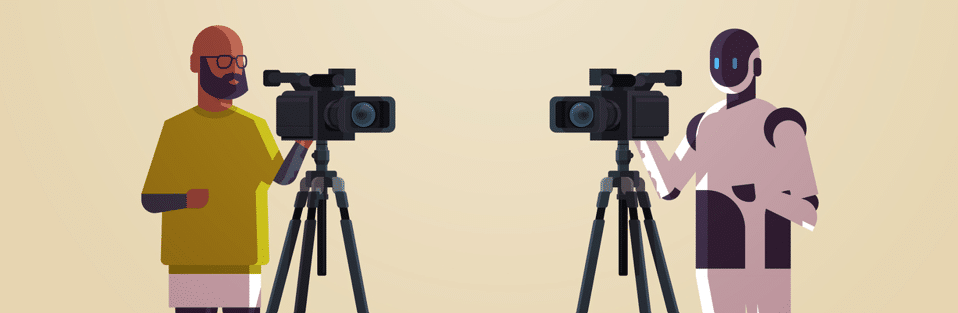
Content creators, broadcasters, and businesses face a critical decision when scaling globally: should you invest in AI dubbing, AI video translation, or both? Understanding the differences between these technologies is essential for making the right choice for your specific needs.
This guide breaks down the key differences, costs, and use cases to help you determine which solution delivers the best ROI for your video content strategy in 2026.
Key Takeaways
- AI dubbing creates a more immersive viewing experience because the audio matches the original performance and feels natural to audiences. This approach costs more and takes longer but delivers superior results for entertainment and marketing content.
- AI video translation offers faster turnaround times and lower costs because subtitles and captions require minimal post-production work. This approach works exceptionally well for educational content, business videos, and situations where quick global distribution matters more than polished production.
- Your target audience’s regional preferences should heavily influence your decision because some markets prefer dubbed content while others prefer subtitles. Understanding whether your viewers speak English, prefer reading subtitles, or expect fully localized audio is essential for making the right choice.
- Synthesia has revolutionized AI video translation by offering comprehensive solutions that combine video generation, voice cloning, and automatic translation. The platform enables creators to reach 160+ languages quickly without hiring voice talent or managing complex production workflows.
- Many successful creators now use both technologies strategically, dubbing premium content while translating high-volume productions to optimize costs and reach. This hybrid approach maximizes audience engagement across different regions while maintaining quality standards and managing production budgets effectively.
What is AI Dubbing?
AI dubbing replaces the original audio in your video with a dubbed version in a different language.
The video remains unchanged while professional voice talent or AI-generated voices deliver the script in the target language.
AI dubbing works by analyzing the original script, translating it, and then matching the new audio to the video’s lip movements and timing.
This creates a seamless viewing experience where the audio feels natural and synchronized with on-screen action.
What is AI Video Translation?
AI video translation goes beyond audio and handles the entire video content, including subtitles, captions, and sometimes audio.
The original video remains intact while translated text appears at the bottom of the screen.
Video translation can include optional voice-over or dubbed audio in addition to subtitles, making it more flexible than traditional subtitles alone.
This approach preserves the original performance while making content accessible to international audiences.
Key Difference #1: Audience Preferences Vary by Region
Some regions strongly prefer dubbed content because viewers want to enjoy video without reading subtitles.
Other markets, particularly in Europe and parts of Asia, prefer subtitles and find dubbed content jarring or inauthentic.
Understanding your target audience’s language preferences is crucial for choosing between dubbing and translation.
A YouTube creator targeting Spanish audiences might need dubbing, while a corporate trainer reaching global teams might prefer subtitles with optional audio.
Key Difference #2: Cost Implications Vary Dramatically
AI dubbing typically costs more upfront because it requires voice talent (either human professionals or high-quality AI voice cloning) and lip-sync synchronization.
Cost varies based on video length, language pairs, and whether you use professional voice actors or AI-generated voices.
AI video translation is often cheaper because it primarily focuses on creating accurate subtitles or captions.
The cost scales differently, making it more economical for teams with limited budgets who need quick turnaround times.
Key Difference #3: Production Timeline Differs Significantly
AI dubbing takes longer because audio must be recorded, synchronized with video, and reviewed for quality.
The process involves voice talent recording sessions, audio editing, and lip-sync verification across all target languages.
AI video translation can be completed faster because subtitles can be generated automatically with minimal post-production review.
For creators needing content in multiple languages within days rather than weeks, translation offers a significant speed advantage.
The Quality vs. Speed Trade-off
Dubbed content generally feels more polished and professional because voice talent brings emotion, timing, and cultural nuance to their performance.
However, this quality comes with longer timelines and higher costs that not all creators can justify.
Translated content with subtitles can feel less immersive but reaches audiences quickly and costs less overall.
The quality depends heavily on translation accuracy, subtitle readability, and whether professional reviewers catch errors before publication.
When You Need AI Dubbing vs Translation
Entertainment content, commercials, and marketing campaigns benefit from dubbing because viewers want seamless audio that matches emotional delivery and brand voice.
Celebrity chefs like Jamie Oliver have used AI dubbing through platforms like Papercup to reach global audiences while maintaining authenticity.
Corporate training, product explainers, and news content work better with translation because accuracy and quick turnaround matter more than polished delivery.
YouTube creators focused on growth and educators also achieve better results with translation because it’s faster and cheaper than professional dubbing.
Introducing Synthesia: The Video Translation Leader
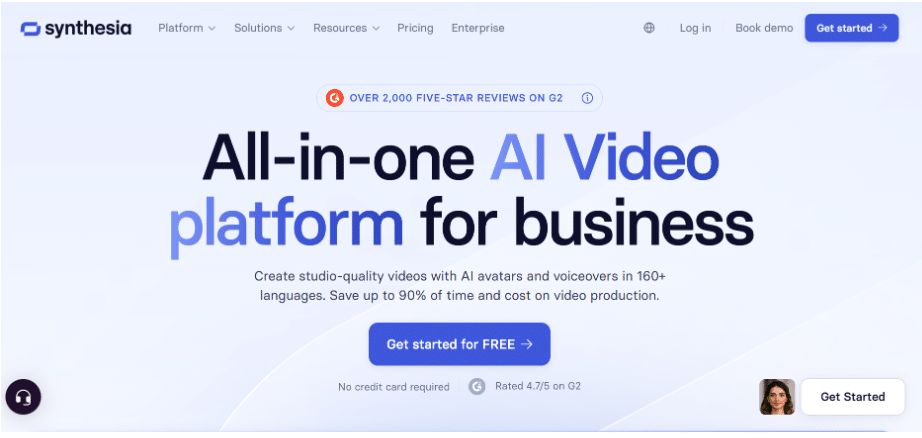
Synthesia offers an AI Video Translator that turns a single uploaded video into production-ready, dubbed versions in 140+ languages, preserving each speaker’s own voice with natural lip-sync.
The platform has emerged as the industry standard for AI video translation, offering comprehensive solutions for creators and enterprises looking to scale content globally.
The platform combines AI video generation with automatic translation into 140+ languages, making international distribution faster and more affordable than traditional dubbing.
The platform serves over 1 million users and has generated more than 20 million videos, with enterprise clients including major broadcasters and content creators.
Synthesia integrates directly into existing workflows, allowing teams to translate videos into multiple languages without re-recording or hiring voice talent.
How to Choose Between Dubbing and Translation
Your content type should be the primary factor in your decision because entertainment content benefits from dubbing while educational and business content works well with translation.
Your target audience’s regional preferences also matter significantly because some markets prefer dubbed content while others prefer subtitles.
Your budget constraints are critical because dubbing costs more upfront but may deliver better ROI for premium content.
Your timeline requirements should influence your decision because dubbing takes longer while translation can be completed quickly for rapid global distribution.
Hybrid Approach: Why Many Creators Use Both
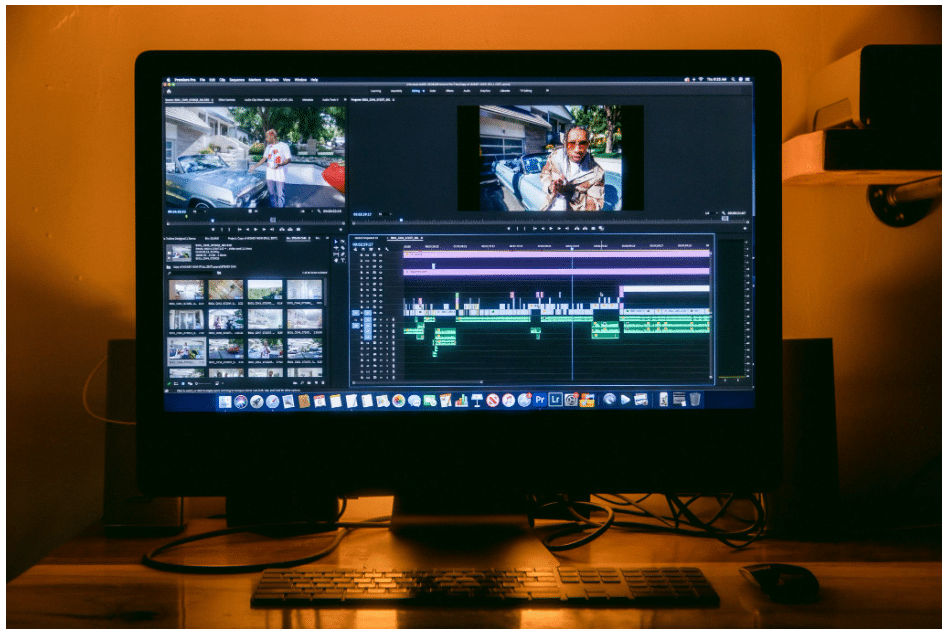
Forward-thinking creators increasingly adopt both technologies to maximize reach and maintain quality across different content types.
A company might use dubbing for customer-facing commercials while using translation for internal training videos.
This hybrid strategy allows you to meet audience preferences in different regions while controlling costs by using translation for high-volume content and dubbing for premium productions.
Netflix, YouTube creators, and streaming platforms are increasingly using both technologies simultaneously to serve global audiences effectively.
Conclusion
The choice between AI dubbing and AI video translation depends on your specific needs, budget, timeline, and audience preferences.
Entertainment and marketing teams typically benefit from dubbing, while educational and business creators find translation more cost-effective and practical.
In 2026, the most successful global content strategies use both technologies in combination, leveraging platforms like Synthesia to translate high-volume content while investing in professional dubbing for premium productions.
Evaluate your specific situation using the decision matrix provided, test multiple approaches with your audience, and let performance metrics guide your long-term content localization strategy.
Frequently Asked Questions
Can I Use Dubbed Video AND Subtitles Together?
Yes, combining dubbed audio with subtitles provides accessibility for deaf and hard-of-hearing audiences.
Many streaming platforms use this approach because it serves multiple audience preferences simultaneously.
How Accurate Is AI Video Translation?
AI translation accuracy has improved dramatically, with modern platforms achieving 90%+ accuracy for common languages like Spanish, French, and German.
Accuracy varies by language pair, with common combinations being more accurate than rare ones.
Will Voice Actors Be Replaced by AI Dubbing?
Voice actors are evolving rather than disappearing because AI platforms like Papercup still employ professional talent for high-quality productions.
The industry is moving toward human-in-the-loop models where AI automates routine work while professionals maintain quality control.
What Happens with Cultural References in Translation?
Professional translation services review cultural references and adapt them for target audiences, which is why premium AI translation services use human reviewers.
This ensures important content maintains context and cultural authenticity.
Is Synthesia Suitable for Small Creators?
Synthesia offers free plans for testing and affordable pricing for small creators. Many YouTube creators use Synthesia’s translation features to reach global audiences without significant upfront investment.
How Much Can I Save with AI Translation?
AI translation typically costs 60-80% less than professional dubbing. A three-minute video costing $1,500-$3,000 to dub professionally might cost $300-$600 with AI translation.