
AI didn’t barge into PR. It slipped in through the side door.
One helpful draft here. One faster media scan there. A subject line tweak. A summary that saved twenty minutes. None of it felt disruptive at first. It felt practical. Sensible, even.
But over time, those small efficiencies started to shape how decisions get made. And that’s the part we don’t talk about enough.
Most conversations about AI in PR still revolve around what it can do. Can it write a release? Can it monitor sentiment? Can it help us respond faster?
Sure. It can.
The more interesting question is whether we’re thinking hard enough about what we’re handing over—and what that means when things go wrong.
What actually changed
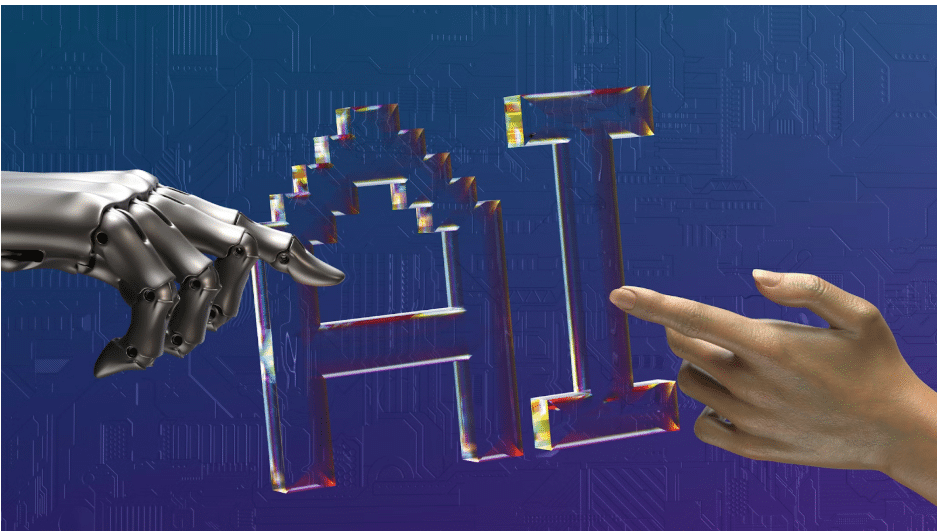
AI didn’t replace PR thinking. It rearranged the furniture around it.
Work that once had natural pauses now runs continuously. Drafts appear on demand. Monitoring never sleeps. Feedback loops tighten. The work feels smoother, lighter, more efficient.
But here’s the catch: efficiency changes behavior.
PR teams now make more decisions per day, with less friction between them. Drafting, reviewing, and refining can collapse into a single step. When that happens, judgment doesn’t disappear, but it’s easier to rush past.
That matters because PR in modern business isn’t just about getting attention. It’s tied to reputation, trust, employee morale, investor confidence, and public scrutiny. A single message can land in all those places at once.
When communication speeds up, risk doesn’t politely wait behind. It speeds up too.
The shift isn’t human versus machine. It’s intentional pacing versus system-driven momentum. And knowing when to slow down has become a skill in itself.
More output, less signal
AI promised relevance at scale. In reality, we’re getting scale first and relevance later—if at all.
It’s never been easier to send more pitches, more updates, more “quick notes” that sound polished and urgent. It’s also never been harder to stand out for the right reasons.
Journalists have been clear about this. Nearly half say they rarely or never respond to PR pitches, and the top reason isn’t tone or timing. It’s relevance. Most pitches simply don’t matter to them.
AI makes it easier to send ten versions of the same idea. It doesn’t make it easier to know which idea is worth sending in the first place.
When volume rises faster than understanding, credibility quietly takes the hit.
When speed becomes liability
Most PR mistakes don’t come from bad intentions. They come from momentum.
AI can draft with confidence even when it’s wrong. It can smooth over uncertainty instead of flagging it. It can sound calm and polished while missing context entirely.
That’s what makes these mistakes dangerous. They don’t look like errors at first glance.
A slightly off statistic. A quote that sounds right but isn’t. A tone that feels dismissive during a sensitive moment. None of these triggers alarms immediately. But once they’re public, they’re hard to reel back in.
Corrections move more slowly than screenshots. Clarifications don’t travel as far as original headlines.
Speed doesn’t remove risk. It puts it on fast-forward.
Better questions to ask
So if “What can AI do?” isn’t the right place to start, what is?
Try these instead.
- Who owns accountability when AI contributes to a message?
- What absolutely must be verified by a human, no matter how tight the deadline?
- Are we measuring success by how much attention we get—or how much trust we keep?
- Where does brand voice end and synthetic voice begin?
- What happens in a crisis when response time is automated but judgment isn’t?
- And when does being open about AI involvement strengthen credibility instead of raising eyebrows?
These aren’t philosophical questions. They’re operational ones. And they shape outcomes more than any tool choice ever will.
Guardrails over shortcuts
This doesn’t require heavy-handed policies or endless approvals. It requires clarity.
Some uses of AI are low-risk and genuinely helpful. Ideation. Research summaries. Internal drafts. Let those move fast.
Others deserve more care. Anything with names, numbers, claims, or public consequences should slow down just enough to think.
High-risk communications (e.g., crises, regulatory issues, executive statements) should never skip human judgment. Not because AI is “bad,” but because context is fragile.
The goal isn’t control. It’s building tools to cultivate awareness, intention, and responsibility into everyday work. The kind that catches problems before they become headlines.
Adoption isn’t maturity
It’s tempting to assume everyone has already figured this out. They haven’t.
Recent surveys show that more than a quarter of marketing organizations still report limited or no use of generative AI in campaigns. Even among adopters, confidence varies widely.
PR teams feel this tension acutely. Some automate aggressively. Others hesitate. Many do both at the same time.
The risk isn’t being early or late. It’s being inconsistent.
When standards aren’t shared, accountability gets blurry. And blurry accountability is where reputational problems like to hide.
Final words
In a world where machines make communication easier, good PR looks different.
It’s not the fastest response. It’s the one that holds up tomorrow.
It’s not the most content. It’s the message that actually lands.
As AI lowers the cost of producing words, judgment becomes the real value. Relevance. Restraint. Knowing when not to speak.
The question isn’t whether AI belongs in PR. That debate is over.
The real question is whether we’re shaping its role with enough intention to protect the trust PR is meant to build in the first place.