

For years, brands viewed influencer marketing as one of the most effective ways to capture attention, build credibility, and drive consumer action. As social media platforms expanded and the creator economy flourished, influencer partnerships became a central part of modern marketing strategies. Businesses of all sizes rushed to collaborate with creators, believing that greater exposure through trusted online personalities would naturally lead to stronger customer engagement and better results.
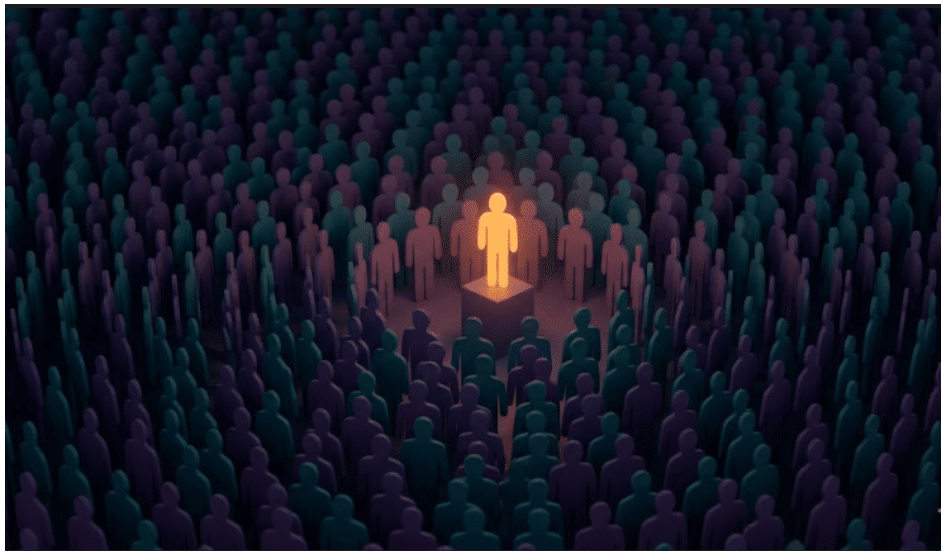
Yet a surprising paradox has emerged. Despite the growing number of influencers, sponsored campaigns, and branded collaborations, many marketers are finding it increasingly difficult to achieve the same level of impact they once enjoyed. Consumers are exposed to promotional content at an unprecedented scale, but increased visibility does not necessarily translate into increased influence. Instead, audience skepticism, content saturation, and shifting trust dynamics are changing how people respond to creator recommendations.
Understanding why influence appears to be weakening in an era dominated by influencers is essential for brands seeking to build meaningful and lasting connections with their audiences.
The Rise of the Influence Economy
How Influencer Marketing Became a Dominant Marketing Channel
The rise of social media transformed the way brands communicate with consumers. Traditional advertising once relied heavily on celebrities, television commercials, and large-scale media placements to reach audiences. However, the growth of platforms such as Instagram, YouTube, TikTok, and LinkedIn created opportunities for individuals to build loyal communities around their content, interests, and expertise. As these creators gained dedicated followings, brands recognized their potential to deliver marketing messages in a more relatable and personal way.
Unlike conventional advertisements, influencer content often felt authentic and conversational, allowing brands to connect with consumers through voices they already trusted. This perceived authenticity helped influencer marketing evolve from an experimental tactic into a mainstream strategy embraced across industries ranging from fashion and beauty to technology and finance. Companies increasingly allocated larger portions of their marketing budgets to creator partnerships, viewing them as an effective way to generate awareness, engagement, and conversions.
As a result, the creator economy experienced rapid expansion, with new influencers emerging across nearly every niche imaginable. What began as a selective opportunity for a small group of creators has evolved into a highly competitive ecosystem where influence itself has become a valuable commercial asset.
The Numbers Behind Influencer Growth
The growth of influencer marketing has been fueled by two parallel trends: an increasing number of content creators and a growing willingness among brands to invest in creator-led campaigns. As social media platforms lowered the barriers to content creation, individuals from virtually every industry, profession, and interest group gained the ability to build audiences and monetize their online presence. Today, creators range from lifestyle vloggers and fitness coaches to financial educators and technology experts, giving brands access to highly targeted communities.
At the same time, marketing teams have steadily expanded their influencer budgets in response to changing consumer media habits. As audiences spend more time on social platforms and less time engaging with traditional advertising channels, brands have followed consumer attention toward creator-driven content. This shift has encouraged companies to launch larger campaigns, collaborate with multiple influencers simultaneously, and maintain ongoing creator partnerships throughout the year.
However, this rapid expansion has also intensified competition for audience attention. With countless creators promoting products, services, and brand messages every day, consumers are navigating a digital environment that is more crowded than ever. While the influence economy continues to grow in size, its effectiveness is increasingly being tested by the very scale that helped drive its success.
Understanding the Paradox: More Influencers, Less Influence
Why Influence Is Becoming Diluted
At first glance, the continued growth of the creator economy should make influencer marketing more effective. More creators mean more opportunities for brands to reach highly specific audiences and deliver personalized messages at scale. However, the opposite is increasingly occurring. As the number of influencers grows, individual influence is becoming diluted within an overcrowded digital landscape.
One major reason is the sheer volume of sponsored content competing for consumer attention. Audiences encounter product recommendations, brand partnerships, affiliate promotions, and paid endorsements throughout their daily social media experience. When promotional messages become constant, they begin to blend together, making it harder for any single recommendation to stand out or leave a lasting impression.
The situation is further complicated by the growing similarity of influencer campaigns. Many creators promote the same products using comparable formats, messaging styles, and calls to action. As a result, content that once felt fresh and authentic can start to appear repetitive and predictable. Rather than strengthening persuasion, excessive exposure often reduces its impact, causing audiences to become less responsive to promotional content over time.
This creates a fundamental challenge for marketers: while brands have access to more influencers than ever before, capturing genuine attention and trust has become increasingly difficult.
The Difference Between Visibility and Influence
One of the biggest misconceptions in modern marketing is the assumption that visibility automatically creates influence. While influencer campaigns can generate substantial reach, impressions, and engagement, these metrics do not always reflect a meaningful impact on consumer decision-making. Being seen and being trusted are not the same thing.
A creator may expose a brand to thousands or even millions of followers, but exposure alone does not guarantee persuasion. Consumers today are more informed, selective, and aware of marketing tactics than previous generations. Many can quickly identify sponsored content and distinguish between genuine recommendations and paid promotions. As a result, a campaign may achieve impressive visibility while producing only a limited effect on trust, purchase intent, or long-term brand perception.
This distinction has become increasingly important as social media platforms reward content distribution and engagement. Brands often focus on measurable indicators such as views, likes, shares, and follower counts because they are easy to track. However, these numbers can create a false sense of success if they fail to translate into credibility or consumer action.
In an oversaturated creator landscape, influence is no longer defined by how many people see a message. It is increasingly determined by whether audiences believe the message, remember it, and are willing to act on it. That gap between visibility and persuasion sits at the heart of today’s influencer marketing paradox..
The Impact of Constant Sponsorships on Credibility
While brand partnerships provide valuable revenue opportunities for creators, an excessive reliance on sponsored content can gradually weaken the credibility that made influencers valuable in the first place. Audiences typically follow creators because they enjoy their perspectives, expertise, entertainment value, or personal experiences. When promotional content begins to dominate a creator’s feed, that relationship can start to feel less authentic and more transactional.
The challenge is not sponsorship itself. Most consumers understand that creators need monetization opportunities. Problems arise when audiences perceive that recommendations are driven primarily by financial incentives rather than genuine belief in a product or service. Frequent endorsements, particularly when they involve unrelated brands or conflicting products, can create doubts about a creator’s sincerity and judgment.
For brands, this credibility erosion presents a significant risk. A partnership may generate short-term visibility, but if audiences question the authenticity of the endorsement, the campaign’s persuasive power can diminish substantially. In some cases, excessive sponsorships may even produce negative reactions, causing consumers to disengage from both the creator and the promoted brand.
As influencer marketing becomes increasingly crowded, credibility is emerging as one of the most valuable and fragile assets within the creator economy. Once trust begins to erode, rebuilding it is often far more difficult than generating attention in the first place.
Influencer Fatigue: The Emerging Reality

What Influencer Fatigue Looks Like
As consumers encounter an endless stream of recommendations, promotions, and sponsored content, many are beginning to experience what marketers increasingly describe as influencer fatigue. The phenomenon does not necessarily mean that people have stopped following creators altogether. Instead, it reflects a growing tendency to tune out promotional messages that once commanded attention and engagement.
One of the clearest signs of influencer fatigue is declining responsiveness to sponsored content. Audiences have become highly skilled at identifying advertisements embedded within social media posts, often scrolling past them without giving them significant consideration. Content that once felt unique or informative can quickly become repetitive when similar endorsements appear across multiple creators and platforms.
The sheer volume of content contributes to this challenge. Consumers are not only exposed to more influencers than ever before but are also navigating a constant flow of videos, stories, livestreams, reviews, and recommendations competing for their attention. In such a crowded environment, even high-quality creator partnerships can struggle to break through the noise.
As attention becomes increasingly scarce, audiences are becoming more selective about whose opinions they trust and which recommendations they value. This shift signals a broader change in consumer behavior—one that is forcing brands to reconsider whether visibility alone is enough to influence purchasing decisions and long-term brand perception.
How Consumer Behavior Is Changing
The Shift From Personalities to Proof
For many years, influencer marketing relied heavily on the power of personality. Brands partnered with creators because audiences felt connected to them, trusted their opinions, and often aspired to emulate their lifestyles. While personal connection still matters, today’s consumers are increasingly looking beyond personalities and demanding stronger evidence before making decisions.
This shift is largely driven by greater access to information. Before purchasing a product, consumers can instantly compare reviews, watch demonstrations, read customer feedback, and explore competing options. As a result, a creator’s endorsement is often viewed as just one piece of a much larger evaluation process rather than the deciding factor it may once have been.
Evidence-based decision-making is becoming particularly important in categories involving higher costs, long-term commitments, or specialized knowledge. In these situations, consumers want proof of performance, measurable results, and authentic user experiences that support marketing claims. A recommendation may attract attention, but supporting evidence is often what ultimately builds confidence and drives action.
For brands, this evolution represents a significant shift in how influence operates. The most effective campaigns are increasingly those that combine creator reach with credible proof points, customer experiences, and transparent information. In an environment where trust must be earned rather than assumed, evidence is becoming just as important as visibility.
What This Means for Brands
Why Brands Should Rethink Influencer Selection
As the influencer landscape becomes increasingly saturated, choosing partners based solely on follower counts is becoming a less reliable strategy. Large audiences may deliver impressive reach, but reach alone does not guarantee credibility, engagement quality, or meaningful business outcomes. In many cases, brands that prioritize visibility over relevance risk investing in campaigns that generate attention without creating lasting influence.
Modern consumers are paying closer attention to the authenticity of creator-brand relationships. They want to see partnerships that feel natural and aligned with a creator’s expertise, audience interests, and established content themes. When a collaboration appears forced or disconnected from a creator’s usual content, audiences are more likely to question its sincerity and ignore the message altogether.
This changing environment requires brands to evaluate influencers through a broader lens. Audience relevance, trustworthiness, consistency, engagement quality, and subject-matter credibility are becoming just as important as audience size. A creator with a smaller but highly engaged and loyal community may deliver stronger results than one with significantly larger reach but weaker audience trust.
The most successful influencer partnerships are increasingly those built on genuine alignment rather than scale alone. By prioritizing credibility and audience fit, brands can improve the likelihood that their messages resonate, earn trust, and inspire meaningful action rather than simply adding to the growing volume of promotional content online.
Building Trust Beyond Influencer Partnerships
As consumer trust becomes harder to earn, brands can no longer depend exclusively on influencer collaborations to shape perception and drive purchasing decisions. While creators remain valuable marketing partners, sustainable trust is often built through a broader ecosystem of authentic customer experiences, transparent communication, and consistent brand behavior.
One of the most effective ways to strengthen credibility is by encouraging customer advocacy. Satisfied customers who voluntarily share reviews, testimonials, and real-world experiences often provide a level of authenticity that traditional promotional content cannot replicate. These voices help validate brand claims and offer prospective buyers evidence from people who have actually used the product or service.
Brands can also benefit from investing in owned content that educates, informs, and solves problems for their audiences. Valuable content demonstrates expertise and creates opportunities to build relationships directly with consumers rather than relying entirely on third-party endorsements. Similarly, employees, industry professionals, and subject-matter experts can serve as credible advocates when their insights align with genuine knowledge and experience.
Ultimately, trust is built through consistency. Consumers are more likely to believe brands whose messaging, actions, and customer experiences remain aligned over time. In an era of growing skepticism, organizations that focus on creating authentic value and long-term relationships will be better positioned to maintain credibility regardless of shifts in influencer marketing trends.
Authenticity as a Competitive Advantage
In an increasingly crowded creator landscape, authenticity is becoming one of the few qualities that cannot be easily replicated. As consumers grow more aware of promotional tactics and sponsored content, they are placing greater value on creators and brands that demonstrate honesty, transparency, and consistency in their communication.
Authenticity is no longer simply a desirable trait; it has become a competitive advantage. Audiences are more likely to engage with creators who share balanced opinions, acknowledge limitations, and maintain clear alignment between their values and the products they recommend. Similarly, brands that prioritize genuine relationships over transactional partnerships are often better positioned to build long-term credibility.
This shift is encouraging a move away from one-off promotional campaigns toward longer-term collaborations. When creators repeatedly work with brands that naturally fit their content and audience interests, endorsements tend to feel more believable and less like isolated advertisements. Consistency helps reinforce trust and allows consumers to view partnerships as genuine rather than purely commercial.
As trust becomes an increasingly scarce resource, authenticity will continue to differentiate successful brands and creators from those that rely primarily on visibility. In the future of influencer marketing, credibility may prove far more valuable than reach alone, making authentic engagement a critical driver of sustainable influence.
Influence Will Evolve, Not Disappear
Despite growing concerns about content saturation, consumer skepticism, and influencer fatigue, it would be inaccurate to conclude that influencer marketing is losing its relevance. Influence remains a fundamental part of human decision-making. People naturally seek recommendations, expert opinions, and social validation when evaluating products, services, and ideas. What is changing is not the existence of influence itself, but the way influence is earned and maintained.
The future of influencer marketing will likely be shaped by greater accountability, stronger audience expectations, and a heightened demand for credibility. Consumers are becoming more discerning about who they trust, encouraging creators and brands to focus on transparency, expertise, and meaningful value rather than relying solely on reach and visibility.
For marketers, success will depend on adapting to these evolving expectations. Brands that invest in authentic partnerships, community engagement, customer advocacy, and evidence-based messaging will be better positioned to build lasting relationships with their audiences. Those that continue to prioritize volume over trust may find it increasingly difficult to stand out in a saturated marketplace.
The paradox of more influencers and less influence does not signal the end of influencer marketing. Instead, it marks the beginning of a new phase—one where trust, relevance, and credibility become the true drivers of influence in modern marketing.
Conclusion
The rapid growth of the creator economy has transformed influencer marketing into one of the most influential forces in modern advertising. Yet the industry’s success has created an unexpected challenge. As more creators, sponsored campaigns, and promotional messages compete for consumer attention, genuine influence has become harder to achieve. Increased visibility does not automatically generate trust, and audiences are becoming increasingly selective about whose recommendations they value.
This shift reflects broader changes in consumer behavior. People are seeking proof alongside promotion, turning to communities for validation, and placing greater importance on expertise, authenticity, and transparency. As a result, the brands most likely to succeed are not necessarily those working with the largest influencers, but those focused on building credibility through meaningful relationships and consistent value.
The future of influencer marketing will belong to organizations that understand this distinction. In a marketplace saturated with content, trust has become the ultimate differentiator. Brands that prioritize relevance, authenticity, and long-term credibility will be better equipped to transform visibility into genuine influence and sustainable customer loyalty.