
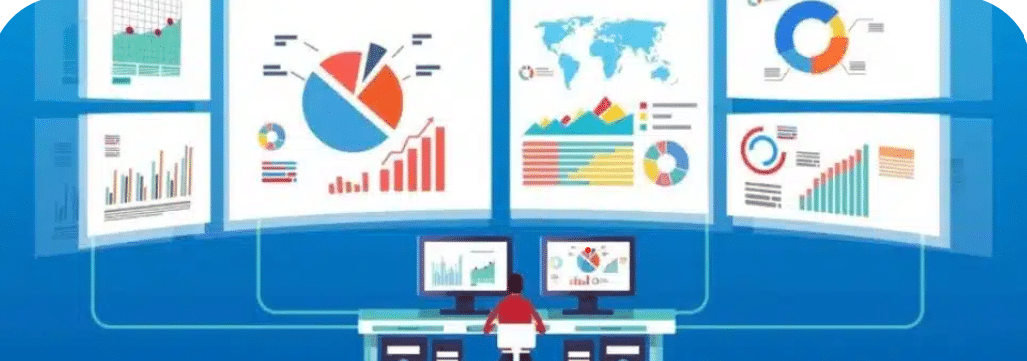
Media monitoring has become a standard function inside modern PR and communications teams. Alerts arrive instantly, dashboards refresh in real time, and coverage reports are generated with little effort. On the surface, this suggests that organizations are more informed than ever before. Yet despite the abundance of data, many teams are struggling to make better decisions, anticipate risks, or translate media activity into meaningful business insight.
The issue is not a lack of monitoring. It is a lack of understanding.
In today’s fragmented, fast-moving media environment, tracking mentions is no longer enough. What separates high-performing communications teams from the rest is not how much media they monitor, but how deeply they understand what media coverage actually means.
The Rise of Modern Media Monitoring
Over the past couple of years, media monitoring has evolved dramatically. What was once a manual process of clipping articles and scanning headlines has transformed into an automated, always-on capability. PR teams can now see who mentioned their brand, where it appeared, how far it reached, and whether the tone was positive or negative — all within minutes.
This evolution has delivered undeniable value. Media monitoring ensures visibility, accountability, and speed, allowing teams to respond quickly, demonstrate activity, and keep stakeholders informed.
But monitoring has also reached a point of saturation. Nearly every organization now has access to similar data sets, similar metrics, and similar reports. As a result, monitoring alone no longer provides differentiation or strategic advantage. It answers the question of what happened, but leaves far more important questions unresolved.
Understanding requires going beyond visibility into interpretation, contextual media analysis, and consequence areas where monitoring tools alone often fall short.
When Monitoring Becomes a Commodity
As media monitoring has become more accessible, it has also become commoditized. Mentions, reach, sentiment scores, and share of voice are now baseline metrics rather than indicators of sophistication. When everyone is measuring the same things in the same way, insight becomes harder to extract.
This commoditization creates a false sense of progress. Teams feel informed because they are surrounded by data, yet decision-making remains reactive and tactical. Reports grow longer, dashboards become more complex, but clarity does not necessarily improve.
Monitoring tells teams that a story appeared. Understanding media coverage in public relations explains why it appeared, how it is likely to evolve, and what should be done next. Without that deeper layer of analysis, monitoring risks becoming a reporting exercise rather than a strategic capability.
Why More Data Is Not Necessarily Producing Better Decisions
One of the most persistent myths in modern PR is that more data automatically leads to better outcomes. In reality, data volume often creates friction rather than clarity. Communications teams are inundated with alerts, spikes, and trend lines, making it difficult to distinguish meaningful signals from background noise.
This overload has consequences. Important narratives can be missed because they do not trigger dramatic spikes. Emerging risks can be overlooked because they develop gradually rather than explosively. Meanwhile, leadership receives reports filled with numbers but lacking interpretation.
Understanding media requires intentional filtering and prioritization. It means knowing which signals matter, which can be ignored, and which demand immediate action. Without this discipline, data becomes descriptive rather than directive — informative, but not actionable.
Understanding Media Means Understanding Context
Media does not exist in isolation. Every mention is shaped by timing, source credibility, journalist intent, audience expectations, and broader narratives unfolding across channels. Monitoring captures the occurrence of coverage; understanding media sentiment beyond metrics interprets its context.
For example, a single critical article may appear insignificant in isolation. But if it originates from a trusted industry outlet, aligns with existing skepticism, and gains traction on social platforms, its impact can far exceed what raw metrics suggest. Conversely, high-volume coverage from low-impact sources may inflate visibility without influencing perception.
True media intelligence for reputation management requires teams to read between the headlines. It involves analyzing how stories are framed, which themes are reinforced, and how narratives shift over time. Context transforms mentions into meaning.
Why Sentiment Scores Rarely Tell the Full Story
Sentiment analysis is one of the most widely used — and most misunderstood — elements of media monitoring. Automated tools classify coverage as positive, negative, or neutral, offering a quick snapshot of tone. While useful at a high level, sentiment scores often oversimplify complex narratives.
Language is nuanced. Sarcasm, irony, cultural references, and mixed sentiment frequently escape automated classification. More importantly, sentiment alone does not capture influence. A mildly negative story in a highly trusted publication may carry more weight than dozens of neutral mentions elsewhere.
How PR teams can interpret media data requires qualitative judgment. It means examining emotional drivers, narrative framing, and audience response rather than relying solely on numerical scores. Without this deeper analysis, sentiment metrics can mislead rather than inform.
The Difference Between Reaction and Anticipation
Monitoring is inherently reactive. It alerts teams after something has happened. Media intelligence for PR teams, by contrast, enables anticipation. By identifying patterns, shifts in language, and emerging themes, communications teams can recognize early warning signs before issues escalate.
This distinction is critical in crisis management. Most reputational crises do not emerge overnight. They develop gradually, often preceded by subtle signals that are easy to overlook when teams focus only on spikes and alerts. Anticipatory media intelligence for crisis prevention means recognizing these signals early enough to influence outcomes rather than merely respond to them.
Anticipatory intelligence allows teams to move from firefighting to foresight. It transforms media data into a strategic asset rather than a retrospective record.
How High-Performing PR Teams Think Differently
Organizations that excel at communications approach media monitoring vs media intelligence differently. They treat data as a starting point, not an endpoint. Instead of asking how much coverage they received, they ask what narratives are forming and how those narratives align with business objectives.
High-performing teams prioritize interpretation over volume. They track story evolution rather than isolated mentions. They integrate media insight with broader intelligence from social, stakeholder feedback, and market signals. Most importantly, they design reporting around decisions, not deliverables.
For these teams, understanding media coverage for business decisions is not about producing better reports. It is about enabling better judgment.
Turning Media Data Into Communication Intelligence
The transition from monitoring to understanding requires a shift in mindset. Turning media data into actionable insights involves connecting media activity to outcomes, risks, and opportunities. This requires layering quantitative metrics with qualitative analysis, historical comparison, and strategic context.
Communication intelligence answers practical questions. What narratives are gaining momentum? Which audiences are being influenced? How does this coverage affect trust, reputation, or behavior? And what action should follow?
When media data is framed in this way, it becomes a tool for leadership rather than a checkbox for reporting. It supports planning, guides messaging, and strengthens decision-making across the organization.
Monitoring Is the Floor. Understanding Is the Advantage.
Media monitoring vs media analysis is the core distinction in modern PR. Monitoring is no longer optional. It is the baseline requirement. But in an environment defined by speed, saturation, and scrutiny, monitoring alone is not enough.
Organizations that rely solely on alerts and dashboards will continue to react after the fact. Those that invest in understanding media — its context, influence, and implications — gain a strategic advantage. They are better prepared to manage risk, shape narratives, and demonstrate the true value of communications.
In today’s media landscape, the difference between visibility and insight defines success. Everyone may be monitoring media, but only those who understand media coverage in public relations are truly in control.
Conclusion
Media monitoring has become an essential foundation for modern PR, but it is no longer a real differentiator. In an environment where data is abundant and access is universal, advantage comes from interpretation, not observation. Simply knowing that coverage exists does little to protect reputation, guide strategy, or support leadership decisions.
True media understanding requires teams to move beyond dashboards and alerts and toward context, narrative, and intent. It means recognizing early signals, questioning surface-level metrics, and connecting media activity to real-world impact. When communications teams understand why stories emerge and how they influence perception, they gain the ability to act with confidence rather than urgency.
Ultimately, monitoring sets the baseline. Understanding creates value. And in today’s complex media landscape, that distinction defines which organizations lead the conversation — and which merely react to it.