
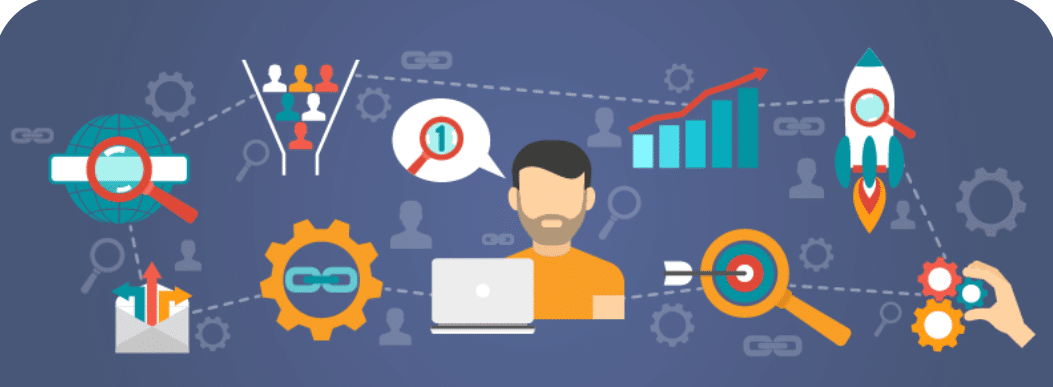
Content optimization is widely adopted across digital marketing, yet it is often misunderstood as a purely technical or keyword-focused task. Many teams concentrate on surface-level improvements—such as keyword density or meta tags—without addressing deeper factors like user intent, content relevance, and consistency across channels. As a result, even well-optimized pages may achieve short-term visibility but struggle to sustain rankings or deliver meaningful engagement.
Despite growing investment in content optimization tools, research indicates that effectiveness still depends heavily on strategy. By 2027, global spending on digital content and marketing technologies is expected to continue rising steadily, yet studies consistently show that over 60% of content fails to generate significant traffic or conversions due to weak alignment with user needs and search intent. This gap highlights that tools alone cannot guarantee success without a structured, insight-driven approach.
Ultimately, content optimization should be viewed as a continuous, strategic process rather than a one-time technical fix. Businesses that align content with audience expectations, maintain consistency, and leverage data-driven insights are far more likely to achieve sustainable rankings, stronger engagement, and higher conversion rates over time.
Misunderstanding Search Intent
One of the most common reasons content underperforms is a mismatch between what users are searching for and what the content actually delivers. Focusing purely on keywords—especially high-volume ones—often leads to content that ranks poorly or fails to convert because it doesn’t align with user expectations. Search intent reflects the real goal behind a query, and ignoring it results in irrelevant messaging, low engagement, and missed opportunities.
Common mistakes:
- Targeting high-volume keywords without analyzing the underlying intent
- Mixing informational and transactional intent on a single page, creating confusion
- Producing generic content that doesn’t clearly solve a specific user need
Example:
An article targeting “best CRM software” but only explaining what CRM is, without offering comparisons, reviews, or recommendations. Users searching this query typically expect a curated list or decision-making support, not a basic definition.
How to fix:
- Map keywords to clear intent types (informational, navigational, transactional) before content creation
- Analyze top-ranking pages to understand what format and depth users expect
- Structure content to directly answer the query, whether that means comparisons, step-by-step guides, or product-focused insights
By aligning content with search intent, businesses can improve rankings, increase engagement, and ensure their content delivers real value rather than just attracting traffic.
Over-Optimization and Keyword Stuffing
Over-optimization is a common pitfall where the attempt to rank higher in search results ends up damaging both readability and performance. Search engines have become increasingly sophisticated, prioritizing natural language, context, and user experience over rigid keyword placement. When content feels forced or repetitive, it not only discourages readers but can also trigger negative SEO signals.
Common mistakes:
- Repeating keywords unnaturally throughout the text
- Overloading headings with exact-match phrases that feel robotic
- Ignoring content flow, making the text hard to read and less engaging
Example:
A product page that repeats the same keyword in nearly every sentence, creating a clunky and unnatural reading experience that drives users away instead of converting them.
How to fix:
- Use natural language and include semantic variations of the main keyword
- Focus on covering the topic comprehensively rather than chasing keyword density
- Write for humans first, ensuring clarity and value, then refine for search engines with light optimization
A balanced approach to SEO ensures that content remains both discoverable and enjoyable to read, ultimately improving engagement, rankings, and conversion outcomes.
Ignoring Content Structure, UX, and Performance
Even highly relevant and well-researched content can underperform if it is difficult to read, navigate, or access. Modern users expect fast, well-structured, and mobile-friendly experiences, and search engines increasingly factor user experience signals into rankings. Poor structure or technical performance can significantly reduce engagement, regardless of content quality.
Common mistakes:
- Long, unstructured text blocks with no visual hierarchy
- Poor or missing internal linking between related pages
- Slow page load times or mobile-unfriendly layouts that increase bounce rates
Example:
A detailed guide written as a single wall of text without headings, subheadings, or formatting makes it hard for users to scan, locate key insights, or stay engaged with the content.
How to fix:
- Use clear headings, short paragraphs, and bullet points to improve readability and scanning
- Add internal links to related content to guide users through the topic journey and improve SEO structure
- Ensure fast load times and a fully responsive design across mobile and desktop devices
In practice, content performance improves significantly when structure and technical execution support the message itself. COAX Software helps address these challenges by providing content optimization services combined with technical optimization, ensuring that performance, structure, and SEO are aligned rather than treated in isolation.
Fix the Gaps, Unlock Content Performance
Content optimization is no longer just about inserting keywords or chasing rankings. True performance comes from aligning search intent, content structure, and user experience into a single, coherent approach. When these elements work together, content becomes more discoverable, more engaging, and more effective at driving business outcomes.
Avoiding common mistakes—such as misunderstanding intent, over-optimizing keywords, or neglecting UX and technical performance—can significantly improve both rankings and user engagement. Even small adjustments in structure, readability, or relevance can lead to measurable gains in time on page, conversions, and overall content efficiency.
A balanced approach that combines strategic planning, high-quality content creation, and strong technical foundations delivers sustainable results. When optimization is treated as an ongoing process rather than a one-time task, businesses can consistently improve performance and turn content into a reliable growth engine.