

Every communicator has heard a client say some version of “just reassure people it’s safe.” But reassurance is cheap, and audiences increasingly know it. In an era where skepticism toward brand messaging runs high, the professionals who win aren’t the ones with the most confident copy — they’re the ones who can show their audience a system, not just a statement.
That distinction — between telling people to trust you and building something that makes trust unnecessary to ask for — is quietly becoming one of the more urgent issues in PR and brand communications.
The Problem: Reassurance Fatigue
Consumers and stakeholders alike have been reassured so many times, by so many brands, that the word itself has started to lose meaning. “Rest assured,” “we take this seriously,” “your safety is our priority” — these phrases now function less as information and more as noise. When a claim isn’t backed by something demonstrable, audiences don’t just doubt the claim; they start discounting the source.
This is a structural problem for PR, not just a copywriting one. It shows up in:
- Crisis statements that promise action without naming a mechanism
- Product or service messaging that leans on adjectives (“rigorous,” “trusted,” “proven”) instead of process
- Sustainability and safety claims that read as aspirational rather than operational
The audience isn’t asking communicators to sound more sincere. They’re asking to see the machinery behind the claim.
A Small Case Study in “Show, Don’t Reassure”
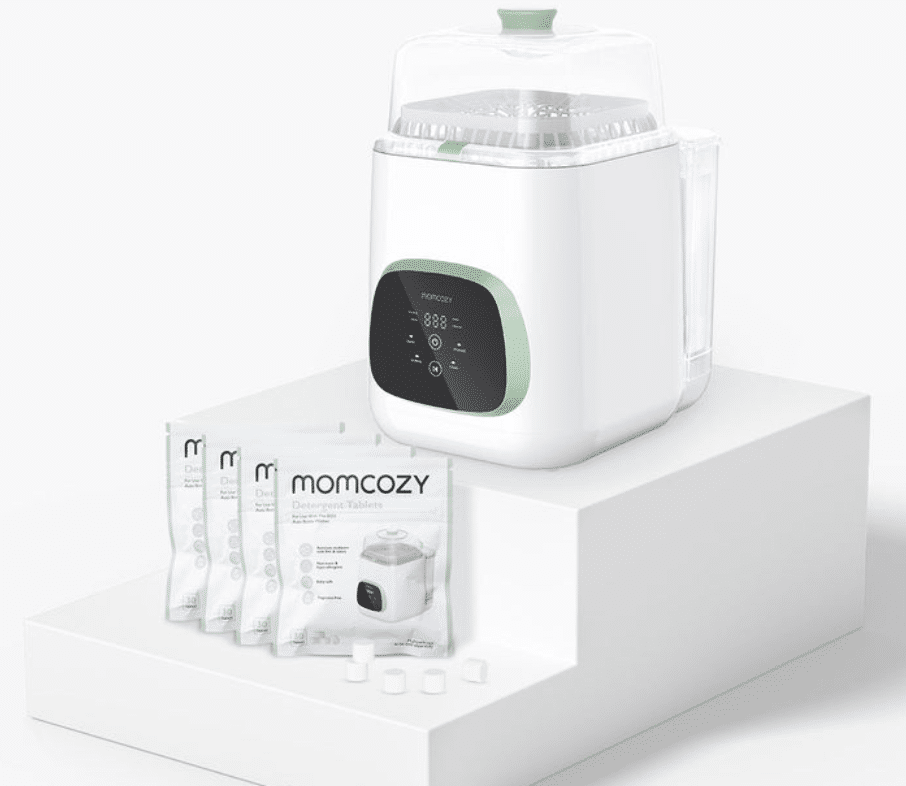
A useful, if unlikely, illustration of this shift shows up in the infant-products category. Parents shopping for bottle-cleaning solutions for newborns aren’t persuaded by marketing language about cleanliness — they’re persuaded by specificity: sanitize cycles that hit a named temperature threshold, drying functions that address moisture (the actual variable that allows bacteria to regrow), and storage protocols with a defined time window before re-sterilization is required.
Brands succeeding in that category, including infant bottle cleaner, have essentially replaced the reassurance layer with a visible, checkable process. The pitch isn’t “trust us, it’s clean.” It’s “here’s the threshold, here’s how you verify it, here’s what happens if the window lapses.” Nothing is asserted that can’t be independently checked by a tired parent at 2 a.m.
That’s the entire lesson, stripped of the product category: specificity is what reassurance is trying, and failing, to imitate.
What This Means for PR Practice
Communicators can apply the same logic well outside consumer products:
- Replace adjectives with thresholds. Instead of “we take data security seriously,” name the standard being met and how it’s audited.
- Name the failure window. Good systems don’t pretend nothing goes wrong — they define how quickly a lapse is caught and corrected. Crisis communications benefit enormously from stating this openly rather than promising perfection.
- Make the process checkable, not just describable. If a claim can’t be verified by the audience in some form — a certification, a public methodology, a third-party audit — treat it as marketing language, not proof, and communicate accordingly.
None of this is about withholding warmth or plain language from communications. It’s about recognizing that in a low-trust environment, process transparency is the message, and reassurance language without it reads as evasive by comparison.
The Takeaway for the Industry
The brands and institutions earning trust right now aren’t the ones saying the most confident things about themselves. They’re the ones who’ve made their internal standards legible to an outside observer. For PR professionals, that reframes the job: less time perfecting the language of reassurance, more time working with clients to make their actual processes visible, specific, and checkable.
Reassurance asks an audience to take your word for it. Process transparency removes the need to ask at all — and that’s the shift worth building into every brand narrative going forward.