

If you’ve worked in comms long enough, you’ve lived on both sides of the equation: The carefully orchestrated campaign that lands where you intended. And then, the 4:00 a.m. scramble to draft a holding statement before a headline spirals.
So, which communication strategy is most effective? Proactive PR or reactive PR? Your first instinct might be to opt for proactive PR, as it allows you to shape public perception before external factors dictate it.
But the truth is, there’s no right or wrong answer.
Many PR pros use both to influence perception and protect brand reputation. Proactive PR builds the narrative through thought leadership content, strategic campaigns, and planned outreach.
Reactive PR protects it through rapid response, issue framing, and stakeholder alignment when the unexpected happens.
In this article, we’ll explore the proactive PR vs. reactive PR debate, discuss when each approach is most effective, and provide guidance on reaching audiences with both.
Proactive PR vs. reactive PR: What’s the difference?
Proactive PR is how communicators shape perception, plant strategic messages, and build credibility before anything demands a response.
Examples of proactive PR:
- Launching a new product
- Positioning a founder as a thought leader
- Introducing a bold sustainability initiative
Reactive strategies are about timing, control, and clarity when an external force comes along. This could be a data breach, a social media firestorm, or a change in leadership.
The work shifts from storytelling to damage control, context-setting, and reassurance.
Examples of reactive PR:
- Responding to customer backlash on social media platforms
- Issuing a public statement after a crisis or scandal
- Addressing misinformation or negative press coverage
In a nutshell, proactive PR moves ahead of the news cycle. Reactive PR moves with it.
Choosing the right strategy for the moment
Reputation has never been more closely tied to business outcomes. In fact, 72% of business leaders believe reputation will have an even greater impact on company success in the next five years.
But not every moment calls for the same communication strategy. Some situations require you to plant ideas early, shape perception over time, and stay ahead of the curve. On the other hand, there are times when you need to implement a clear, immediate response.
The difference often comes down to timing, audience expectations, and the stakes at play.
Take Spirit Airlines. In late 2024, Spirit Airlines paused the release of its quarterly financials while negotiating debt talks with bondholders.
Instead of keeping investors in the dark, the airline put out a public update explaining the delay and the ongoing negotiations. It wasn’t a flashy move, but it showed that Spirit was willing to communicate openly, even though the numbers weren’t ready. That helped manage expectations and keep confidence from slipping.
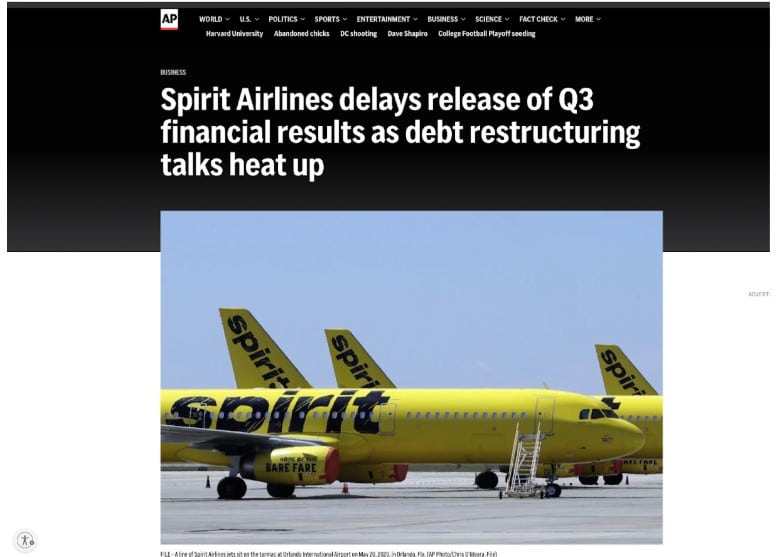
Situations like this show how effective PR strategies can significantly impact a business’s ability to overcome financial obstacles. When companies face funding challenges due to past financial difficulties, their public image becomes even more crucial.
A strategic PR approach can tell a compelling recovery story that resonates with alternative lenders. Many business owners don’t realize that when seeking business loans with bad credit, their public reputation can influence lending decisions beyond just their credit score.
Proactive PR enables companies to showcase their current success, industry expertise, and future potential, thereby creating positive visibility that may help mitigate credit concerns.
Meanwhile, reactive PR ensures that they effectively address any lingering questions about past financial issues that may arise. This balanced approach fosters a narrative of transparency and growth, which can open doors to financing options that might otherwise remain closed.
For struggling businesses, smart PR isn’t just about public perception; it’s about driving tangible results. It can serve as a practical pathway to securing the capital necessary for continued operations.
How to reach your audience with proactive and reactive PR
Reaching your audience is all about understanding when and how they’re most likely to listen. Proactive and reactive PR serve different roles but share the same goal. What’s that goal? To achieve relevance, trust, and clarity at every touchpoint.
Here’s how to do both well:
For proactive PR
This is how you can reach your audience with proactive PR:
Lead with insight
Audiences respond to brands that guide them through a crisis or issue. Leading with insight helps meet those expectations. This involves sharing expertise, offering perspective, and delivering value before your audience even realizes they need it.
Take, for example, electrical contractor software Tradify. Tradify doesn’t just simplify scheduling and quoting. It also plays a vital role in how trade businesses communicate with their audience. By applying proactive PR strategies, Tradify can highlight user success stories, launch feature updates, or educate contractors on best practices.
This builds brand authority over time. On the other hand, reactive PR allows the company to respond swiftly to customer feedback, industry changes, or unexpected events, ensuring trust is maintained. Combining both strategies helps Tradify stay relevant, responsive, and respected within the trades community.
HubSpot has built its reputation by educating its audience well before making a pitch. Through original research, trend forecasting, and long-form content, it provides insight that helps marketers and sales teams succeed, even if they’re not yet customers.
An example of HubSpot’s proactive PR through insightful content is its blog post titled “Content Marketing Strategy: A Comprehensive Guide to Modern Marketers.” The guide offers marketers a detailed roadmap for developing and executing effective content strategies.

Providing these valuable resources helps HubSpot position itself as a thought leader and trusted advisor in the marketing industry.
Build relationships before you need them
Yes, press releases are part of a strong PR strategy. But building relationships is also essential. Earning your audience’s trust creates a foundation that supports every message you share down the line. Maybe you’re pitching a news story. Maybe you’re navigating a sensitive issue. Maybe you’re looking to drive long-term loyalty.
Whatever the case, those first impressions carry weight. Proactive PR starts the moment you shake hands and introduce yourself to potential partners. That’s why you should aim to stand out and forge strong, lasting connections. A custom photo card provides an alternative to traditional business cards, making a powerful first impression.
When you’ve already built goodwill and familiarity, your target audience is far more likely to listen when it counts. And when you need to pivot, explain, or respond under pressure, those early connections become your strongest asset.
Craft layered messaging
Proactive strategies work best when your message isn’t clear. It’s cohesive across every channel and deep enough to evolve over time. Audiences engage differently depending on where and how they encounter your brand.
That’s why layered messaging is essential. It allows you to meet people where they are and reinforce a consistent, strong narrative.
Think of it like this:
- A keynote speech introduces your brand’s position or long-term vision.
- A feature article or white paper breaks down the strategy behind that position (backed by data, expert POVs, or case studies).
- A blog post walks through how your solution solves a specific challenge your customers face.
- A short video highlights a partner success story or innovation in action.
- A social media post distills that narrative into digestible insights, visuals, or real-time commentary.
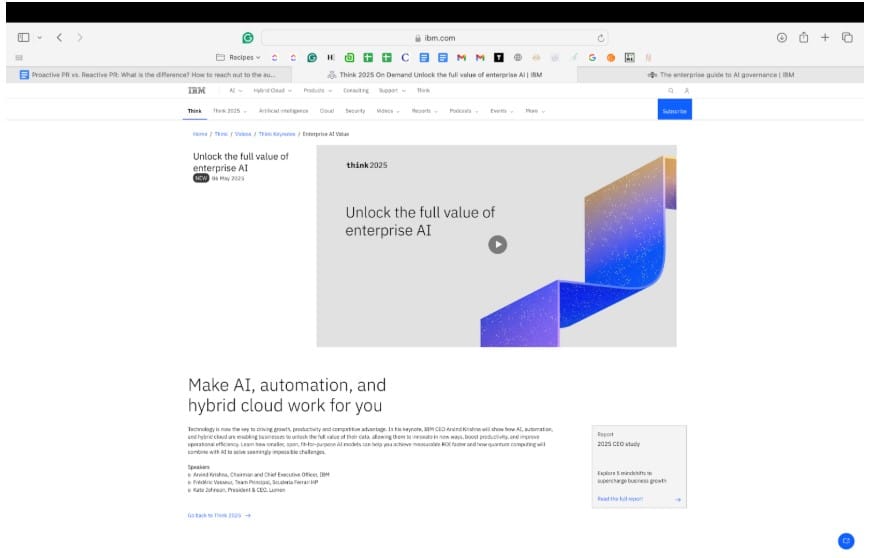
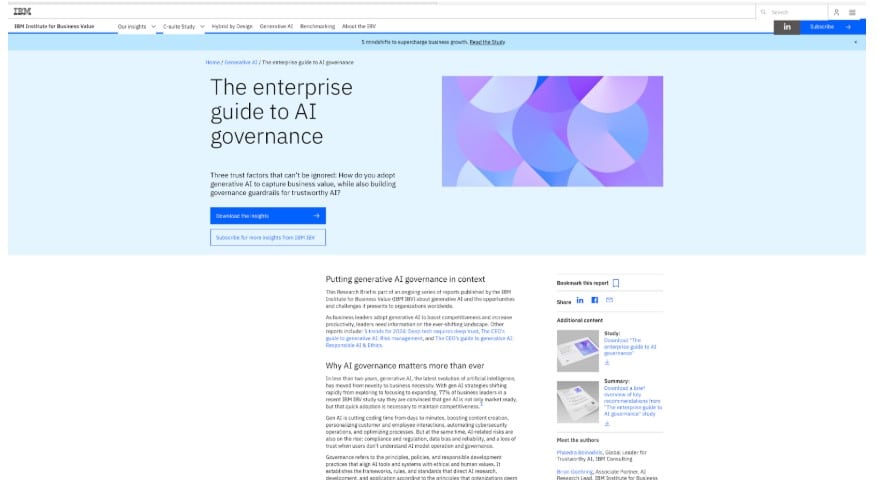
IBM does this well. When the company announced its AI governance framework, it didn’t stop at a press release.
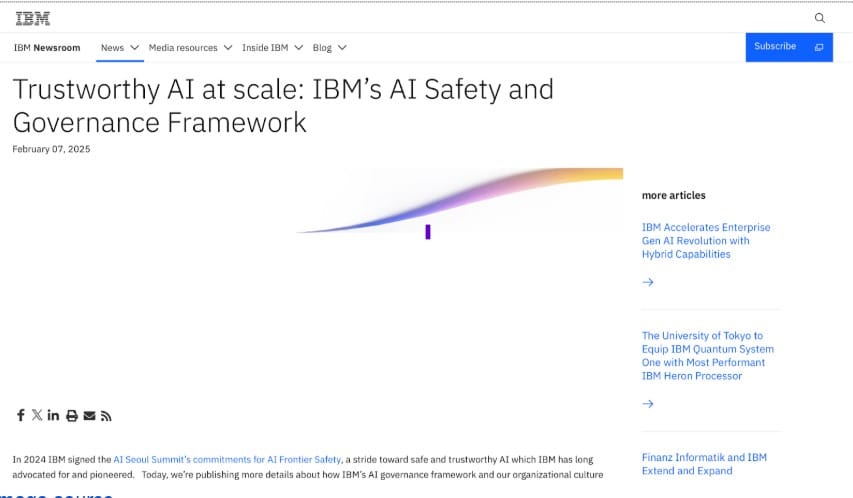
The CEO discussed the initiative in a keynote…
… followed by a whitepaper that broke down the policy’s implications.
For reactive PR
And for reactive PR…
Move fast, but stay measured
When a crisis hits, timing is everything. But tone matters just as much. Reactive PR strategies demand urgency, including having an alternate phone number ready for media inquiries to manage communications effectively. But rushing a message without clarity or coordination can create more problems than it solves. Your response sets the tone for how stakeholders interpret the situation and how much trust you keep.
Act quickly, but not blindly. Before speaking publicly, confirm the facts, align internally, and identify your audiences. In some cases, a brief holding statement buys time while you gather the necessary details. In others, your first message needs to deliver both information and assurance. Either way, the goal is the same. Either way, your goal is to show that your team is aware, in control, and leading the response.
Acknowledge before you defend
The first instinct in a tough moment is often to correct the record. But credibility comes from recognition, not rebuttal. Before explaining, clarifying, or responding with a position, acknowledge what your audience is feeling or seeing. People want to know that you’ve heard them and that you’re not dodging the reality of the situation.
However, acknowledgment doesn’t mean accepting fault where there is none. It means demonstrating awareness, empathy, and a willingness to engage.
A message that opens with “We understand there are concerns…” or “We’re aware of the issue and are actively reviewing it..” does more to maintain trust than a rushed explanation.
Align internal and external messaging
In moments that matter, what you say externally must reflect what your team believes and supports internally. Audiences, especially employees and customers, can sense when messaging feels scripted or disconnected from the brand’s actual values—whether that’s innovation, transparency, or a genuine commitment to diversity and inclusion.
The most effective reactive PR strategies start internally. Before anything is released to the public, your team needs to be informed, aligned, and ready to reinforce the message across every challenging point. That includes leadership, customer service, social media, and even sales.
Everyone should know what to say, why they need to say it, and how to communicate it consistently.
Externally, your response should feel real. People want to see that your brand understands what they’re experiencing and cares enough to meet them where they are, not just to protect its reputation.
That’s why proactive PR often involves anticipating your audience’s evolving needs and addressing them before they even ask. For example, The Sculpt Society launched its postpartum exercise program to support new mothers returning to fitness.
By developing and promoting this offering during founder Megan Roup’s own postpartum journey, the brand positioned itself as empathetic, timely, and deeply connected to its audience’s real-life experiences.

Proactive PR vs. reactive PR: Is your team shaping both sides of the story?
Strategic communication teams plan and respond in real time. They know how to set the tone through thoughtful campaigns and how to show up when the spotlight isn’t on their teams.
Proactive PR opens doors. It positions your brand as forward-thinking, engaged, and relevant. Reactive PR keeps those doors open by reinforcing trust during moments of uncertainty or change.
Together, they form the foundation for strong reputation management.