

Watch the news cycle for a week, and you’ll see the same brands quoted over and over. Zillow on housing. Adobe on e-commerce. LinkedIn on hiring trends. It’s not random.
Every quote builds awareness and credibility. When reporters cite your data or call your team for context, potential customers notice.
So do investors, recruits, and partners.
But most brands treat media coverage like lightning, something that strikes once if you’re lucky. The brands that show up consistently have figured out something different.
This article breaks down what they do, the actual mechanics of how newsrooms work now, what journalists need, and moves you can test this quarter.
Understanding the Media Landscape
Third-party validation still matters more than most marketing tactics. People are really not going to buy what a brand message says without verification anymore.
The Reuters Institute’s 2024 Digital News Report shows people still turn to established outlets when they need to verify something or understand a complex story.
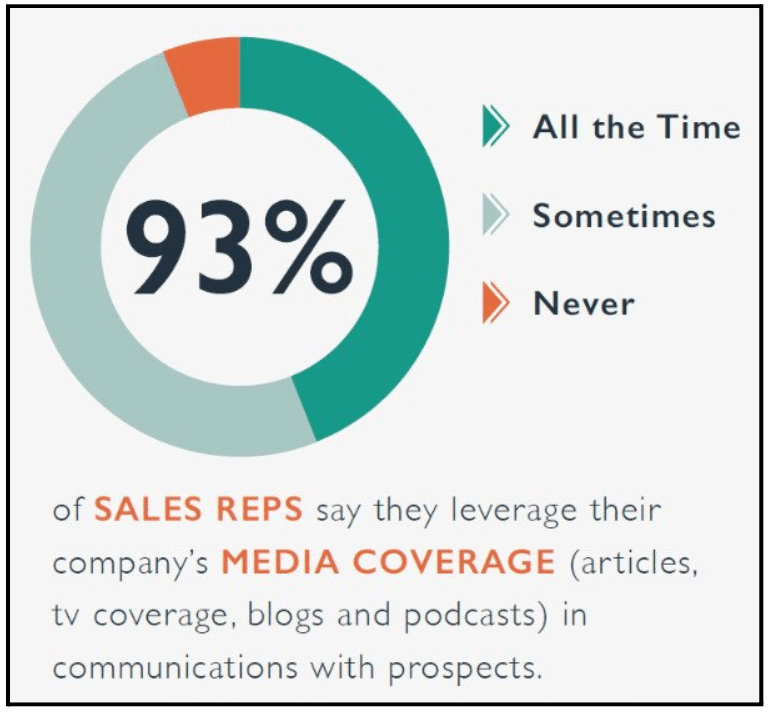
Media coverage also shortens sales cycles because when a prospect has already seen your take on an industry trend, your team doesn’t start from scratch. The context (and trust) is already there.
Jeff Zhou, CEO and Founder of Fig Loans, has seen how third-party coverage changes how borrowers approach financial decisions.
Zhou says, “People are cautious when money is involved. They want to see how a company thinks before they trust it. When borrowers read your perspective in a credible publication, they understand your intent and your standards before ever visiting your website. That familiarity lowers hesitation. Media coverage doesn’t just build awareness. It reduces uncertainty, and that’s what actually moves people to act.”
Trends in news media
Newsrooms run leaner than they did five years ago. Reporters have to work faster and across more formats, such as text, video, social clips, and newsletters. A few patterns matter:
- Social platforms are where a lot of people first discover news, especially on YouTube and Facebook. Pew Research found this in their 2025 survey, though trust varies wildly by platform.
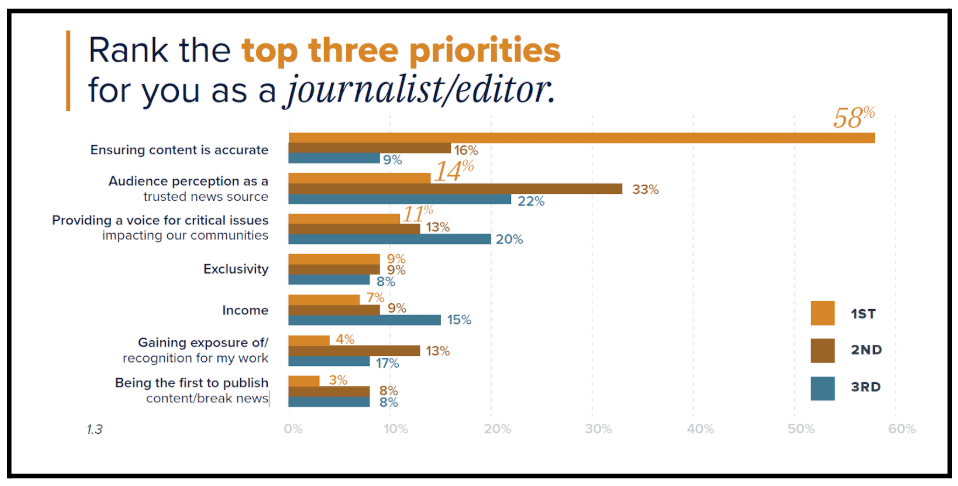
- Journalists get buried in pitches. Annual surveys from Cision and Muck Rack show they want concise emails, personalized angles, and sources who can explain complicated topics without jargon. They also need visuals like charts, photos, and short clips, because stories now live across multiple formats.
The bar keeps rising. Brands that land quotes show up prepared with data, context, and people who can talk on deadline. Reaching out with a generic take is not enough, especially with so many people competing for a spot.
3 Secrets to Consistent Media Coverage
Now that we know media coverage is important, let’s move on to the crux of this article: knowing what to send in, to whom, and when.
1. Build relationships with reporters
This one is actually hard to do, because a lot of the time journalists will simply publish their queries and wait for a response. What you can do is find journalists who write about your industry and what those reporters pay attention to.
Maintain a list of journalists, their beats, recent articles, and the angles they gravitate toward.
Begin with relevant data, don’t wait for them to prompt you. If they’re on a tight deadline, they may just not wait and move on to someone else.
Ryan Walton, Program Ambassador at The Anonymous Project, works with stories that depend entirely on trust and careful context. He has seen how media relationships develop slowly and reward consistency.
Walton says, “Journalists remember brands that help them understand something. Sometimes that means sharing background without expecting coverage. Sometimes it means clarifying details or pointing them to the right context. Over time, that builds trust. When a relevant story comes up later, they already know who can help, and that’s when the quote happens.”
2. Respond to real events with relevant insight
News rewards speed. Waiting even 48 hours can erase your window.
Strong brands monitor their space constantly. When something breaks, a regulation change, product launch, funding announcement, or industry shift, they react immediately. They do not scramble. They prepare.
This preparation is operational. Maintain ready-to-use commentary, fresh data points, executive quotes, and clean visuals. Organize them in advance. When a story emerges, adapt and send within hours.
Wang Dong, Founder of Vanswe Fitness, tracks how quickly public interest shifts around home fitness, especially after seasonal trends or major health news. He has learned that relevance fades quickly.
Dong says, “Interest in fitness moves in waves. After New Year’s, after major health reports, or even after extreme weather, people start rethinking their routines. Journalists are looking for sources who can explain what those shifts mean right now. If you respond while the change is happening, your insight becomes part of the story. If you wait, the moment passes, and so does the opportunity.”
Journalists choose sources who help them finish the story now. If you respond late, your expertise stops mattering. Timing decides visibility.
3. Make your expertise easy to quote
Expertise hidden inside your company does nothing. Journalists cannot use what they cannot find.
Christopher Skoropada, CEO of Appsvio, builds tools used by teams managing service operations and software delivery inside Jira. He has seen how easily expertise gets overlooked when it isn’t structured for fast access.
Skoropada says, “Most teams assume journalists will take time to understand their product or space. That rarely happens. Reporters look for sources who can explain something quickly and clearly, especially under deadline pressure. The companies that get quoted publish focused insights, document patterns they see across customers, and make it obvious what they can speak about. That preparation makes the difference between being useful and being invisible.”
Remove friction completely. Publish expert bios, focus areas, and headshots in one place. Make it obvious who can speak on which topics. Provide direct contact information. Eliminate gatekeeping.
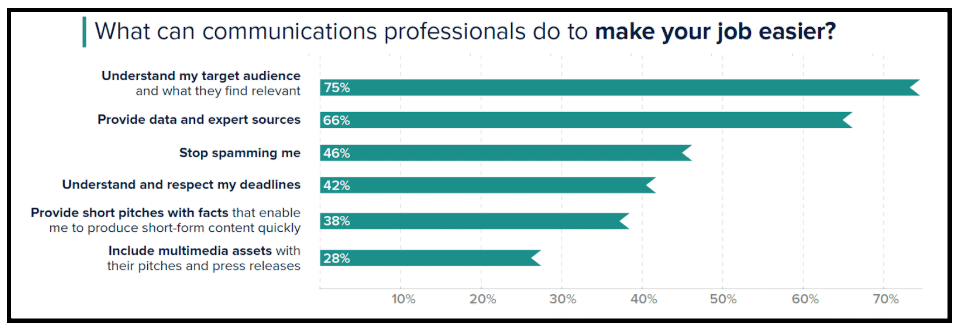
Speak clearly. Journalists prefer sources who translate complexity into plain language. They avoid experts who over-explain, hedge, or sound academic. Clarity wins. Precision wins.
Show up where journalists actively search for sources. Platforms like Connectively and Qwoted function as live demand channels. Reporters ask. Experts answer. Consistent participation builds familiarity, and familiarity compounds into recurring coverage.
3 Secrets to Effective Media Engagement
Use the pointers here to know what to deliver to journalists.
1. Writing a perfect pitch
Good pitches are short and specific. Lead with your angle, reference something the reporter recently covered, and explain why their readers will care right now. Then say what you’re offering: exclusive data, access to an expert, a counterintuitive insight.
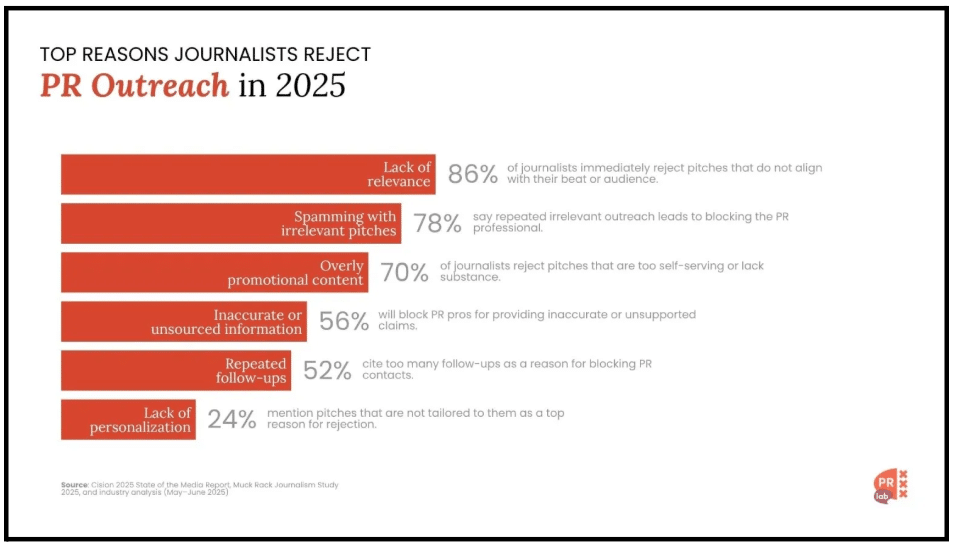
You could also reference their recent work. Show how your story builds on something they already care about.
Journalists prefer email and hate long blocks of text. Keep it tight, link to assets, and give them a quick window for when your spokesperson is available.
Read our guide on how to get journalists to stop ignoring you.
2. Use press releases well
Press releases work when they contain actual news. Write in AP style, lead with what’s new, include useful quotes, and attach good visuals.
If your announcement isn’t strong enough for a standalone release, try a media note, a contributed article, or an exclusive with one outlet instead.
Two upgrades most teams skip:
- Add a paragraph that explains what your news means for the broader market, not just your company.
- Include a simple data table or chart with your methodology. Reporters will use clean numbers they can cite quickly.
The point is to give them valuable, data-rich content. The quicker and easier you make it for them, the more it will be for you.
What to Avoid
The same qualities that make brands quotable, bold takes, fast responses, and steady output create new risks.
Overexposure dilutes your authority. If you comment on everything, your quotes start to blend. You can’t have an opinion about everything, or submit a pitch for a summer recipe when you work in B2B SaaS. Pick your lane.
Speed can backfire. Moving fast is good until you say something before the facts are clear. Set up quick internal checkpoints for sensitive topics.
Bryan Henry, President of PeterMD, works in a category where public health discussions evolve quickly, and incomplete information can spread easily.
Henry says, “Speed matters, but accuracy matters more. When new studies or trends emerge, there’s pressure to comment immediately. The companies that protect their credibility verify what they’re saying first. Journalists remember sources who provide clear, responsible context. They also remember the ones who speculate. Over time, that difference determines who gets called back.”
Message drift happens when multiple spokespeople talk to multiple outlets without coordination. Your core story fragments.
Practical fixes:
- Build a message house. Include three to five core points, and refresh it weekly.
- Run light media training for anyone likely to be quoted.
- Keep preapproved language for sensitive topics and a fast path to legal review.
- Track where your quotes land so you can correct the record quickly if something gets mangled.
Turning This Into a System
Brands that always get quoted understand how news works, invest in real relationships, create angles that matter today, and make their expertise easy to use. They move fast without getting sloppy.
They publish on a rhythm reporters can rely on.
Start small this month:
- Map 15 journalists who cover your space and review their recent work.
- Create a simple expert bios page and asset folder.
- Draft a rapid-response checklist and a core message document.
- Plan one piece of original data or analysis you can publish on a regular schedule.
If you want help building this into a system, Agility PR Solutions offers tools to find the right journalists, monitor coverage, and track what’s working. Check out the media database, monitoring, and newsroom resources at agilitypr.com.