You are well aware that when you are planning a trip (or even just picking a new restaurant), you never choose where to go based on ads. You choose based on proof.
A friend’s comments suggested this place is unreal, backed by a 200-comment Reddit thread. Despite this, the hotel’s name still appears in Google results. A TikTok shows a café that looks like a movie set, and a “best neighborhoods to stay” article is more trusted than the hotel’s website.
Those comments and reactions are earned media, and it silently determines where people visit, where they stay, and what they do when they get there.
We can simplify it in a human manner, and then demonstrate how to win more of it (without being desperate or salesy).
What Earned Media Actually Means (In Real Life)
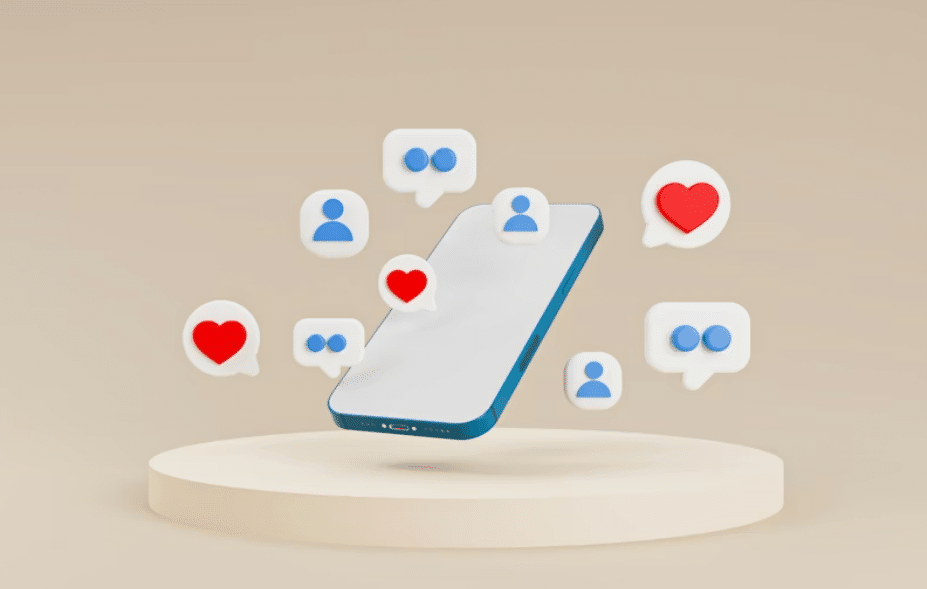
Earned media is traffic that has not been purchased and which you cannot fully control. It appears when other human beings, clients, artists, reporters, and societies discuss you simply because they want to, not because you purchased the placement.
Earned media is everywhere. Google ratings and “Popular times,” blog “Top 10” lists that shape your shortlist, Reddit threads that feel more honest than marketing, and Instagram Reels that turn spots into must-visits. Sometimes it’s instant; one quote-tweet pile-on can boost (or damage) a brand overnight.
The reason earned media hits differently is simple: it doesn’t feel like persuasion. It feels like information. And when people are spending money, planning time, and trying to avoid regret, information wins.
Why Earned Media Matters So Much Now
Modern travel and local discovery are basically a trust puzzle. People are not really questioning, what is the best hotel? They are inquiring which one is the safest that will not let me down. Earned media can help them settle on the choice by answering questions like: is it worth it, is it overrated, will it be what the photos claim, will I feel comfortable, and will I regret making the booking?
This is why the effect of earned media on behavior is so powerful. It reduces uncertainty.
And the more expensive or emotional the decision (honeymoon hotel, family trip, once-a-year vacation), the more people rely on third-party validation.
How Earned Media “Moves” People: The Psychology Behind It
You don’t need marketing jargon to understand why it works. It’s mostly three forces:
1. Social Proof
It makes people enthusiastic when the hotel possesses 1,800 reviews with a steady rating, but when a restaurant possesses 12 reviews, it makes people doubtful, not because it is bad, but because it has less social proof. In practice, volume, recency, and specific details create trust.
2. Credibility Transfer
A respected travel newsletter, a reputable publication, or even a well-known creator, these references act like borrowed trust.
People don’t have time to deeply research everything. So they outsource trust to sources they already believe. An example is when earned media highlights the freedom to live anyplace and work anywhere; it doesn’t just inspire wanderlust, it actively shapes how people choose furnished apartments that support flexible, location-independent lifestyles.
3. Algorithmic Reinforcement:
The more people discuss it, the more platforms showcase it. This creates a compounding effect; increased searches enhance visibility, encouraging saving and sharing, which further spreads it.
They post so new people discover it, and that discovery drives more bookings and visits, which in turn create even more posts. Earned media isn’t just reputation. It becomes a distribution.
How Businesses Can Earn More Media (Without Being Annoying)
Here is the main point: what you are capable of doing.
1. Create “Shareable Moments” on Purpose
Stop following fads, make things people will actually desire to discuss. A welcome ritual that should be filmed, a signature detail (a scent, drink, view, or design touch), or a little surprise upgrade that makes guests feel noticed. Ask yourself, “If someone were to give a single sentence describing us, what would it be?” Remember, if you’re unsure, your customers likely won’t be either.
2. Build a Review Habit, Not a Review Campaign
Spikes of reviews disappear; consistency builds. Request reviews immediately after the happy moment (checkout, a wonderful meal, a painless tour), touchless via a QR code or a short link, and respond not in a template fashion but as a person.
3. Become Easy to Recommend
People recommend what’s easy to explain. “It’s a nice place” is forgettable, but “the quiet boutique hotel with rooftop breakfast, five minutes from everything” sticks, so craft a clear “recommendation sentence” people can repeat.
4. Show Receipts (Especially When Things Go Wrong)
Earned media can turn negative fast. The brands that win don’t argue. They clarify, fix, and show proof.
An honest answer to a genuine solution builds more trust than pretending nothing is wrong. In addition, you cannot repair what you do not get to see. Media monitoring gives you the chance to spot problems early and act before they get out of control.
5. Give Creators Access Without Forcing Coverage
Earned media increases when it becomes simple to experience and share. Bring in locals, give backstage tours, provide a mini itinerary, but do not script it. People can smell “forced content” from miles away.
Conclusion
Earned media isn’t just a nice bonus. It’s the invisible hand guiding modern decisions. It influences where people go, stay, and explore by reducing uncertainty, providing social proof, conveying credibility, and triggering algorithmic distribution.
And if you’re a business in travel, hospitality, experiences, or local discovery, the goal isn’t “go viral.”
The goal is simpler (and more sustainable). Be worth talking about and be easy to trust once people start talking.