
When a crisis hits, your timing and strategy determine whether you’re guiding the story or getting steamrolled by it.
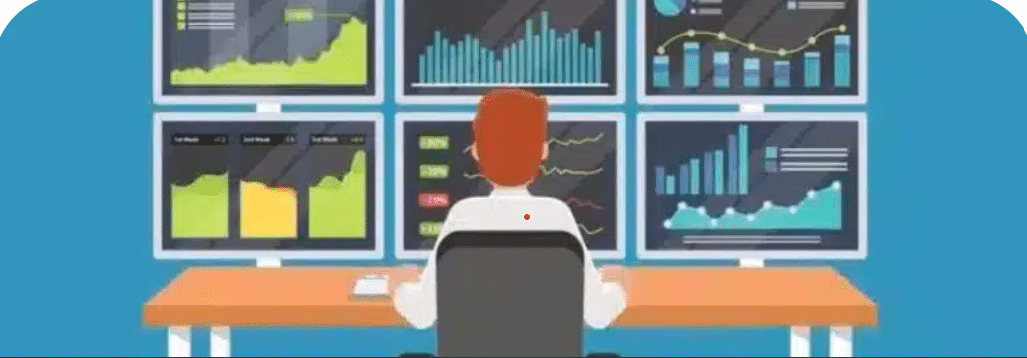
Media monitoring gives you the awareness to see the full landscape, react in real time, and keep your team aligned. Instead of guessing where the conversation is going, you’ll have the evidence to respond decisively … and that changes the outcome.
Here’s why media monitoring supports your crisis management plan to be faster, sharper, and more effective. 👇
1. Catch early signs before they escalate
Subtle shifts in conversation can signal a brewing crisis long before it becomes headline news.
Media monitoring helps you see those early mentions so you can act while the situation is still manageable.
With early awareness, you can investigate the facts, validate sources, and choose the right response before the story grows legs. (If a product complaint surfaces on Reddit, you can address it directly, and prevent it from reaching mainstream coverage.)
This proactive step alone can shave days off the crisis timeline and keep the damage contained.
2. Focus on the voices that actually influence perception
Not all coverage carries the same weight. A single tweet from an industry thought leader can have more impact than dozens of smaller mentions.
Media monitoring identifies who’s shaping the narrative so you can target your response where it matters most.
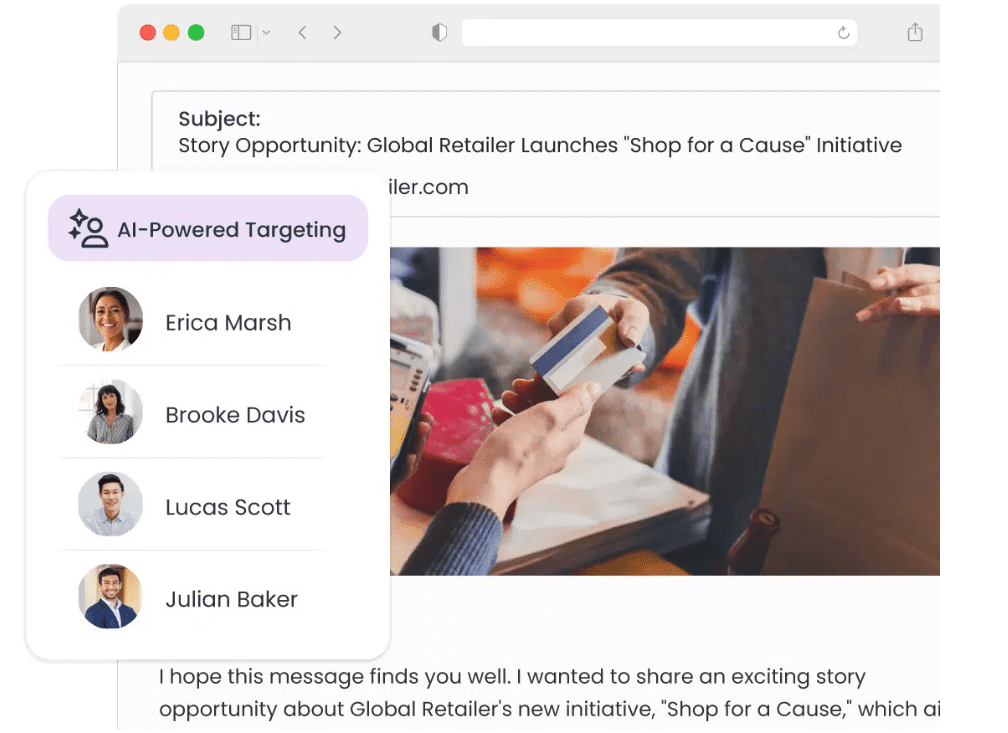
If a journalist or content creator is framing the story inaccurately, you can address them directly to shift how the entire audience perceives the situation. This helps keep your resources concentrated on high-impact interactions instead of spreading your team thin across low-visibility chatter.
3. Interrupt misinformation before it hardens into public belief
False or distorted narratives move quickly, often faster than official statements.
Media monitoring lets you track exactly where misinformation starts and how it spreads, so you can set the record straight before it becomes widely accepted.
This is especially important in closed communities or smaller platforms, where fact-checking rarely reaches without deliberate effort.
4. Read sentiment shifts as they happen
Numbers alone don’t tell the full story. The coverage tone can change the brand risk level dramatically. Monitoring sentiment in real time shows whether your current approach is calming concerns or fueling frustration.
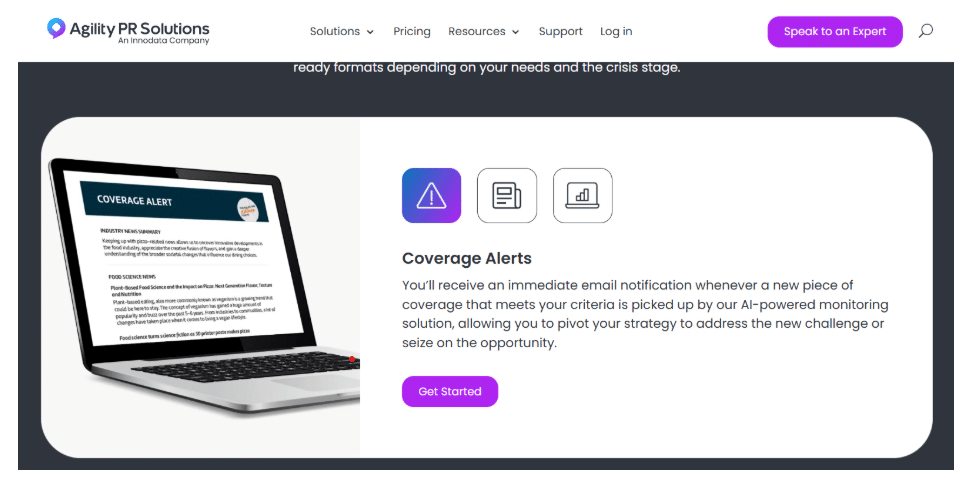
For example, if sentiment turns sharply negative after an initial press release, it’s a sign to recalibrate your messaging.
A steady improvement in tone, on the other hand, confirms your crisis strategy is working. (You should be able to stay the course without escalating further.)
5. Keep every department working from the same facts
Crisis response breaks down PR, operations, leadership, and legal teams all operate on different timelines or event interpretations.
Media monitoring serves as a single source of truth, so everyone gets access to the same data and updates. When everyone sees the same coverage, timelines, and sentiment analysis, you can better avoid contradictions in public statements and reduce internal friction.
This supports a coordinated, unified message that inspires more trust. Both inside and outside of the organization.
6. Measure the real impact of your actions
If you can’t measure how the conversation changes after each step you take, you’re working in the dark. Media monitoring gives you that measurement. You can see exactly how each statement, press conference, or policy decision affects coverage and public opinion.
This helps you review what worked and analyze how to adjust mid-crisis.
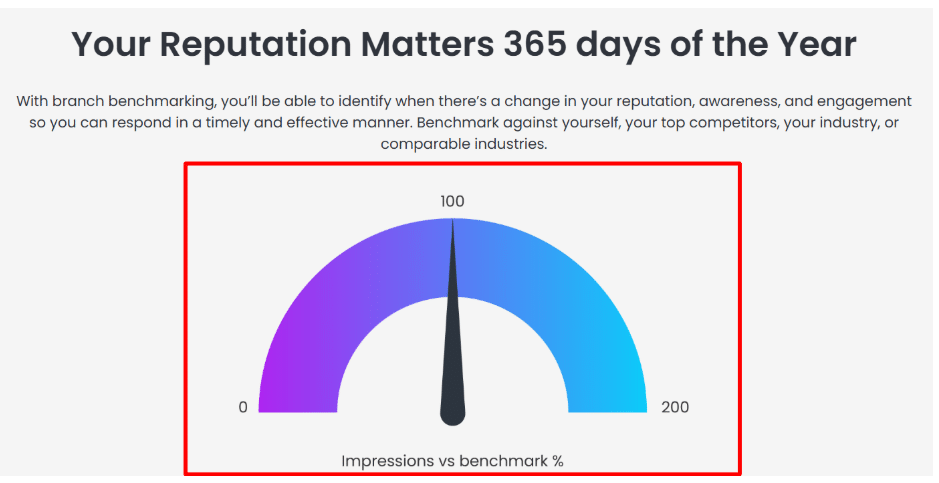
If your message isn’t landing, the data shows it in time to pivot. (This flexibility can be the difference between a crisis that drags on and one you resolve quickly.)
7. Build a playbook from every experience
Every crisis leaves a trail of valuable data.
You can learn from timelines, influencer lists, sentiment changes, and coverage spikes. Media monitoring turns those into a documented record you can study and use to improve your next response.
If you do this over time, your records can help you form a tailored crisis playbook.
(You’ll know which journalists to contact first, how quickly sentiment shifts, and what early warning signs matter most in your specific industry.)
The next time a crisis emerges, you’ll operate from proven, real-world insights instead of starting from scratch.
How to implement media monitoring in your crisis plan
If you’re ready to integrate media monitoring into your crisis management prevention or response plan, start here:
- Choose a monitoring tool with real-time alerts. (Look at our crisis management toolchest.)
- Create a comprehensive list of brand and risk-related keywords.
- Map key influencers and journalists in your space.
- Set baseline sentiment scores for comparison.
- Establish a central crisis dashboard accessible to all departments.
- Assign a dedicated monitoring lead during high-risk periods.
- Archive every mention and coverage piece for future analysis.
These steps give you a functional, ready-to-activate system before a crisis even begins.
Apply it where the stakes are highest
In finance, healthcare, and other regulated industries, such as the life settlement market, media monitoring serves as a risk mitigation strategy.

In the financial sector, for example, inaccurate reports about market moves or company health can cause immediate investor reaction. Quick detection and targeted correction can protect credibility and keep panic from spreading.
Your best defense: Create real-time alerts with a trained crisis team if you’re in a high-stakes industry. This helps prevent false narratives from triggering costly, irreversible consequences.
You can also set up crisis simulation scenarios and walk your crisis response team through how to handle each of them.
Avoid the common mistakes
Even the best monitoring tools won’t save you from poor execution.
Be sure to watch for these pitfalls when you’re media monitoring.
- Over-relying only on automation for public relations (PR). Algorithms can miss nuance. Make sure to also have human review scopes of process in place to add context.
- Working in silos. If you’re not sharing your monitoring data, you lose its full value. Your public relations team needs to know how to access this.
- Ignoring closed channels. Private groups and niche platforms can be where crises escalate fastest, so don’t skip monitoring these.
TL;DR:
Crisis management depends on timing, clarity, and coordination.
Media monitoring delivers all three by showing you what’s happening, who’s driving the conversation, and how sentiment is shifting. It equips your team to act intentionally and learn from every situation.
Set up emergency response plans. If you want your next crisis response to be faster and more controlled, start building your media monitoring framework and crisis communication strategy now — before you need it.
Need help with media monitoring for crisis and reputation management?
Book a demo to learn about our approach to crisis management.