
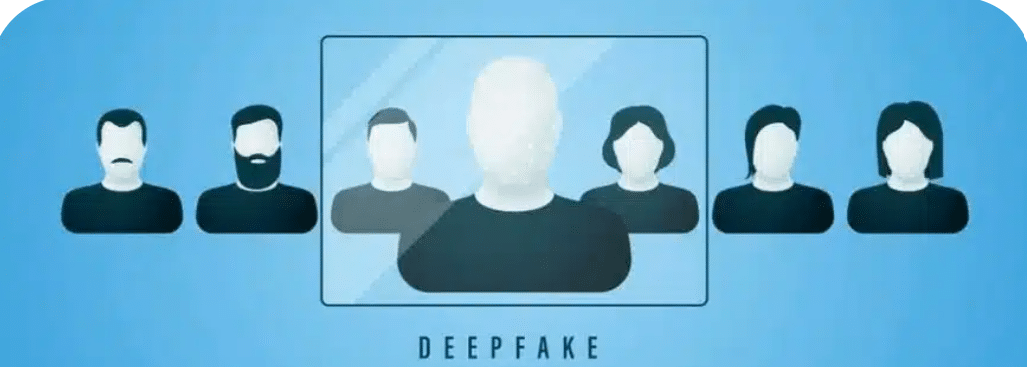
Deepfakes have officially become one of the most dangerous threats to brand reputation in the digital era. What was once experimental tech used for entertainment has evolved into a powerful and harmful weapon capable of damaging individuals, companies, and institutions within minutes. As artificial intelligence becomes more sophisticated, deepfakes grow harder to detect yet their impact grows more severe. For PR teams, this means crises now unfold faster than verification processes can keep up with. The result is an urgent need for new strategies, new tools, and a completely new mindset. In the age of deepfakes, traditional crisis communication frameworks are no longer enough. Brands must be prepared for misinformation attacks that look real, sound real, and spread faster than truth.
A New Threat Landscape
The communication landscape has always been vulnerable to misinformation, but deepfakes represent a new category of risk. Unlike text-based rumors or photoshopped images, deepfakes create video and audio content so realistic that even trained professionals may struggle to identify what is fake. This completely changes the crisis communication dynamic. Instead of reacting to baseless allegations or controversial comments, PR teams now face fabricated “visual evidence” capable of reshaping public opinion almost instantly.
In recent years, we’ve seen deepfake incidents involving political leaders, CEOs, brand spokespeople, and even ordinary employees. Some of these cases led to stock market drops, legal action, viral outrage, and widespread confusion before being debunked. The frightening part? Most deepfakes are designed with the intention to manipulate emotions—often before a company even realizes something is wrong. This means brands must accept a simple truth: the first few minutes after a deepfake surfaces can determine whether they protect their reputation or lose control of the narrative.
Why Deepfakes Are a PR Crisis Nightmare
Deepfakes are uniquely dangerous because they attack the foundation of trust. When audiences see a video of a CEO admitting wrongdoing, announcing product failures, or taking a political stance, their natural reaction is to believe what they see. Humans trust visuals more than text because visuals feel “direct” and “unfiltered”—and deepfakes exploit that psychological bias. Even after a deepfake is proven false, many people continue believing it simply because the visual memory remains stronger than the correction.
Another reason deepfakes are a PR nightmare is the speed at which they spread. Social media platforms amplify sensational content, and deepfakes are designed to shock. By the time a company becomes aware of the misinformation, hundreds of thousands—or even millions—may have already viewed and shared it. Verification takes time, internal approvals take time, and preparing a response takes time. Yet deepfake attacks demand responses in minutes, not hours. This mismatch between crisis escalation and crisis response puts PR teams at a major disadvantage.
Finally, deepfakes create long-term damage. Even after correction, public confidence may decline. Investors may hesitate. Customers may lose trust. Journalists may become cautious. Deepfakes do not just create short-lived confusion—they create lingering doubt. That doubt is what makes them one of the most complex and dangerous reputation threats in today’s media ecosystem.
Types of Deepfake Scenarios Brands Must Expect
Organizations can be targeted through deepfakes in multiple ways, each capable of triggering crises. One of the most common scenarios is executive impersonation. A deepfake video of a CEO announcing layoffs, bankruptcy, legal violations, or controversial opinions can cause immediate panic among employees, investors, and customers. Markets can drop within minutes. News channels may pick up the content before it’s verified, amplifying the damage. Even after clarification, the incident leaves lasting uncertainty about leadership integrity.
Another growing category involves fabricated product failures. Imagine a deepfake showing a product exploding, malfunctioning, or harming someone. Such videos spread quickly because they evoke fear. Even after proving the footage is fake, the emotional impact remains—and competitors often seize the opportunity to plant doubt. These incidents can cause long-term brand perception issues, especially in industries like food, manufacturing, transportation, and healthcare.
Brands may also experience deepfake endorsements or political involvement. A fabricated video of a celebrity endorsing a product can lead to legal complications and public backlash. Similarly, if someone creates a deepfake that makes a brand appear to support a politically sensitive issue, the result may be boycotts, media backlash, and global controversy. For PR teams, the challenge is not just disproving the content but also repairing the emotional damage it creates.
Lastly, internal deepfakes are becoming more common. Attackers create fake audio of executives instructing employees to transfer money, leak information, or reveal internal data. These incidents quickly escalate into PR crises when exposed, because they raise concerns about internal security and employee vulnerability. Every organization must treat these scenarios as realistic threats—not hypothetical ones.
Early Warning Systems: Detecting Deepfakes Before They Spread
One of the biggest weaknesses in crisis communication is late detection. A deepfake that spreads unchecked for even 30 minutes can create irreversible damage—so the first line of defense is a fast and reliable monitoring system. Modern AI-powered media monitoring tools can identify unusual spikes in conversation, suspicious video activity, or patterns that typically accompany misinformation attacks. These tools scan social media, online communities, blogs, and news platforms for anything unusual related to a brand. For suspicious still images or frames extracted from a circulating video, an AI image detector can help teams identify possible signs of synthetic generation or manipulation before escalating the content for more detailed forensic analysis.
Social listening also plays a critical role. When sentiment suddenly shifts from neutral to negative, or when a phrase or hashtag trends unexpectedly, it often signals a deeper issue. PR teams must rely on real-time dashboards that highlight abnormal activity—because in deepfake crises, early awareness equals early control.
A more advanced layer involves dark-web and closed-group intelligence. Many deepfake attacks are planned in private spaces before being released publicly. Companies that invest in threat intelligence can identify chatter about potential attacks before they go live. This allows brands to prepare statements, alert leadership, and coordinate with cybersecurity teams ahead of time.
Finally, organizations must establish instant internal communication channels. When a suspicious video or audio clip appears, the PR team must be alerted immediately—not hours later. This requires automated alerts, clearly assigned monitoring roles, and continuous collaboration between PR, cybersecurity, and legal teams. Early detection is not optional; it is the only way to reduce the severity of a deepfake-driven crisis.
Building a Deepfake-Ready Crisis Communication Playbook
A traditional crisis plan is insufficient in the deepfake era. Brands need a dedicated deepfake response framework. The first element of this framework is a verification protocol. The moment suspicious content appears, the team must know exactly who is responsible for verifying it, what tools will be used, and how quickly this verification must be completed. Without this clarity, valuable time is lost.
PR teams must also prepare pre-approved statements specifically designed for misinformation attacks. These statements should acknowledge the situation, communicate that verification is ongoing, and assure stakeholders that updates will be provided shortly. Pre-drafted messaging ensures speed and consistency—two factors that determine how well a brand controls the narrative.
Internal communication is equally important. Employees must be informed before the public to prevent confusion and rumors. If an executive is deepfaked, employees must hear directly from leadership, not social media. This strengthens internal trust and reduces the risk of employees accidentally spreading the misinformation themselves.
Cross-functional coordination is another crucial component. PR cannot handle deepfake crises alone. Cybersecurity, legal, executive leadership, and IT must work together as one cohesive unit. Each department plays a unique role—PR manages public perception, cybersecurity validates the content, legal ensures accuracy, and leadership communicates authority. Only a unified response can effectively neutralize a deepfake crisis.
Responding to a Deepfake Attack: Step-by-Step
When a deepfake attack occurs, the timing and tone of the response can determine whether the organization maintains control or loses credibility. The first step is immediate verification. Without confirming whether the content is real or fake, brands risk issuing inaccurate statements—which can worsen the crisis. Verification teams must move quickly but carefully, using technical analysis and internal records.
Once verification is underway, the organization should pause all scheduled communication. Marketing posts, automated messaging, and unrelated announcements can be misinterpreted during a crisis. Silence is not weakness—it is strategic. It allows the PR team to focus entirely on the crisis.
After verification, the PR team must release an initial statement acknowledging awareness of the circulating content. This does not require full details—it simply shows the brand is alert, responsible, and in control. This prevents speculation from spiraling and buys time for a fuller response.
When the deepfake is confirmed, the brand must issue a clear, factual explanation through official channels. This message should include supporting evidence such as logs, technical analysis, timestamps, or expert verification. Transparency is essential. The more evidence provided, the faster audiences regain trust.
The final step is continuous communication. A single statement is not enough. PR teams must provide regular updates until the situation is fully contained. Afterward, a post-incident report helps rebuild trust and demonstrates accountability.
Legal & Ethical Considerations
Deepfake incidents are not only PR challenges—they are legal minefields. Many deepfakes violate defamation laws, privacy regulations, and in some cases, criminal statutes. PR teams must involve legal experts early to determine whether to pursue action against the creators or distributors of the misinformation. The legal team can also ensure the brand’s public messaging remains compliant and defensible.
Ethically, brands must respond with integrity. The solution to misinformation is not more misinformation. PR teams must avoid exaggerating, speculating, or assigning blame without evidence. Ethical missteps during a crisis can become crises themselves.
Additionally, brands must preserve all evidence. Every copy of the deepfake, every message discussing it, and every communication related to the incident may be required for legal review, insurance claims, or regulatory compliance. Proper documentation is essential to protecting the organization long after the crisis ends.
Long-Term Reputation Protection Strategies
Deepfakes are not temporary. They are becoming more common, more realistic, and more weaponized. This means organizations must invest in long-term protection strategies. One of the most effective strategies is adopting advanced AI-driven verification tools. These tools analyze video and audio content in real time and detect manipulation at a technical level.
Brands should also conduct deepfake crisis simulations, similar to fire drills. These simulations reveal weaknesses in communication processes, highlight delays, and help PR teams respond calmly under pressure.
Building strong relationships with journalists is another powerful long-term strategy. When misinformation spreads, journalists who trust the brand will reach out for verification before publishing. This can significantly reduce the spread of harmful content.
Lastly, companies must invest in transparency as a brand value. Brands that consistently communicate clearly and honestly recover from crises faster. Trust is a currency—and the more a brand has built over time, the better it can withstand misinformation attacks.
Conclusion
The rise of deepfakes marks a turning point in the world of PR and communications. The threat is real, the speed is unprecedented, and the consequences can be severe. Brands that rely on outdated crisis strategies will fail to respond effectively. The organizations that succeed will be those that embrace new tools, prepare specialized playbooks, train their teams for misinformation threats, and prioritize transparency above all else.
In the age of deepfakes, the question is not whether a crisis will occur—it’s how prepared your PR team will be when it happens.