News and ideas are circulated more quickly than ever in our modern world. Information about a firm, brand, or public figure may easily reach a worldwide audience in a matter of minutes due to the millions of posts, videos, and articles that are published online every second. It has become crucial to monitor what individuals are saying in such a fast-paced setting.
This is where media monitoring comes in. It helps both people and businesses stay conscious of their online presence and public image. With the power of artificial intelligence (AI), advanced analytics, and real-time insights, media monitoring has now evolved into a more intelligent, accurate, and highly responsive tool for understanding conversations as they happen.
Understanding Media Monitoring
The main purpose of media monitoring is to keep track of what media outlets are saying about your company, sector, or rivals. Every platform counts, from blogs, podcasts, and television content to social media posts and online news. It used to take hours to keep up with this information, whether it was by manually cutting out magazine papers, harkening to radio programs, or searching through journals. It took a lot of time and was constantly lacking. That is not the case now. Media monitoring has improved in speed, delicacy, and understanding thanks to contemporary tools and AI- powered systems.
How AI is Transforming Media Monitoring
The way media monitoring is done now has been totally transformed by artificial intelligence. Traditional tools were unable to truly comprehend what people meant in the past; they could simply gather mentions and provide reports. AI can now read between the lines, though. It analyzes a message’s words, tone, and even visuals to determine its emotion, intent, and context.
A scathing tweet about a product, for instance, would have been interpreted as a good comment by prior algorithms. Conversely, AI can identify sarcasm and appropriately interpret it as unfavorable criticism. AI’s capacity to swiftly process enormous volumes of data is another significant benefit. It can forecast what might occur next in addition to displaying what people are saying. Predictive media intelligence, which helps brands remain ahead of the curve in managing their reputation and communication strategy, is the capacity to predict future trends or challenges.
The Power of Analytics in Media Monitoring
AI helps with data collecting and understanding, while analytics turns the data into meaningful knowledge. further than just the number of times your company has been mentioned, ultramodern analytics tools also show the identity, position, and reputational impact of those exchanges.
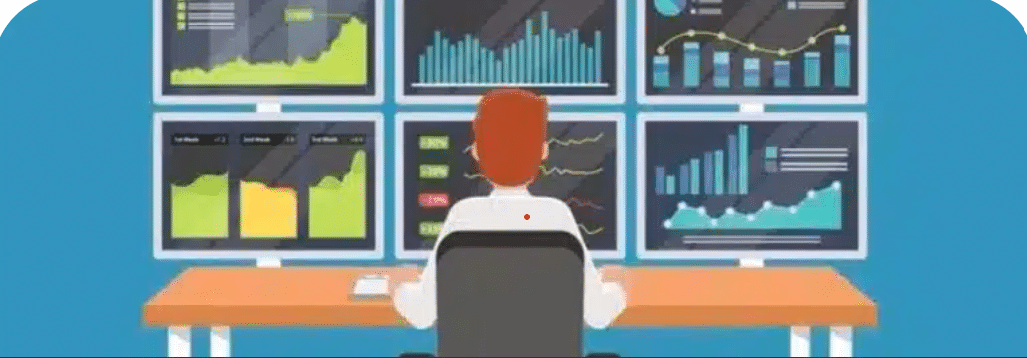
Imagine a dashboard that shows not only the number of mentions but also their reach, engagement, and sentiment trends over time. This helps companies identify influential people and measure public response to advertisements.
or new products, and assess the success of their marketing operations.
Real Time Insights
Media updates used to arrive once a day or even once a week. By the time those reports reached your office, the story had already changed, sometimes completely. Today, there is no such delay. With real-time information, businesses can follow the story as it unfolds.
When a critical comment begins to gain attention, companies no longer have to wait for the next report to respond. They can take immediate action, address the issue, and protect their reputation before it gets out of hand. Positive situations are no different; teams can quickly build awareness and capitalize on momentum when a campaign suddenly gains traction.
Key Trends Shaping the Future of Media Monitoring
The world of media monitoring is evolving presto, thanks to AI and advanced analytics. The following significant trends are altering how companies cover and comprehend their media presence
Smarter AI for deeper understanding
AI is now learning to comprehend meaning rather than only searching for keywords. These days, tools can identify a communication’s tone, sentiment, and indeed affront. As a result, marketers are able to see much more easily how consumers actually feel about them on the internet.
Predictive analytics is taking the lead
Instead of being reactive, media monitoring is now proactive. By analyzing conversational patterns, AI can use predictive analytics to identify future trends or catastrophes. This aids brands in planning their approaches before issues ever occur.
Why Businesses Should Care
The takeaway for businesses is that clear media monitoring is now a strategic necessity rather than a choice. Public opinion changes swiftly in the moment’s networked world. A single viral post can reach thousands of people in a matter of hours. Without real- time insight, businesses risk missing out on openings or replying to risks too slowly. By using AI- powered monitoring and analytics, businesses can enhance decision-making, protect their brand, and develop stronger connections with their cult. Beyond simply collecting data, these tools help you identify what matters most to your guests and company.
Conclusion
Intelligent, quick, and prophetic media monitoring is the way of the future. Tools will comprehend meaning, emotion, and implicit impact rather than just tracking mentions. Opinions will now be made using real-time data and intelligent analytics.
Companies will remain ahead if they adopt these adjustments. In a world where knowledge never sleeps, they will react more quickly, establish better reputations, and make more intelligent decisions. Not only is media monitoring driven by AI, analytics, and real-time insights the way of the future, but it is already here and is changing our perception of the world.