
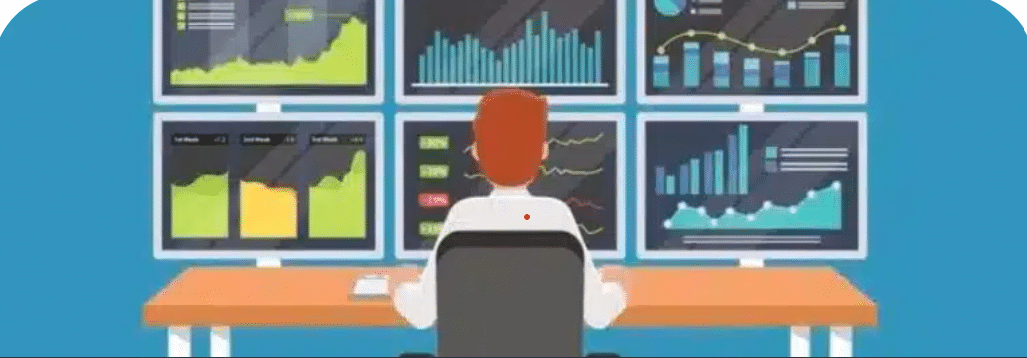
In today’s always-on media environment, crises no longer develop gradually or give brands the luxury of time. A single post, comment, or headline can trigger rapid amplification across social platforms, online news, and search results within minutes, reshaping public perception before communications teams even become aware of the issue. Traditional monitoring approaches—daily reports, manual scans, or reactive media tracking—were designed for a slower news cycle and are structurally mismatched with the speed of modern crises. By the time a potential issue appears in scheduled coverage summaries, the narrative may already be entrenched and difficult to reverse. This growing speed gap has fundamentally changed the nature of crisis management. Real-time media monitoring is no longer a supporting tool but a core operational requirement, enabling organizations to detect early signals, assess momentum, and respond while narratives are still forming. Without real-time media monitoring for crisis management, brands remain exposed to escalation they can no longer control.
How Crisis Signals Actually Form Before Headlines
Crises rarely announce themselves through breaking news alerts or front-page headlines. In most cases, they begin quietly, emerging as weak signals scattered across digital channels—an isolated complaint gaining unexpected traction, a subtle shift in sentiment within online conversations, or a niche influencer reframing an issue in a way that resonates beyond its original audience. These early indicators are easy to dismiss when viewed in isolation, yet collectively they form the foundation of a much larger reputational threat. The challenge for organizations is that these signals surface long before traditional media takes notice, often in spaces where attention is fragmented and velocity is high.
Early crisis detection depends on continuous media monitoring rather than periodic review. Scheduled reports and retrospective analysis are designed to summarize what has already happened, not to identify patterns while they are still forming. As a result, many brands miss the moment when intervention is still possible. They monitor volume instead of trajectory, keywords instead of context, and major outlets instead of the digital ecosystems where narratives originate. By the time coverage becomes visible at scale, the story has usually passed through multiple cycles of interpretation, amplification, and emotional framing.
Real-time monitoring allows organizations to observe how conversations evolve, which voices are driving momentum, and how sentiment shifts across platforms. This visibility is critical for distinguishing routine criticism from emerging crises and for understanding when a developing narrative requires immediate attention rather than delayed response.
Why Timing, Not Volume, Determines Crisis Severity
In crisis management, severity is rarely determined by how much coverage an issue ultimately receives, but by how quickly public perception shifts once the narrative begins to take shape. Volume is a lagging indicator; by the time coverage spikes, the reputational impact has often already occurred. What matters far more is the speed at which sentiment turns and how long a brand remains unaware while that shift accelerates. Delayed awareness allows assumptions, misinformation, and emotional reactions to fill the vacuum, making later responses appear defensive or insincere.
When organizations operate without real-time visibility, they are forced into reaction mode, responding after narratives have hardened and expectations have been set by external voices. Each hour of delay compounds reputational risk, as digital conversations continue to spread across platforms, reinforcing the same storyline through repetition and social proof. In contrast, early intervention can significantly flatten escalation curves. Addressing an issue while it is still forming allows communications teams to clarify context, correct inaccuracies, and signal accountability before criticism becomes widespread.
Real-time media monitoring makes this early response possible by identifying momentum shifts rather than waiting for peak attention. It enables teams to engage during the formation stage of a crisis, when perception is still fluid and outcomes are not yet predetermined. By prioritizing timing over volume, organizations move from damage control to narrative influence, preserving trust before it is meaningfully eroded.
The Role of Contextual Intelligence in Crisis Assessment
Raw media mentions and keyword alerts provide visibility, but on their own they offer little guidance in a crisis environment where speed and accuracy are critical. Not every spike in conversation represents a reputational threat, and treating all mentions as equal often leads teams to overreact to noise or, worse, underestimate genuine risk. Effective crisis assessment requires contextual intelligence,the ability to understand not just what is being said, but who is saying it, how it is being framed, and why it matters at that moment.
Sentiment analysis adds an essential layer by revealing emotional direction rather than surface-level volume. A small number of highly negative mentions from credible or influential sources can be more dangerous than widespread neutral chatter. Source credibility further sharpens this understanding by distinguishing between routine criticism from low-impact accounts and narratives driven by journalists, industry experts, or trusted creators with amplification power. Narrative clustering helps identify whether isolated comments are converging around a common theme, signaling the emergence of a coherent storyline rather than random dissatisfaction.
Historical context completes this picture by showing how similar issues have evolved in the past and whether current patterns represent escalation or repetition. Intelligent media monitoring brings these dimensions together, allowing teams to separate transient noise from meaningful signals. This clarity enables faster, more confident decision-making, ensuring attention and resources are directed toward issues with real potential to damage reputation rather than everyday digital friction.
Decision-Making Under Pressure: Why Real-Time Data Matters
Crisis situations dramatically compress decision timelines, forcing organizations to assess risk, align stakeholders, and respond under intense pressure. In these moments, hesitation is rarely strategic, yet acting without accurate information can be equally damaging. Real-time data becomes the stabilizing force that allows teams to move quickly without sacrificing judgment. Live dashboards, intelligent alerts, and ongoing trend analysis provide a shared, up-to-the-minute view of how a situation is evolving across media and digital channels.
For PR leaders, real-time visibility clarifies whether an issue is accelerating, stabilizing, or losing momentum, shaping response tone and timing. Legal teams rely on the same data to evaluate exposure, misinformation, and potential regulatory implications before narratives harden. Executives, often required to make high-impact decisions with limited context, benefit from concise, real-time intelligence that replaces assumptions with evidence. This alignment reduces internal friction and shortens approval cycles at precisely the moment speed matters most.
The cost of acting on incomplete or outdated information is significant. Responses based on yesterday’s data can misjudge sentiment, overlook emerging narratives, or address the wrong audience entirely. Such missteps not only fail to contain the crisis but may intensify it by signaling confusion or detachment. Real-time media monitoring ensures decisions are grounded in current reality, enabling coordinated action that reflects how stakeholders are actually responding in the moment, not how teams assume they might be reacting.
From Detection to Coordination: Enabling Faster Response
The transition from crisis detection to effective response depends largely on how well internal teams are aligned under pressure. In many organizations, delays occur not because signals are missed, but because information is fragmented across departments. Communications, marketing, legal, and leadership teams often operate from different data sets, creating confusion at the exact moment clarity is needed most. Real-time media monitoring addresses this challenge by establishing a shared source of truth that keeps all stakeholders grounded in the same evolving reality.
When teams have access to the same live dashboards, alerts, and narrative insights, alignment happens faster. Communications teams can shape messaging based on current sentiment and media momentum, while marketing teams understand when to pause or adjust campaigns to avoid reputational missteps. Legal teams gain early visibility into emerging risks, allowing them to advise without slowing response timelines unnecessarily. Leadership, in turn, can make informed decisions without relying on secondhand summaries or delayed reports.
This shared visibility significantly accelerates approvals by reducing back-and-forth clarification and minimizing uncertainty. Messages move through review cycles more efficiently because decisions are anchored in real-time evidence rather than assumptions. Just as importantly, it ensures consistency. In high-pressure situations, conflicting statements can erode trust and amplify scrutiny. Real-time monitoring enables coordinated, unified communication that adapts as narratives evolve, helping organizations respond with speed, confidence, and coherence when it matters most.
Measuring Crisis Impact While It’s Still Unfolding
Measuring the impact of a crisis cannot be treated as a retrospective exercise. Waiting until a situation has stabilized to analyze coverage, sentiment, and stakeholder reactions limits the ability to intervene effectively. In today’s fast-moving media landscape, crisis measurement must be approached as a live process using real-time media monitoring for reputation management, allowing organizations to assess influence and adjust strategy while events are still unfolding. By tracking key indicators continuously, teams gain insight into how narratives are evolving, which messages are resonating, and where reputational risk is concentrating.
Real-time sentiment analysis provides an immediate view of public perception, highlighting shifts in tone that might otherwise go unnoticed until after the fact. Narrative dominance monitoring identifies which storylines are gaining traction across media and social platforms, enabling teams to address misinformation, clarify context, or reinforce key messages proactively. Additionally, tracking engagement patterns, amplification networks, and influencer activity allows organizations to understand not just what is being said, but how it spreads and who is shaping the conversation.
This ongoing measurement enables course correction before reputational damage becomes irreversible. Messages can be refined, stakeholder communications adjusted, and intervention prioritized for maximum impact. By integrating real-time monitoring into crisis measurement, brands transform reactive reporting into actionable intelligence, ensuring responses are informed, timely, and strategically targeted to protect and maintain trust in high-pressure situations.
Why Crisis Management Is Now a Continuous Discipline
In the digital age, crises are no longer rare events that occur sporadically; they can emerge at any moment and escalate with unprecedented speed. As a result, crisis management can no longer be treated as a reactive, emergency-only function. Organizations that wait to engage until a story breaks are already behind, facing an uphill battle to regain control of the narrative. Today, effective crisis management must be embedded as a continuous discipline supported by real-time media monitoring for reputation management, ensuring that potential threats are identified, assessed, and addressed long before they escalate into full-blown crises.
Treating crisis preparedness as an ongoing capability requires continuous visibility into media coverage, social conversations, and emerging trends. It involves proactively monitoring weak signals, analyzing sentiment shifts, and evaluating narrative momentum across multiple channels. This sustained attention enables organizations to anticipate issues, respond with precision, and maintain consistent messaging across departments. More importantly, it cultivates a culture of vigilance and agility, where communications, legal, and leadership teams are aligned and ready to act at any stage.
Brands that fail to adopt this continuous approach remain structurally exposed. Without real-time monitoring, they risk delayed detection, fragmented internal coordination, and misaligned responses, which can erode stakeholder trust and amplify reputational damage. Integrating real-time media monitoring into everyday operations transforms crisis management from a reactive exercise into a proactive, resilience-building strategy, allowing organizations to protect reputation, maintain credibility, and navigate the fast-moving media landscape with confidence.
Conclusion
In today’s fast-paced media landscape, reputation can shift in minutes, making reactive crisis management insufficient. Real-time media monitoring is no longer optional—it is the backbone of proactive, evidence-driven response. By detecting weak signals early, analyzing sentiment, and tracking narrative momentum, organizations can act while a situation is still forming, preventing escalation and maintaining trust. Continuous monitoring also ensures internal alignment, accelerates decision-making, and enables measurement in real time, turning insights into actionable strategies. Brands that integrate real-time monitoring for crisis management build resilience, respond with confidence, and safeguard their credibility, transforming crisis preparedness from a reactive necessity into a strategic, ongoing capability that supports long-term reputation protection.