

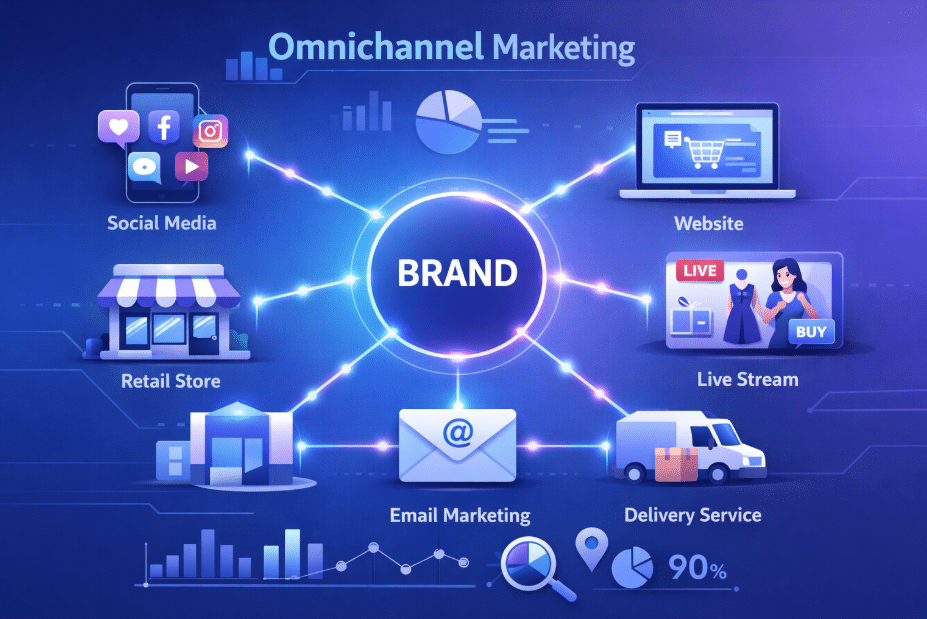
In today’s fast-paced digital landscape, consumers interact with brands across a multitude of touchpoints—websites, mobile apps, social media, email, physical stores, and even emerging platforms like voice assistants and augmented reality. Simply having a presence on multiple channels is no longer enough. Brands need unified omnichannel marketing strategies that ensure a seamless and consistent experience across every interaction.
Omnichannel marketing goes beyond the concept of multichannel marketing. While multichannel approaches focus on presence, omnichannel strategies prioritize integration, cohesion, and customer-centricity. Every channel is connected, enabling brands to deliver personalized experiences that reflect the customer journey in real time. This unified approach is not just a competitive advantage—it is an expectation.
Modern consumers demand relevance, immediacy, and personalization. A shopper who browses products online expects a complementary in-store experience. An email campaign promoting a sale should align with social media messaging and app notifications. Without a cohesive approach, brands risk creating fragmented experiences that confuse audiences and erode loyalty.
By adopting unified omnichannel marketing strategies, businesses can orchestrate every touchpoint, ensuring messaging, branding, and customer experience are consistent, memorable, and effective.
Challenges of Disconnected Marketing Channels
Despite the clear benefits, many organizations still struggle to achieve true omnichannel integration. Disconnected marketing channels often lead to inconsistent messaging, where brand tone, offers, and communication styles vary across platforms. A customer might receive a different promotion via email than what they see in-store, creating confusion and diluting brand credibility.
Another common issue is the difficulty in tracking customer journeys. When interactions occur across multiple platforms, it becomes challenging to understand the full path to purchase or identify points of friction. Without visibility, marketers are unable to tailor campaigns effectively or anticipate customer needs.
Additionally, measuring ROI is complicated when campaigns span multiple channels. Traditional analytics might capture engagement or conversions for individual platforms, but they often fail to provide a holistic view of cross-channel performance. This makes it difficult to assess which touchpoints drive value, optimize campaigns, and allocate resources efficiently.
By focusing on seamless customer engagement across channels, brands can overcome these challenges, creating cohesive experiences that strengthen loyalty, drive conversions, and maximize marketing efficiency.
Core Principles of Omnichannel Marketing
Successful omnichannel strategies are built on three core principles: integration, personalization, and real-time interaction.
Integration: Aligning digital and offline channels ensures that every interaction reinforces the overall brand narrative. Whether a customer engages through a mobile app, a website, or a physical store, the experience should feel consistent and connected. Integrating inventory systems, CRM platforms, and marketing automation tools allows brands to provide accurate information, seamless transactions, and coordinated messaging across all touchpoints.
Personalization: Customers expect tailored experiences. By leveraging data from past interactions, purchase history, and behavior patterns, brands can deliver messages, offers, and recommendations that resonate individually. Personalization not only increases engagement but also builds trust and strengthens the emotional connection between the brand and its audience.
Real-Time Interaction: Omnichannel marketing is not static. It requires responsiveness—adapting campaigns, offers, and messaging based on real-time customer actions. For example, a user who abandons a shopping cart online can receive an immediate, personalized follow-up via email or app notification, guiding them back to purchase.
Implementing these principles involves integrating digital and offline marketing effectively. From syncing e-commerce platforms with in-store promotions to aligning social media content with email campaigns, every channel should work in concert to create a cohesive customer journey.
Designing Personalized Cross-Channel Campaigns
Personalized cross-channel marketing campaigns start with mapping the customer journey. Brands must identify key touchpoints, from awareness and consideration to purchase and post-purchase engagement, to understand where and how interactions occur.
CRM systems, AI, and automation tools play a critical role in executing personalized campaigns. By leveraging these technologies, marketers can dynamically adjust messaging, timing, and content to reflect individual preferences and behaviors. For instance, AI can analyze browsing patterns to suggest products, while marketing automation can trigger emails or push notifications tailored to the customer’s recent activity.
Examples of effective cross-channel personalization include:
- Email retargeting: Sending follow-up messages based on browsing history or previous purchases.
- Social media dynamic ads: Displaying content relevant to the user’s interests and engagement behavior.
- In-store digital engagement: Using tablets, kiosks, or QR codes to provide product recommendations or loyalty program benefits linked to online activity.
By designing personalized cross-channel marketing campaigns, brands ensure that every touchpoint is meaningful, relevant, and reinforces the broader brand narrative, increasing both engagement and conversion.
Measuring Omnichannel Marketing Effectiveness
Measuring the success of omnichannel campaigns requires a comprehensive approach. Key metrics include customer retention, engagement rates, conversion across channels, average order value, and revenue attribution. Understanding how each touchpoint contributes to the overall journey allows marketers to optimize campaigns for maximum impact.
Advanced analytics and integrated data platforms are essential. They provide a unified view of customer behavior, capturing interactions across digital and offline channels. This insight enables teams to identify gaps, refine messaging, and predict future behavior.
Continuous optimization is critical. By analyzing cross-channel performance, marketers can adjust campaigns, personalize interactions more effectively, and allocate resources to the most impactful touchpoints. This iterative approach ensures sustained growth, stronger customer relationships, and improved marketing ROI.
Focusing on measuring omnichannel marketing effectiveness allows brands to understand the value of unified strategies, ensuring that every campaign contributes to long-term business objectives.
Case Studies and Success Stories
Several brands provide compelling examples of effective omnichannel implementation. Retailers like Starbucks have excelled at connecting mobile app experiences with in-store interactions. Customers can order and pay via the app, receive personalized offers based on past purchases, and redeem rewards seamlessly across physical locations. This integrated approach has strengthened loyalty and increased customer lifetime value.
Another example is Nike, which combines e-commerce platforms, social media, and in-store experiences to create a connected ecosystem. Personalized recommendations, dynamic content, and synchronized promotions provide a consistent experience whether customers engage online or offline.
Luxury brands also demonstrate the power of omnichannel marketing. Burberry, for instance, integrates digital campaigns with in-store events, live-streamed fashion shows, and shared content across social media platforms to create immersive, cross-channel experiences that enhance brand perception and drive engagement.
These success stories illustrate that unified omnichannel marketing strategies can deliver measurable results, from increased engagement and retention to higher revenue, regardless of industry or audience segment.
Conclusion
Omnichannel marketing is no longer an optional strategy—it is essential for meeting the expectations of today’s connected consumers. Consistency, personalization, and real-time responsiveness are key to delivering experiences that resonate across digital and offline touchpoints.
Brands that adopt unified strategies, leverage advanced technology, and continually refine campaigns based on data insights are better positioned to win customer loyalty, increase retention, and drive revenue. The future of marketing lies in creating seamless, cohesive journeys that prioritize the customer experience at every stage.
By embracing an omnichannel mindset, organizations can transform fragmented touchpoints into a harmonious ecosystem, ensuring that each interaction strengthens the overall brand narrative and fosters meaningful engagement. In a world where audiences demand relevance, immediacy, and personalization, omnichannel marketing offers the framework to deliver precisely that.