

PR runs on credibility. It always has. The whole discipline exists because a third-party stamp of approval carries more weight than anything a brand says about itself.
But one thing keeps bothering me about how most teams operate: they pitch, they place, they measure clips, and they repeat. That’s the loop. It hasn’t changed much in two decades.
Referral marketing sits right next to PR on the trust spectrum, and almost nobody in communications has claimed it. The two share the same DNA. They both depend on earned trust. They both spread through networks. And they both fall apart the second they feel forced.
Yet they live in separate departments, run by separate people, and tracked on separate dashboards. That makes no sense.
This piece explores why referral marketing deserves a permanent seat at the PR strategy table, how forward-thinking communications teams are already folding it in, and what this shift signals for the profession.
Trust Economy Has Moved & PR Needs to Catch Up
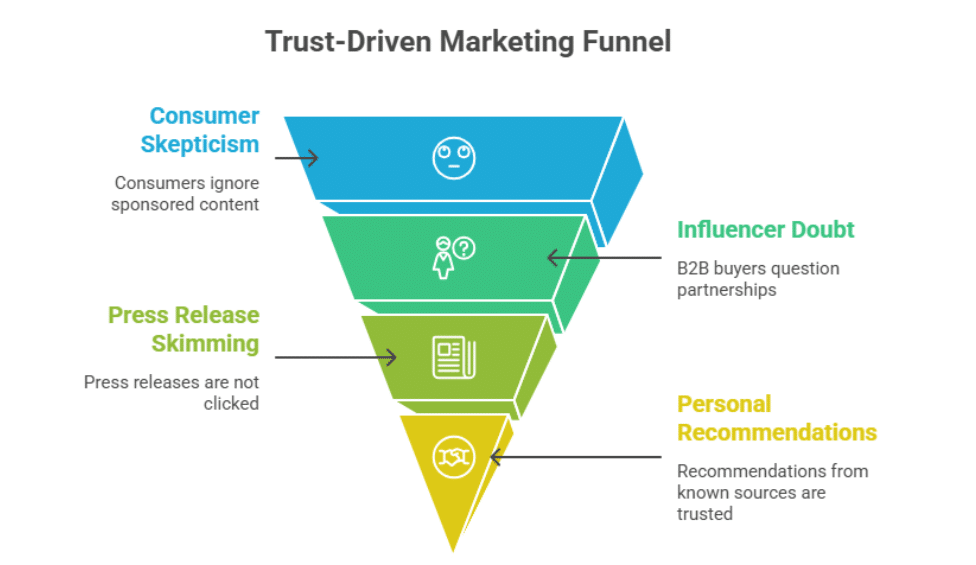
People have built up a thick skin against polished messaging. Consumers scroll past sponsored posts without a second thought. B2B buyers question influencer partnerships. Press releases get skimmed, not clicked. But a recommendation from someone they know still lands every single time.
The gap is widening. BrightLocal’s 2025 Local Consumer Review Survey found that only 42% of consumers now trust online reviews as much as personal recommendations, down from 79% just six years ago. When even reviews are losing ground, personal trust isn’t merely holding up. It’s accelerating.
PR pros who shrug off those numbers are giving away ground they don’t need to lose. Referral marketing isn’t a sales gimmick dressed up in a new outfit. Strip it down, and it’s reputation activation. That’s what we do. That’s what every communications professional has been trained for.
And for teams navigating the overlap between PR and growth, this guide to building a consumer tech company examines how trust-driven strategy plays out in practice.
Self Generated
Where Do These Two Disciplines Overlap?
The connection between PR and referral marketing is more structural than most people in our industry give it credit for.
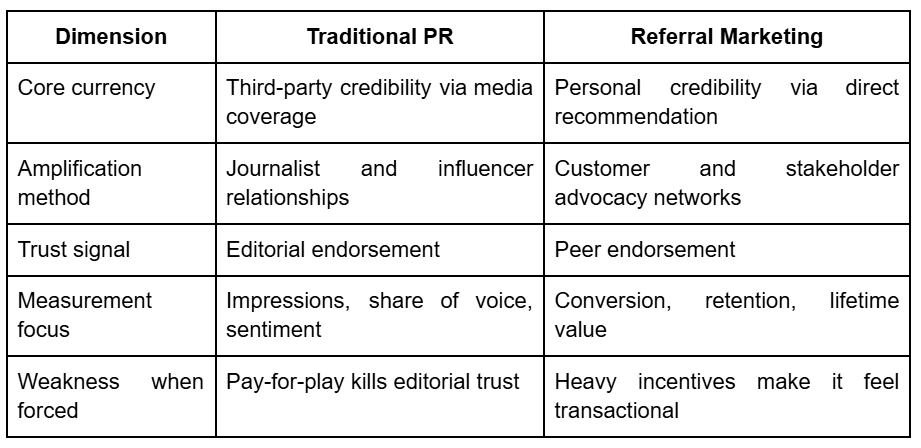
PR earns trust through media gatekeepers. Referral marketing earns it through personal referrals. Combine them into one strategy, and you get a trust ecosystem that feeds itself.
Brand credibility fuels personal recommendations. Personal recommendations build brand credibility. The loop compounds. This dynamic is especially powerful in employer branding; for instance, businesses utilising delivery driver recruitment services frequently find that strong local PR directly fuels the success rate of their internal employee referral programmes.
For a broader look at how different marketing approaches drive that kind of compounding growth, this post on attention-grabbing ways to market a business is worth a read.
Self Generated
None of this requires a new tech stack or a budget increase. It requires a mindset shift in how communications teams think about the trust they’ve already built.
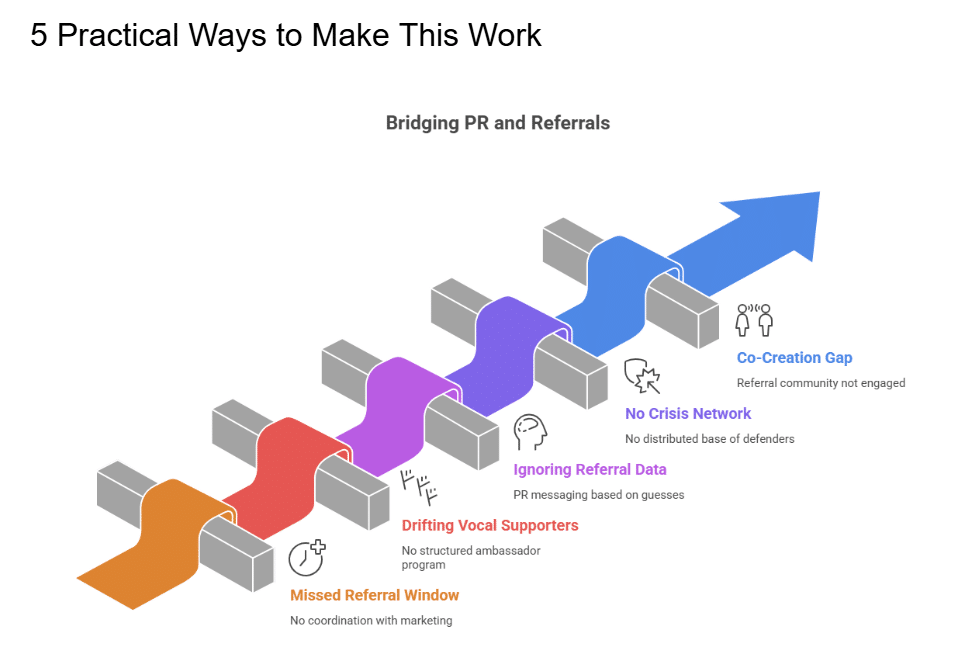
- Turn earned media into referral fuel. A major press hit creates a short window where your brand’s credibility peaks. That’s when you coordinate with marketing to push referral prompts. A feature in a respected outlet gives your customers both the reason and the context to recommend you. The coverage starts the conversation. The referral program closes it.
- Build advocate pipelines from your PR wins. Good campaigns surface vocal supporters. Don’t let them drift.
Identify those people and pull them into a structured referral or ambassador program. They’re already talking about your brand. Give them a framework, and that energy turns into something repeatable. - Mine referral data for PR intelligence. Referral programs throw off useful data about which segments advocate the hardest and what words they use when they do.
PR teams can feed that into messaging, identify audience pockets they’ve been missing, and pitch stories rooted in customer behaviors instead of boardroom guesses. - Activate your referral network during a crisis. Customers who joined through referrals tend to carry deeper loyalty. They’re more likely to stand up for a brand when things go sideways. Teams that invested in those relationships before trouble hit have something most crisis plans don’t account for: a distributed base of defenders who mean it.
- Co-create thought leadership with your best referrers. Top referrers usually know your product inside out and have strong opinions about it. Feature them in case studies, invite them onto panels, or support their insights with relevant business quotes. You get content that works for PR goals and keeps your referral community engaged at the same time.
Hard Numbers That Back This Up
The performance data on referral marketing doesn’t leave much room for debate.
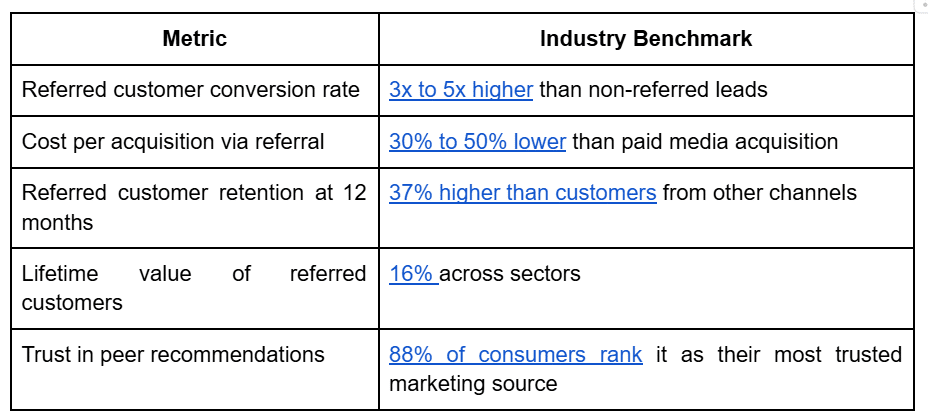
Every PR leader I’ve spoken to in the last one year has felt the pressure to prove ROI beyond impressions. Referral marketing gives you that proof.
It draws a straight line from earned media activities to revenues. That’s the connection our industry has been struggling to make for years.
Three Traps That Kill the Integration
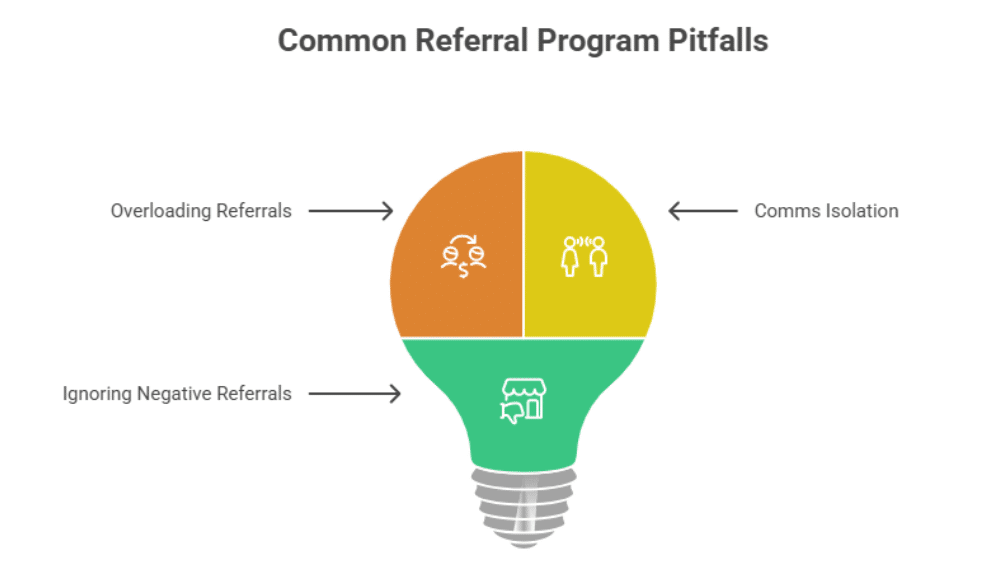
- Overloading referrals with incentives. The second a referral program starts feeling like a paid promo, the trust advantage vanishes. PR people understand the earned-versus-paid line better than anyone in the building. That gut instinct should drive how the referral program gets designed.
- Keeping comms out of referral messaging. If the communications team isn’t shaping the words that go into referral emails and landing pages, you’ll end up with a copy that clashes with the brand narrative PR spent months building. Consistency dies fast when referral content lives outside a comms team’s reach.
- Pretending negative referrals don’t exist. People steer others away from brands just as quickly as they steer them toward brands. A cluster of negative referrals is an early warning sign that no press placement can paper over. Monitor referral sentiment the same way you monitor media sentiment.
Self Generated
PR’s Next Competitive Edge Is Trust Infrastructure
This comes down to professional scope. PR has fought for decades to earn a seat at the leadership table. One of the strongest cards we hold is the ability to influence trust at scale. Referral marketing is trust at scale, just running through personal networks instead of media ones.
Communicators who fold referral strategy into their practice expand what PR measurably delivers. They tie earned media to customer acquisition. They turn reputation into a business asset with a number attached to it. And they reframe communications as a revenue function.
The brands that will lead over the next decade will be building trust ecosystems. Referral marketing is the connective tissue holding those ecosystems together, and PR is the discipline best suited to run them.
If you’re rethinking how trust fits into your communications strategy, Agility PR is a solid starting point. It provides a means to stay current on where the industry is heading. Start there and then start building.