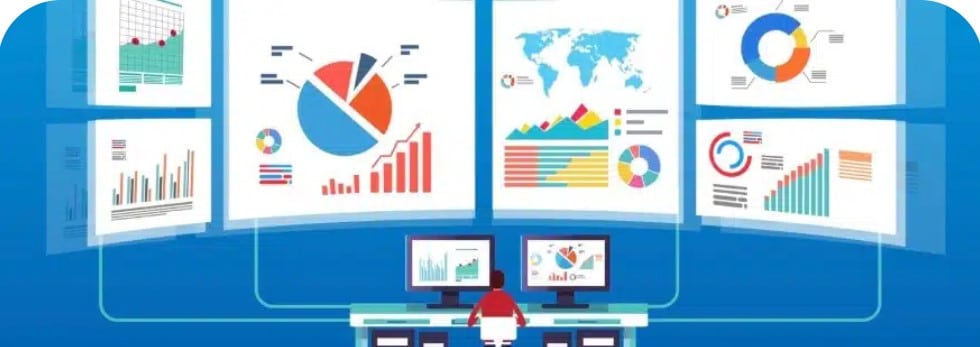
Media intelligence is essentially an always-on listening system for your brand. It “captures conversations across traditional news, social media,” and shows what the world says about you. Think of it like turning the entire internet into a giant pair of ears for your company. It gathers mentions of your name, products, or topics from news sites, Twitter, TikTok, review sites – everywhere – then uses software (often AI) to analyze the results.
This lets managers track shifts in sentiment before they spread widely. PR teams combine these insights with their own strategy: when they see a trouble spot, they respond or steer the story; when they see something good, they amplify it. In short, media intelligence (the data) and PR solutions (the storytelling) work hand-in-hand. The data tells you what people are thinking and feeling; PR tells you how to act on it.
How Media Intelligence Works
Media intelligence tools use AI and real-time analytics to be ever vigilant. Imagine a thousand tiny robots tirelessly reading news and social media every second. These tools look for anything that sticks out, a jump in negative comments, a celebrity name dropped in a rumor, or even the first droplet of a developing trend. When it flags something, you might get a notification on your phone.
AI isn’t just about speed; it’s also about making sense of data. AI-driven analytics can anticipate sentiment shifts and detect emerging crises before they escalate. For instance, if online chatter about your brand turns suddenly sour or a hashtag starts trending fast, an AI system notices patterns much quicker than a human could. With real-time dashboards and alerts, brands can leap into action. They can post a clarification tweet, adjust a marketing message, or prepare customer service teams, all within minutes.
- Mention Alerts: These ping you when specific keywords (like your brand name) appear anywhere online.
- Sentiment Alerts: These watch the tone. If the conversation about you suddenly turns negative (like reviews going downhill), you get flagged.
- Volume Alerts: These warn you if something goes viral. A sharp rise in mentions might mean a story is catching fire.
This constant monitoring transforms PR from a guessing game into an informed, proactive practice. Instead of waiting for a crisis to reach the front page, media intelligence helps teams shut it down at the first spark.
Listening to Mood Swings: Sentiment Analysis and Predictive Alerts
Media intelligence doesn’t just track who is talking – it checks how they feel. Sentiment analysis is like giving software a mood ring: it reads text and decides if it’s positive, neutral or negative. If hundreds of people suddenly start complaining about your product, sentiment analysis can detect a spike of negative tone and notify you. It can even identify the key voices. For example, if a few influential critics begin to slam your brand, the system can pinpoint them so you know whom to engage with or watch carefully. In practice, this is crucial.
Many big crises start as small complaints on social media, which then snowball. By flagging sudden negative trends early, sentiment analysis lets companies intervene while the issue is still small. As one guide notes, feeling early “sentiment drops” can indicate audience fatigue or brewing backlash.
Beyond spotting current problems, AI can predict future ones. It’s like a weather forecast but for PR: by analyzing past and current patterns, AI can forecast storms. For instance, if several customers start complaining about a new service feature, predictive analytics will notice the spike and alert you before those complaints end up in every blog and news outlet. Tools can even identify seasonal cycles or typical complaint patterns. This “foresight radar” is invaluable.
Shaping the Story, Not Just Controlling It
Traditionally, reputation management was about damage control: you waited for bad news, then tried to fix or spin it. Now it’s much more dynamic. Media intelligence has enabled a shift from controlling reputation to actively shaping the narrative.
Instead of shouting into the void, hoping a press release helps, brands become part of the conversation. It’s about spotting the themes and emotions people attach to your brand and steering those stories positively..
Reputation Tools for Every Size: Not Just Big Brands
The exciting news is that this powerful tech isn’t just for Fortune 500 companies anymore. Years ago, only big brands could afford teams of PR people and clunky monitoring software. Today, even a small shop or individual can get some version of those superpowers. For starters, there are free tools.
Google Alerts, for example, is “a free and simple software you can use to monitor your online mentions and, by extension, your reputation”. Anyone can set up an alert for their name or company and get an email when it appears in online news or blogs.
Beyond free, many affordable paid tools now exist. Services like Brand24, Agility PR Solutions or Mention offer real-time monitoring and basic sentiment analysis.
Some newer AI-driven PR platforms cater to small businesses: Even entry-level plans of larger platforms are shrinking in price. A recent roundup notes that tools that used to start at $6,900/year (like older media monitoring suites) now have scaled-down versions and cheaper competitors.
Conclusion
Media intelligence has turned reputation management into a science as much as an art. It’s like giving every brand an army of analysts and a crystal ball. AI and real-time analytics mean no mention goes unnoticed; sentiment analysis and predictive alerts mean no issue goes unidentified.
Brands can now shape their own stories actively, rather than simply hoping to survive the narrative storm. And the democratization of these technologies means that even a one-person startup or a local business can play by the big-company rules. With these new tools, reputation management is no longer about scrambling in the dark – it’s about shining a light on the path ahead.