

Digital PR has changed a lot in recent years. The way brands get attention online now is more connected, more ongoing, and spread across many different platforms. Search engines, niche websites, creators, and even communities now play a role in how visibility is built. At the same time, brands are expected to manage their reputation in real time and stay active across different digital spaces.
Because of this shift, PR has become less about short-term exposure and more about building steady presence and trust over time.
Let’s get into how digital PR is changing in 2026 and what is now shaping visibility beyond traditional media outreach.
Rise of Authority-Based Visibility
In digital PR today, getting mentioned once in a big publication is not enough. Brands are now focused on building steady authority across different platforms over time. Instead of short bursts of attention, the goal is to stay visible in places where people already trust the content.
“Authority is built through repetition and consistency, not isolated exposure. The same principle applies to structured environments like IT policies, where clarity and ongoing enforcement matter more than one-time implementation,” says Michiel Meyer, CEO & Co-Founder at Workwize.
This includes niche blogs, industry websites, podcasts, newsletters, and even smaller communities that focus on specific topics. When a brand appears regularly in these spaces, it starts to feel more reliable and established.
Search engines also play a part in this shift. Consistent mentions across trusted sites help improve how a brand is seen online. It is less about one strong link and more about repeated presence in relevant places.
The focus is also on relevance. Being featured in the right context matters more than just being featured anywhere. A mention in a focused industry site can have more impact than a general media article.
Data-Driven PR Strategies
PR is becoming more structured because of data. Instead of guessing which outreach will work, teams now look at numbers to guide their decisions. This includes tracking mentions, engagement, referral traffic, and how audiences respond to different types of coverage.
With this approach, teams can see which publications bring real traffic, which messages get attention, and which angles work better for outreach. It also helps in planning future campaigns more effectively instead of repeating the same approach.
Data also helps in spotting gaps. If a brand is not getting mentioned in certain important spaces, it becomes easier to identify and fix that issue.
Noam Friedman, CMO of Tradeit, explains, “Data brings structure to PR decisions that were once based on intuition. When teams understand what actually drives visibility and engagement, they can refine outreach with more precision and focus on channels that consistently deliver measurable impact.”
AI and Automation in PR Execution
AI and automation are changing how digital PR teams work on a daily basis. Tasks that once took a lot of manual effort, like finding media contacts, tracking mentions, or sending outreach emails, are now much faster with the help of tools.
Dan Rogers, Creative Director at Rebus Puzzles, said, “When creative and operational tasks are supported by intelligent systems, teams gain more space to focus on strategy and storytelling. The value shifts from execution-heavy work to more meaningful decision-making that shapes how a brand is perceived.”
One of the main uses of AI in PR is research. It can scan large amounts of content and identify journalists, blogs, or platforms that are relevant to a specific industry. This saves time and helps teams focus only on the most useful opportunities.
Automation is also used for outreach follow-ups. Instead of manually tracking every response, systems can send reminders or schedule messages based on user actions. This keeps campaigns active without constant manual effort.
Another important area is monitoring. AI tools can track brand mentions across websites, social media, and news platforms in real time. This helps teams respond quickly when something important is published.
Ákos Doleschall, Managing Director at Hustler Marketing —Ecommerce Email Marketing Specialists, notes, “Performance-focused communication depends on timing and relevance. When automation supports outreach and monitoring, it ensures that messaging stays aligned with audience behavior, which improves engagement quality across digital channels.”
It also helps in content planning. By analyzing trends and search patterns, AI can suggest topics that are more likely to get coverage or engagement.
Influence of Creator and Micro-Media Networks
Digital PR has moved far beyond traditional news outlets. Today, a large part of visibility comes from creators, niche publications, and smaller media platforms that have built strong, loyal audiences over time.
Rachel Sinclair, Acquisitions Director at US Gold and Coin, shares, “Attention today is fragmented, but trust is concentrated. Smaller, focused platforms often carry more influence because audiences see them as more authentic sources of insight rather than broad, generalized reporting.”
Podcasts, newsletters, YouTube channels, and independent blogs now carry a lot of influence. These platforms feel more direct and personal, which is why audiences tend to trust them more. People are not just consuming information, they are following voices they relate to, which makes the message feel more real and less promotional.
What makes micro-media networks important is focus. Instead of speaking to everyone, they speak to specific communities. A feature in a niche finance blog or a design-focused podcast often drives more meaningful attention than a broad news mention, because the audience is already interested in that topic.
Jonathan Matha, CEO of Modern Chandelier, notes, “Modern visibility is shaped by context, not volume. When a brand appears in environments where the audience is already engaged with the subject, the message carries more weight and feels naturally aligned with what people are actively seeking.”
This shift has also changed how PR content is created and shared. There is a stronger focus on ready-to-use, visual, and data-backed assets that creators can easily include in their content.
In fact, 72% of respondents incorporate images provided by PR professionals, while 34% use data visualizations or infographics and 33% utilize videos.
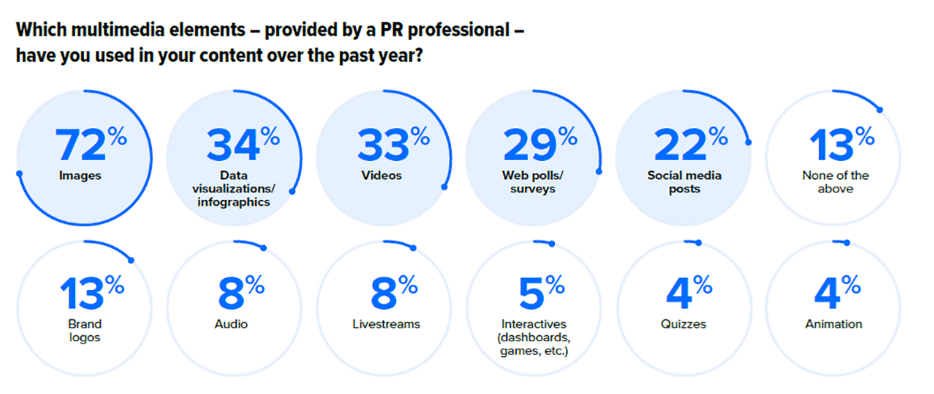
Image Source: Cision
This shows how important visual and structured content has become in modern PR distribution.
As a result, brands are building presence across multiple smaller, high-trust platforms. This creates more natural exposure and helps messages spread in a way that feels organic rather than forced.
Reputation Management as Core PR Function
Reputation management has become a central part of digital PR. It is no longer something handled only during a crisis. Brands now monitor and manage how they are perceived every day across search results, social platforms, review sites, and news coverage.
Experts from AQUAMARISE® says, “Reputation is now a continuous system rather than a reactive task. The way a brand is perceived online evolves daily, and consistent monitoring allows businesses to correct direction early instead of repairing damage later.”
What has changed is the speed of information. A single mention, comment, or review can spread quickly and shape how people view a brand. Because of this, companies need to stay alert and respond in real time instead of reacting after issues grow.
Modern tools now help track brand sentiment across multiple channels. These tools show whether public perception is positive, neutral, or negative, giving teams a clearer understanding of how the brand is being received.
Response also matters more than before. A clear and timely reply to feedback or concerns can protect trust and sometimes even improve it. On the other hand, ignoring conversations can create long-term damage.
Reputation is now directly tied to business performance. People often search online before making decisions, and what they find influences trust immediately.
In industries where safety and reliability matter, even factors like fire insulation in physical infrastructure can influence perception, since attention to protection and compliance often reflects how seriously a company approaches quality at every level.
Content-Led and Search-Driven PR Growth
Content has become one of the strongest drivers of digital PR today. Instead of focusing only on one-time media placements, brands are now building long-term visibility through content that continues to perform over time.
Desmond Dorsey, Chief Marketing Officer at Bayside Home Builder, says, “Sustained visibility comes from relevance that compounds over time. When content is structured around real audience needs, it keeps attracting attention long after the initial publication, which strengthens both brand awareness and trust.”
Search engines play a big role in this shift. When content is optimized properly, it keeps bringing traffic and visibility long after it is published. This makes content-led PR more sustainable compared to short campaigns that fade quickly.
Brands are now creating content that answers real questions, explains industry topics, and provides useful insights. This type of content is more likely to be picked up, shared, and referenced by others, which naturally increases PR reach.
Search-driven PR also connects closely with authority building. When a brand consistently appears in search results for relevant topics, it builds trust and recognition over time. People start seeing it as a reliable source in that space.
In an interview, Selman AKINCI, Co-Founder at Doctor Adam, says, “Authority in digital spaces is not built through volume alone but through consistency and relevance. When content repeatedly answers meaningful questions in a niche, it naturally becomes part of the decision-making process for audiences.”
Another important factor is consistency. Regular publishing of high-quality content helps maintain visibility and improves chances of being discovered by journalists, creators, and publishers.
This shift is also reflected in industry behavior, where content marketing generates over 3 times more leads than traditional outbound marketing while costing 62% less.
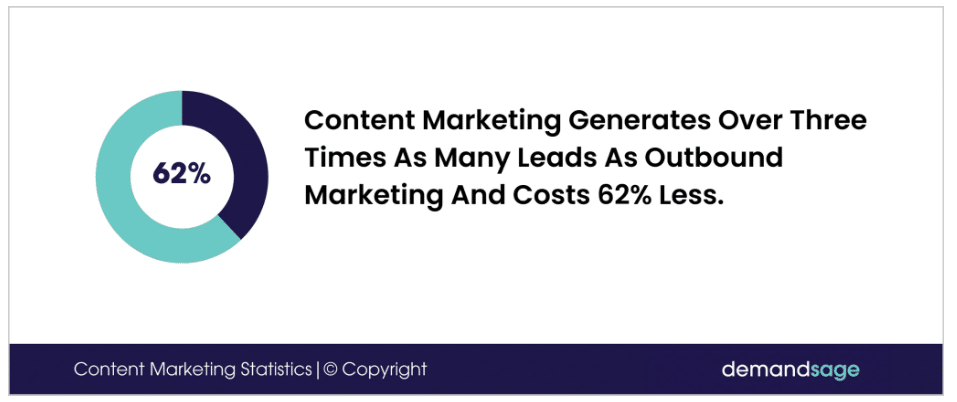
Image Source: DemandSage
This makes it a key driver in modern PR and visibility strategies.
Community-Led PR and Owned Audience Channels
According to Brooks Manley, Owner of Trellis Marketing, “One of the biggest shifts in digital PR is the move toward building direct audiences instead of depending only on external media. Brands are now investing more in their own communities, where they can communicate without relying on third-party platforms.”
This includes email newsletters, private communities, social groups, and direct audience channels where brands can share updates, stories, and insights on their own terms. The key change here is control. Instead of waiting for media coverage, brands can now distribute information directly to people who already trust them.
Communities also change how PR works over time. Instead of one-time exposure, communication becomes ongoing. People stay connected to the brand and repeatedly engage with its content, building greater familiarity and trust.
Another important part is feedback. These communities are not just distribution channels, they also act as listening spaces. Brands can understand what people think, what they want, and how they react to different messages in real time.
Even operational touchpoints around real-world projects, such as construction dumpster rental during renovation or large-scale build phases, often get surfaced within these communities, showing how practical, day-to-day needs and brand communication now intersect in more direct and ongoing ways.
Reputation Management as Core PR Function
Reputation management has become a daily part of digital PR work instead of something that only matters during a crisis. Brands are now constantly watched across search engines, social platforms, review sites, and news coverage, which means perception can shift very quickly.
Karen Noryko, Career Content Director at Jobtrees explains, “Professional reputation today is shaped in real time. Every interaction, mention, or review contributes to a larger narrative, and brands that actively engage with that narrative are better positioned to maintain trust over the long term.”
What has changed most is speed. A single article, comment, or review can influence how people see a brand within hours. Because of this, companies need to monitor conversations in real time and respond while things are still manageable.
Modern PR teams use monitoring tools to track mentions and sentiment across platforms. This helps them understand how people are reacting and whether the overall perception is improving or declining. It also allows them to identify small issues before they become bigger problems.
Response plays a key role in this process. A clear and timely reply to feedback can build trust and show accountability. In many cases, how a brand responds matters more than the issue itself.
According to Rameez Ghayas Usmani, Award-Winning HARO Link Builder & CEO of HARO Link Building, “Reputation is no longer shaped only by coverage, but by how consistently a brand shows up in relevant discussions. Visibility combined with responsiveness creates a stronger credibility loop that directly influences how audiences perceive authority.”
Reputation is also closely tied to buying decisions. Most people check online information before trusting a brand, so what appears in search results or reviews directly affects credibility.
AI-Driven Insights and Predictive PR Strategy
AI is now helping PR teams move from reactive work to more planned and predictive strategies. Instead of only tracking what has already happened, businesses can now use data to understand what is likely to gain attention in the future.
In an interview, Daniyal Shaikh, AI Designer & Developer at Virtual Ring Try On, said, “When AI starts interpreting patterns across content and audience behavior, it shifts PR from intuition-led decisions to more structured forecasting. The real value comes from anticipating interest rather than just responding to it after it appears.”
AI tools can scan large volumes of content, news patterns, and audience behavior to identify emerging topics. This helps PR teams decide what kind of stories or angles are more likely to get coverage before they pitch them.
It also improves targeting. Instead of sending outreach to broad media lists, AI can identify journalists, creators, and platforms that are most relevant to a specific topic. This makes outreach more focused and increases response rates.
Another important use is performance prediction. AI can estimate how certain content or campaigns might perform based on past data, helping teams adjust their approach early.
Dan Close, Founder and CEO at We Buy Houses in Kentucky, highlights, “Predictive tools are changing how outreach and timing are handled. When teams can estimate interest and engagement before launching a campaign, it reduces wasted effort and improves the chances of reaching motivated audiences at the right moment.”
This shift is also supported by industry adoption. According to recent data, 69% of practitioners have already incorporated generative AI into their daily workflows, while an additional 16% plan to explore the technology soon.
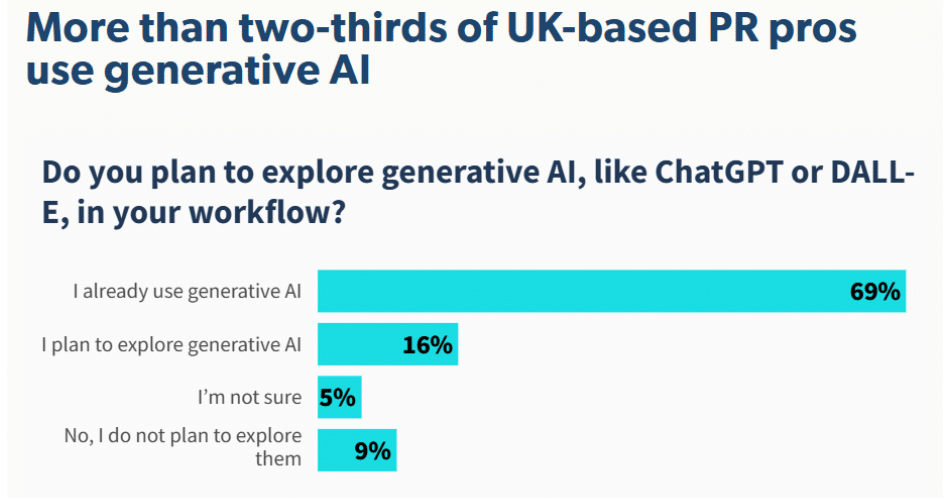
Image Source: YourStoryPR
Experience-Led PR and Interactive Storytelling
According to Magnus Larsen, Head of Marketing at Forbrukerguiden, Digital PR in 2026 is becoming less about static coverage and more about how people actually experience a brand story. Instead of only reading articles or seeing mentions, audiences now engage with content in more interactive ways.
Brands are moving toward formats that feel closer to experiences than traditional media coverage. This includes interactive reports, landing pages built like stories, immersive visuals, and even short-form narrative content designed for multiple platforms. The idea is to make information easier to consume and more engaging at the same time.
This shift matters because attention is harder to hold. A simple article mention is often not enough on its own anymore. People expect something that feels more dynamic, even when they are consuming business or industry content.
Another part of this change is personalization. PR content is increasingly being shaped based on audience type. The same story can be told differently depending on whether it is for investors, customers, or industry readers. This makes communication more relevant and improves engagement.
Brands are also focusing on creating content that can be repurposed across channels. One strong story is turned into visuals, short clips, and interactive formats that extend its reach without repeating the same message.
Wrap Up
Digital PR in 2026 now works through a mix of creators, search visibility, data, AI tools, and direct audience channels. The focus has shifted toward building consistent presence, stronger trust, and more meaningful engagement across different platforms.
Brands that understand how to combine these elements are able to stay visible in a more competitive and fast-moving space. Instead of short-term exposure, the real goal is long-term authority and relevance.