
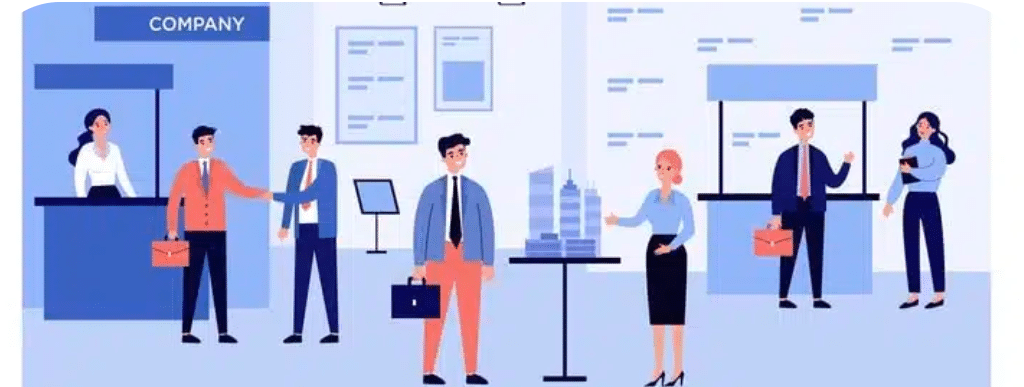
Live events are powerful moments for brands. They create shared memories, spark social buzz, and offer journalists something worth talking about.
But earning real media coverage doesn’t happen by accident. It takes sharp planning, strong storytelling, and tech that doesn’t drop the ball when the lights go up.
Below is a practical guide on how brands can pull off polished, media-ready events that leave audiences and reporters excited to share the story.
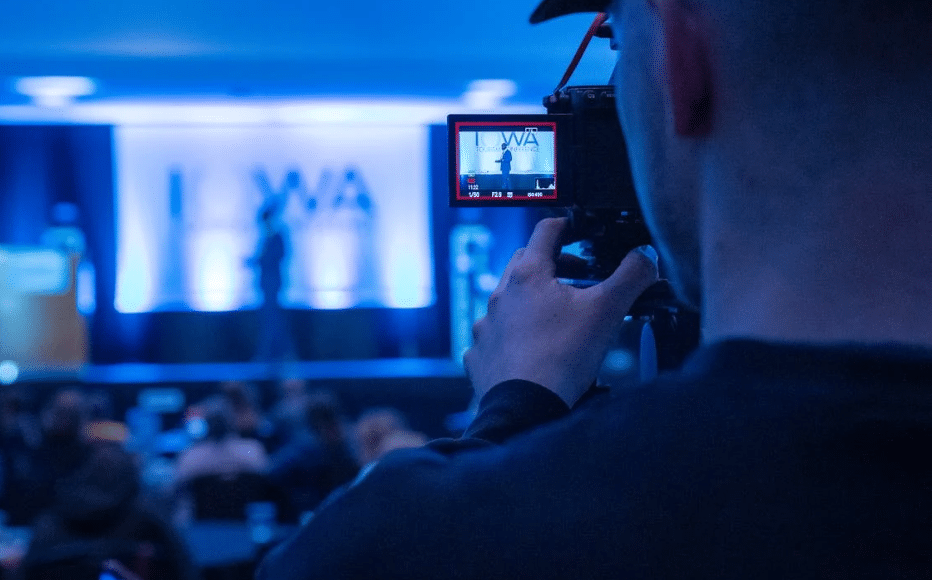
Build a Creative Strategy That Journalists Actually Care About
Before booking a venue or designing the stage, brands need a clear idea of what makes the event worth covering. Journalists look for angles, visuals, and moments that feel fresh or meaningful. Your creative strategy should set the foundation.
Find the Story Within the Event
A product launch or conference on its own isn’t news. The narrative around it is. Focus on:
- A strong emotional or cultural hook.
- A surprising stat, benefit, or insight.
- A visual moment that photographers will chase.
Personalization and data‑driven experiences make events more relevant.
Design Visual Moments That Play Well on Camera
Journalists and content creators need strong visuals.
Think branded structures, immersive lighting, or choreographed reveals.
Interactive tech, like AR and IoT-powered displays, increases engagement and shareability, which helps events travel farther online.
Use Smart Technology to Enhance the Experience
Great tech shouldn’t be noticed. It should simply work, support the story, and make the event feel smooth and high-impact.
Create Immersive Moments With Modern AV Tools
Advanced visuals and audio help events feel cinematic. ]
Immersive environments can captivate audiences.
Using creative lighting, LED walls, and directional audio can transform even modest venues.
Prioritize Accessibility Tools
Real-time captioning and translations not only welcome more guests but also improve media perception of your brand’s inclusivity.
AI-powered captioning tools are becoming a standard expectation at large events.
Keep Cybersecurity Top of Mind
Live events rely heavily on connected tech.
Protecting your AV systems prevents service disruptions that could derail the show.
Hire AV Professionals Who Can Execute Under Pressure
Event-day problems usually come from poor audiovisual setups: bad audio, failing screens, lagging feeds, or choppy livestreams.
Hiring trained AV pros reduces risk and ensures the event feels polished from the moment guests walk in.
Why AV Experts Matter
They bring technical experience, on-the-ground troubleshooting skills, and an understanding of how to translate creative ideas into reliable systems.
Professional teams are adopting things like AI automation, next‑gen LED walls, and advanced audio to create seamless, high‑impact productions.
What They Manage Behind the Scenes
Pros handle:
- Equipment setup and testing.
- Live switching for cameras and media.
- Real-time issue solving.
So, look for AV professionals in the locality of your event who have the skills you require.
For instance, you could hire professional AV staffing services for events in Dallas that are committed to crafting unparalleled audio and visual experiences that create unforgettable memories for your guests.
Craft Media-Friendly Event Flows and Touchpoints
A media-ready event respects journalists’ time and gives them everything they need to capture the story.
Provide a Clear, Easy Media Check-In
Simple check-in, prepped credentials, and guidance from staff help journalists feel welcomed and ready to work.
Offer Exclusive Access and Smart Interview Spots
Set up quiet, well-lit spaces for interviews or small-group Q&A for more personal insights.
This increases the chances that the media will quote your team or guests.
Build a Run-of-Show That Makes Sense on the Ground
Busy, confusing schedules make it hard for the media to cover key moments.
Keep the event flow tight, predictable, and packed with strong visuals.
Create Experiences That Are Fun, Shareable, and Worth Talking About
To earn media coverage, the event needs to give guests a reason to share it organically. That means leaning into creativity and interactivity.
Make Social Content Easy to Capture
People love easy wins. Create moments and spaces designed for photos and videos: bold backdrops, interactive elements, or theatrical reveals. Pairing your on-site visuals with a tool for social media engagement can help teams post timely updates, respond to chatter, and track reactions in real time.
Keep Guests Engaged From Start to Finish
Attendees should feel like the event is dynamic, not static.
Rotating activities, surprise performers, or hands-on demos can give the event more energy.
Content will naturally ripple outward if the experience is memorable.
Measure What Matters After the Event Ends
A flawless event isn’t complete without reflection. Tracking metrics helps you understand what actually worked.
Use Data to Improve Future Events
Digital check-ins, social engagement data, and attendee surveys help shape better strategies for future activations.
Follow Up With Journalists While the Event Is Still Fresh
Send post-event photos, select quotes, and key takeaways. Journalists appreciate the help, and it boosts the chance of additional coverage.
To maximize your event’s impact and reach, consider implementing a targeted link building campaign that connects your event content with relevant online audiences, amplifying the media coverage and engagement your live event generates.
Final Thoughts
Delivering a flawless live event that earns media coverage requires creativity, rock-solid planning, and the right technical support.
When brands mix engaging stories with seamless production, they create experiences people want to talk about.
These events don’t just entertain audiences. They shape how the brand is seen long after the lights go out.