
Social media is the heartbeat of modern business communication. It’s where customers complain, compliment, and connect in real time.
But most teams are stretched thin. Between managing multiple platforms and proving ROI, even seasoned marketers feel the strain. That’s why social media management software is vital.
Sure, these platforms simplify posting. But they also bring brand storytelling, analytics, and customer care under one roof.
Let’s take a closer look at the impact of social media management software on businesses today.
Highlights
- Social marketers face burnout, fragmented workflows, and data silos
- Social media management tools handle routine tasks and scale personalization
- Better data analysis means faster insights and more proactive digital customer experiences
What are the biggest challenges for social marketers that software helps solve?
Running modern social media operations feels like spinning plates. You’re creating content, approving designs, tracking metrics, and managing social engagement.
Without the right infrastructure, it quickly becomes chaotic.
Let’s break down how software helps steady the spinning. 👇
Bandwidth and burnout
According to Uberflip, the number one hurdle for marketers is team bandwidth. Hours are consumed by manual posting, data entry, and replies. (This is time you could spend on shaping and strengthening your social media strategy.)
Social media management tools automate a lot of this work so you can maintain a consistent and proactive online presence without burning out.
Using AI automation, you can draft social posts, analyze engagement metrics, and suggest optimal posting times. This takes a lot of heavy lifting out of managing social communications.
Fragmented workflows
Switching between tools eats time.
One minute, you’re posting natively on Instagram. The next, you’re hopping on LinkedIn. Then you’re digging through each platform’s dashboard for analytics and insights.
This fragmented approach slows everything down.
Social media management software fixes this by pulling everything together. With the right tool, you’ll get content creation, scheduling, approval, and analytics in one place.
(This helps teams plan campaigns once, then cross-post, track, and adjust without leaving the platform.)
Data silos and disconnected insights
Data is often scattered across tools and teams. Without a clear view of this data, you can’t access the insights you need to improve your social strategy.
With social media management tools, all of your social analytics live in one place. This makes it easy to connect the dots between campaign performance and ROI.
The business impact of social media management software
Most brands juggle several social media accounts. But few run them efficiently.
Here’s how software can help:
Smarter content creation and social media scheduling
When you consistently produce high-quality content, your brand gains traction.
But if you’re managing lots of social media platforms at once, it’s tough to keep up with the continuous need to post.
Social media management software can help you create posts and schedule content weeks in advance.
Smart tools even go a step further.
Many AI-driven social media tools now suggest captions that match your brand’s tone. This keeps you inspired while saving time. Beyond just captions, they can also surface relevant content ideas for social media by tracking what your audience is discussing online. They can also adapt social posts for different platforms, so cross-posting is much faster and more consistent. (But make sure to edit all outputs.)
And in terms of scheduling, they can analyze engagement data and schedule posts at the best times. That way, your content reaches people when they’re most likely to engage. If you post regularly on LinkedIn, a platform like Supergrow can streamline your workflow with built‑in post scheduling so you don’t fall off the radar.
Data-driven PR and brand reputation management
PR today depends on knowing how your target audience feels. But what if customers are complaining without tagging your brand?
AI-powered social listening tools help you manage these mentions.
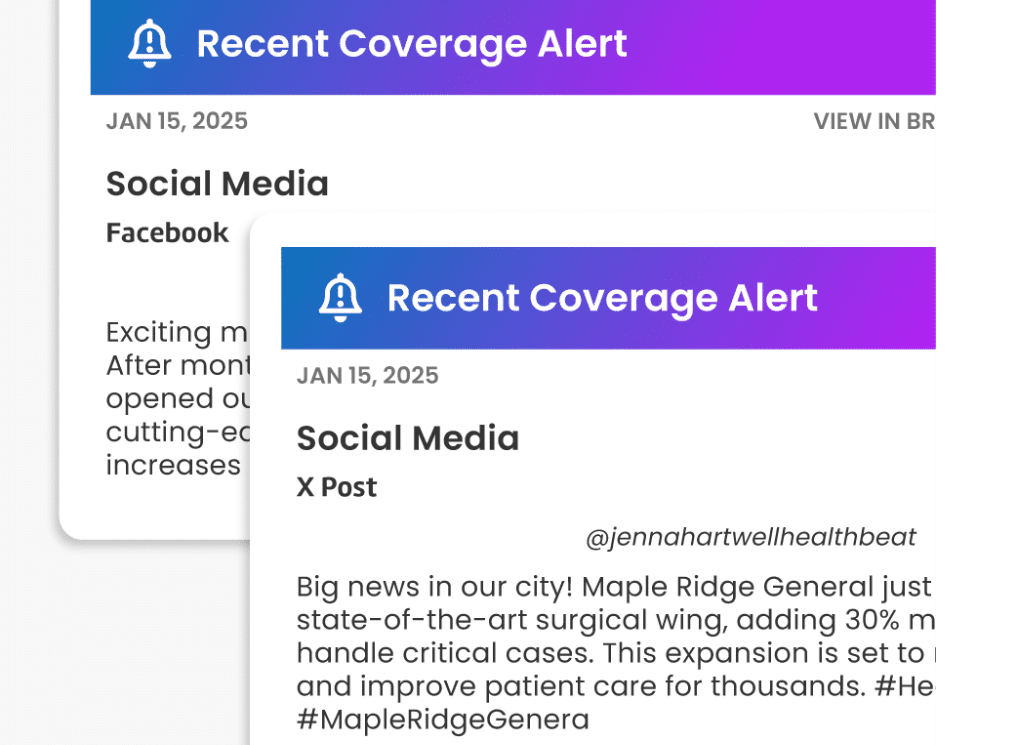
Social Listening on Agility PR
Social listening tools track spikes in brand mentions, related keywords, and industry themes across social networks. (And they can even do this if your brand isn’t tagged.)
These tools also analyze the sentiment behind those conversations. This is ideal for spotting issues early so you can adjust messaging before things escalate.
For example, say the data shows a sudden spike in complaints about delivery delays. The software flags this instantly. Your PR team can then respond quickly, while looping in logistics to handle the issue before it grows.
Personalization and audience engagement
Audiences expect personalized experiences. And brands benefit when they deliver them.
In fact, HubSpot’s 2025 State of Marketing report found that 96% of companies generate more sales through personalization. Nearly half say the impact is “significant.”

Sales Increase Due to Personalization
AI-driven social media management software helps you personalize content at scale.
It can help segment audiences by demographics, interests, and behavior. (And then analyze engagement data to see what performs best across social media networks.)
From there, the AI can suggest tone, visuals, and messaging adjustments for each audience. This helps your team refine content without having to start from scratch.
For instance, let’s say your company offers different mortgage products. The data might show that veterans spend more time on Facebook and prefer clear, informative posts. That’s where you’d share your VA home loans content in a serious, trustworthy tone.
Meanwhile, younger first-time buyers usually spend more time on Instagram. The data shows they engage with funny content. That’s where you’d share your first-time buyer products in a light, playful tone.
Better customer experience and social care
Social media is often the first place customers turn when something goes wrong. How brands respond defines their reputation going forward.
(Modern social media management tools come with an inbox that gathers all comments and DMs in real time. This makes it much easier for you to catch messages and respond before they switch to a competitor.)
And when all of your messages sit in one social media inbox, AI algorithms can spot emerging patterns.
You’ll quickly see what’s frustrating customers — like products, delivery, or customer support.
Wrap up
Social media management tools are improving how brands listen, respond, and build trust with social users.
For PR professionals, the real advantage is how these tools turn social data into insights. (When you can track and understand social conversations, you can get ahead of brand crises and keep customers happy.)
That’s where Agility PR Solutions tools can be supportive.
They help PR teams monitor social conversations and analyze sentiment so you can take a proactive approach to PR.
Ready to give it a try? Book a demo today.
FAQs
What is social media management software?
Social media management software centralizes social accounts. This makes it easier to schedule posts, track online engagement, and analyze performance.
How does social media management software help PR teams?
Social media management tools help PR professionals monitor brand reputation. You can track sentiment across multiple platforms to spot issues early.
How can businesses measure ROI from social media management tools?
Social media management platforms track engagement metrics and conversion data. This ties social activity directly to business impacts.