

We’re living in a reputation economy.
Value still comes from product, pricing, and distribution. But more and more, it moves through trust. Through the people who seem credible, leaders who show their work.
Every post, interview, customer reply, earnings call clip, town hall snippet, whether you meant it to be “PR” or not, lands somewhere public. It stacks up.
Over time, it becomes a ledger: Does this person tell the truth? Do they own their mistakes? Do they understand what’s important?
When the world feels noisy and unstable, that ledger starts doing real business work. It shapes what people buy, where they apply, who gets the benefit of the doubt, and which brands get forgiven when something goes sideways.
That’s why CEO reputation building is an investment in outcomes. Here’s how to get started.
Understanding the Role of CEOs in Modern Media
Not long ago, the CEO’s communications loop was mostly internal and investor-facing. Comms teams carried the message. Reporters filtered it. The pace was slower, and the distance created safety.
That distance is gone.
Now the loop is direct. A CEO can post a note on LinkedIn, host an X Spaces chat, or record a three-minute video and reach farther, faster than a press release ever could.
This is where “personal branding” gets misunderstood. In this context, it isn’t vanity. It’s how corporate reputation gets built in public, in real time, by a human being instead of a logo.
Kashif Ali, Growth Specialist at PsychologySchoolGuide.net, sees how quickly people decide who feels credible when they’re trying to choose an education path.
Ali says, “Most people aren’t looking for a perfect leader. They’re looking for a leader who sounds consistent. If the CEO can explain decisions in plain language, without hiding behind polished statements, trust moves faster because the audience can follow the reasoning.”
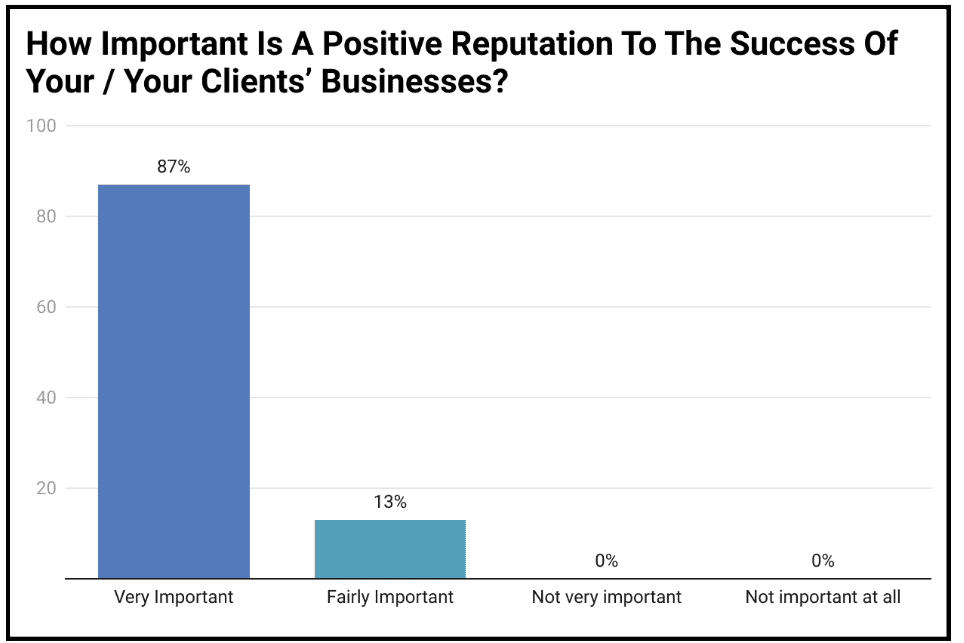
Two very different playbooks make the same point.
- Elon Musk has long used direct social posts to set agendas, move markets, and rally fans. It’s high speed, high risk, and undeniably effective in terms of reach.
- Tim Cook is almost the inverse. Values-led visibility, privacy, accessibility, product philosophy, delivered through measured social posts, keynote moments, and targeted media that reinforce what Apple stands for.
Different tempos. Same underlying lesson: people take cues from people.
And the CEOs who do this well don’t sound like spokespeople. They share actual stories, hard calls, tradeoffs, lessons learned, and what changed their mind.
Strategies for CEOs to Leverage Their Media Power
You don’t need to become a full-time creator. Most CEOs shouldn’t. The goal is a simple system that holds up when you’re busy and when the company is under pressure.
Start with what actually matters: consistency and clarity.
Pick a few pillars you can return to without forcing it. Three to five themes are enough. What you’re building. How you lead. What you’re learning. Where your industry is moving. What you stand for and won’t compromise on.
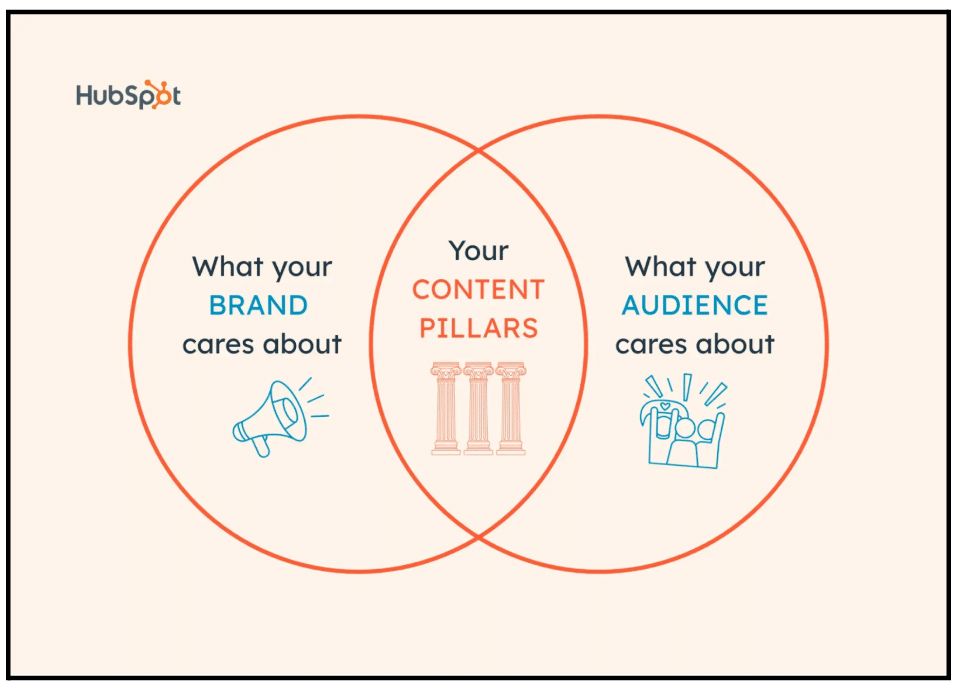
Then choose a home base. One primary platform where your stakeholders already are (often LinkedIn for B2B), and syndicate selectively elsewhere. Trying to “be everywhere” is how it all becomes thin.
After that, the main shift is as follows.
Don’t speak in statements. Speak in stories.
Christopher Skoropada, CEO of Appsvio, treats executive communication like a discipline, not a burst of inspiration.
Skoropada explains, “The mistake is thinking you need a ‘big message.’ What people respond to is the small, specific stuff: what changed your mind, what tradeoff you made, what you’d do differently. That’s what makes the CEO channel feel real instead of performative.”
Instead of proclamations, use specifics, like an anecdote from a customer conversation, a decision you wrestled with, a number that changed your perspective, a behind-the-scenes moment that shows how the company actually runs.
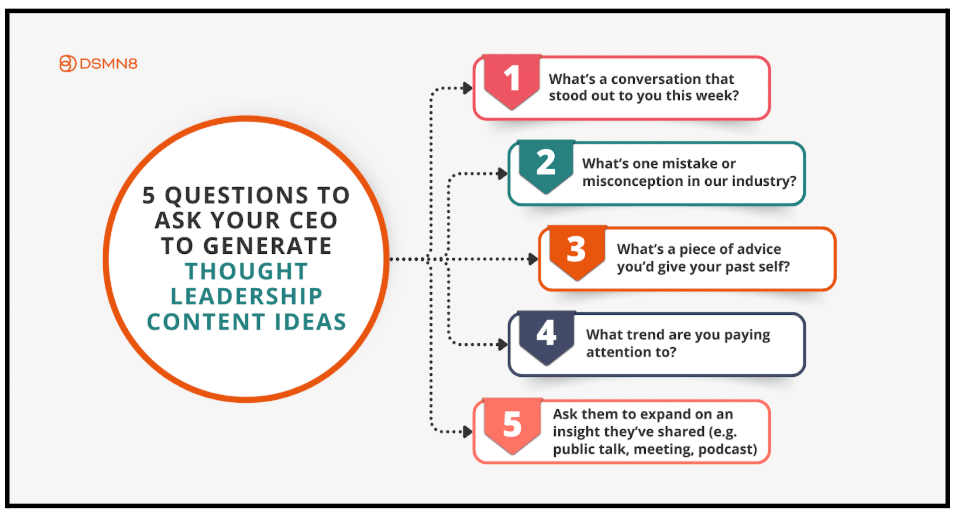
A light cadence beats bursts. One thoughtful post a week is more useful than a flood of generic content. Block 30 minutes. Draft. Review. Respond.
And yes, video helps. A simple selfie-style update or short explainer often outperforms text. Keep it human. Keep it under two minutes.
But the biggest tell isn’t the format.
Engage and have conversations.
Reply to comments. Highlight team wins. Ask a real question and stick around long enough to hear the answers. That signals presence, not performance.
Guardrails matter too. Align with legal, IR, and comms on red lines, disclosures, and a review rhythm for sensitive topics. Speed matters, but so does safety.
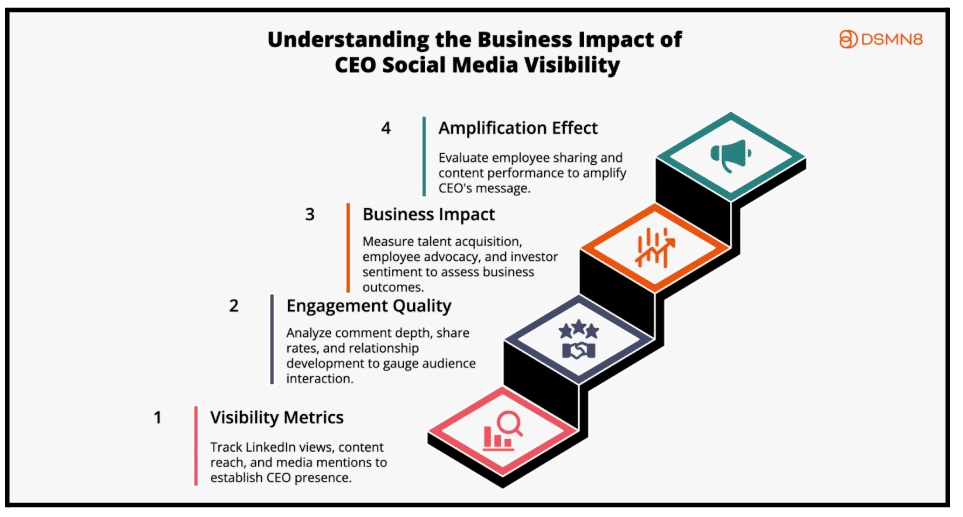
Measure what matters.
Monitor priority audiences. Is the engagement high quality? Whether the message is getting repeated back, or if it shows up downstream in the places you care about: talent conversations, buyer interest, analyst notes.
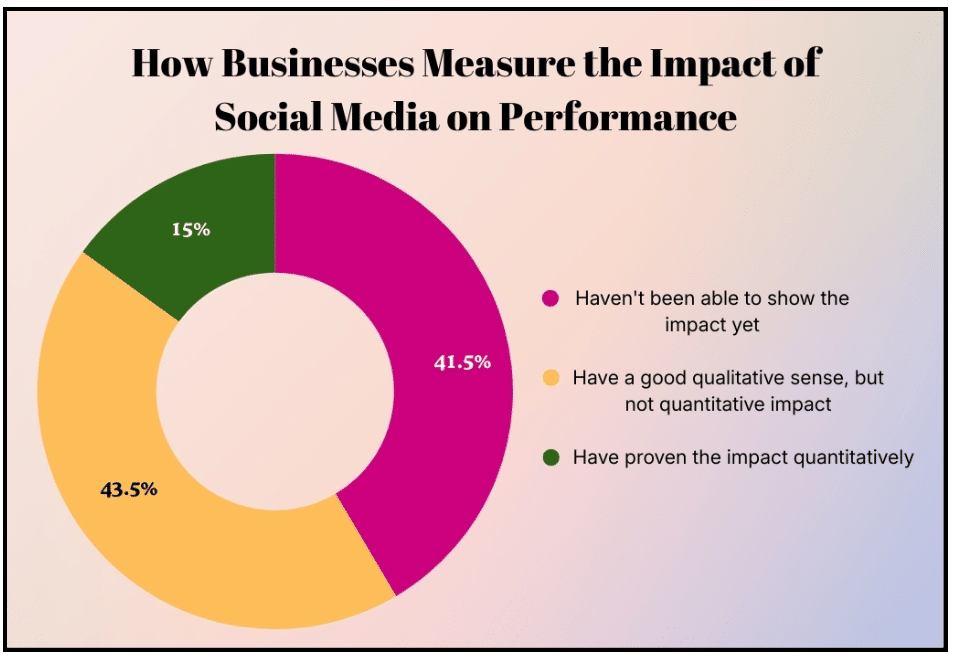
Data shows employee networks are far larger than corporate followers, and content shared by people tends to earn higher engagement than the same message from a brand handle source.
When the CEO models clear storytelling, the company’s narrative gets easier for everyone else to carry.
Communicating During Crises: Lessons from High-Profile CEOs
Crisis is where the CEO-as-media-channel idea gets tested for real.
In tough moments, stakeholders scan for a human face who can put the situation in context and chart a way forward.
Ryan Walton, Program Ambassador of The Anonymous Project, has seen that in tense moments, people don’t want a spin. They want a steady voice.
Walton says, “When something goes wrong, the first thing people look for is whether you’re present. Not once. Repeatedly. Say what’s true, say what’s next, and keep showing up until it’s resolved. That’s what stops a bad moment from becoming the story.”
The executives who step forward with clarity, empathy, and decisive action often come out with stronger reputations than they had before. Silence (or hiding behind delegation) can do lasting damage.
Some examples still get referenced for a reason.
- Johnson & Johnson’s response to the 1982 Tylenol tampering crisis (swift recalls, clear communication, safety-first stance) set a standard many still point to.
- Airbnb’s Brian Chesky led from the front during the early pandemic, explaining layoffs and host policies in plain language through open letters and videos that made the company’s priorities unmistakable.
- And then there are moments where tone did the work. KFC’s UK chicken shortage is a useful counterexample: fast, human apology, and creative honesty that defused frustration and earned praise.
The pattern is consistent:
Speak early. Own the reality. Center the people affected. Lay out next steps. Then keep showing up with updates until it’s resolved.
Challenges and Risks in the CEO-Media Role
There’s a thin line between personal voice and corporate signal. In public, they blur fast.
The same directness that builds trust can also trigger backlash if it’s careless, tone-deaf, or out of sync with company commitments. Misinformation spreads quickly. Screenshots don’t expire. Regulatory and legal boundaries vary by market.
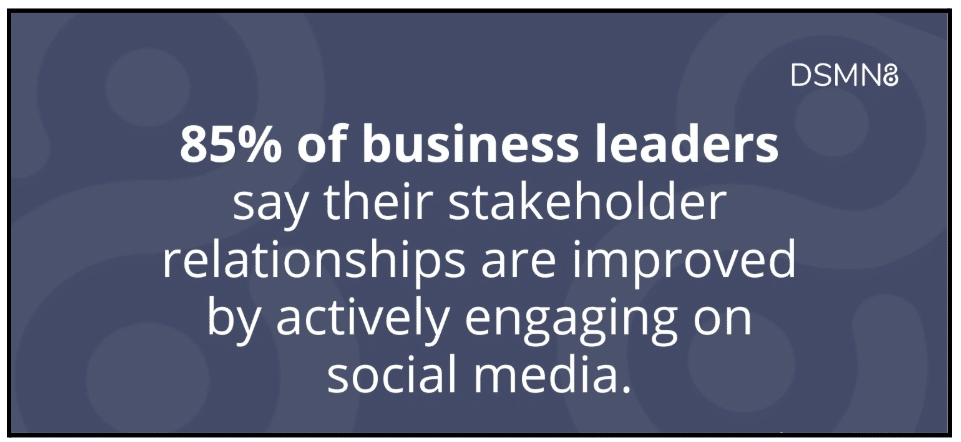
Every tweet, every off-the-cuff comment, every “like” becomes part of the record.
Bryan Henry, President of PeterMD, has watched how quickly a leader’s tone becomes inseparable from the company’s credibility.
Henry explains, “In regulated or sensitive categories, you don’t get the luxury of being sloppy. You can still be human, but you need guardrails you actually follow. The goal isn’t to sound ‘careful.’ It’s to be clear, factual, and consistent so your audience doesn’t have to guess what you mean.”
So CEOs need a few practical risk controls that don’t kill momentum.
The important ones are boring, and they work:
- Clear content guardrails and an approval flow for market-moving or sensitive topics
- Tight disclosures and consistent disclaimers
- Social listening to spot misinformation and sentiment spikes early
- Templated crisis responses and a rapid fact-check lane
- Training for live formats—because media coaching now includes livestreams, AMAs, and audio rooms
- Strong account security and clear admin roles to prevent hijacking
Future of the Reputation Economy and the CEO’s Role
The next era of executive communication won’t look like the last.
- Short-form video is already expected. Audio rooms still matter in niche communities. Long-form newsletters remain one of the best ways to explain a shift without getting flattened by the feed.
- And AI is changing both creation and consumption. Expect drafting and summarizing assistance, synthetic media that’s hard to spot, and verification tech aimed at proving what’s real.
We’re entering an era where CEOs will need to master new formats: short-form video, audio rooms, and even virtual reality experiences. The leaders who experiment early and adapt quickly will define the next generation of executive influence.
Platforms will keep changing. Some will decentralize. Some will blur into messaging. Some will live inside new devices and interfaces.
The constant will be the expectation that leaders show up with a steady voice, a curious mind, and a willingness to engage.
What’s Imperative for CEO Media Strategies
The reputation economy puts human credibility at the center of business outcomes.
CEOs aren’t just spokespersons anymore. They’re the most powerful media channels their companies have. Leaders who treat that reality with care, by showing up consistently, telling real stories, stepping forward in crises, and using smart guardrails, compound trust over time.
If you’re a CEO, pick your pillars and start small this week. If you’re a PR leader, build the system that makes this sustainable and safe.
If you want a lighter, repeatable system for showing up with clarity, without turning into a full-time creator, see how Agility PR supports executive communications.