

Most press releases disappear fast. They go live, get a few mentions, and then sink down in search results.
Meanwhile, companies that optimize their releases keep showing up. They land in Google’s info boxes, get more clicks, and control what people see about their brand.
If you don’t set up your press releases to secure these information panels, you lose visibility and traffic. You’re driven down the rankings by those who occupy these boxes.
So what’s the fix? Optimizing your press releases for search.
With the right setup, Google links your company and press release into its Knowledge Graph — its database of facts. This gives your brand a higher likelihood of appearing in the information boxes on relevant search results pages.
The result?
More visibility for longer.
Let’s take a closer look at how PR teams can optimize press releases to earn that kind of lasting coverage.
The Knowledge Graph Opportunity for PR Pros
Google’s Knowledge Graph is essentially a giant web of connected facts. It links brands, people, places, and concepts into a structured database that informs search results.
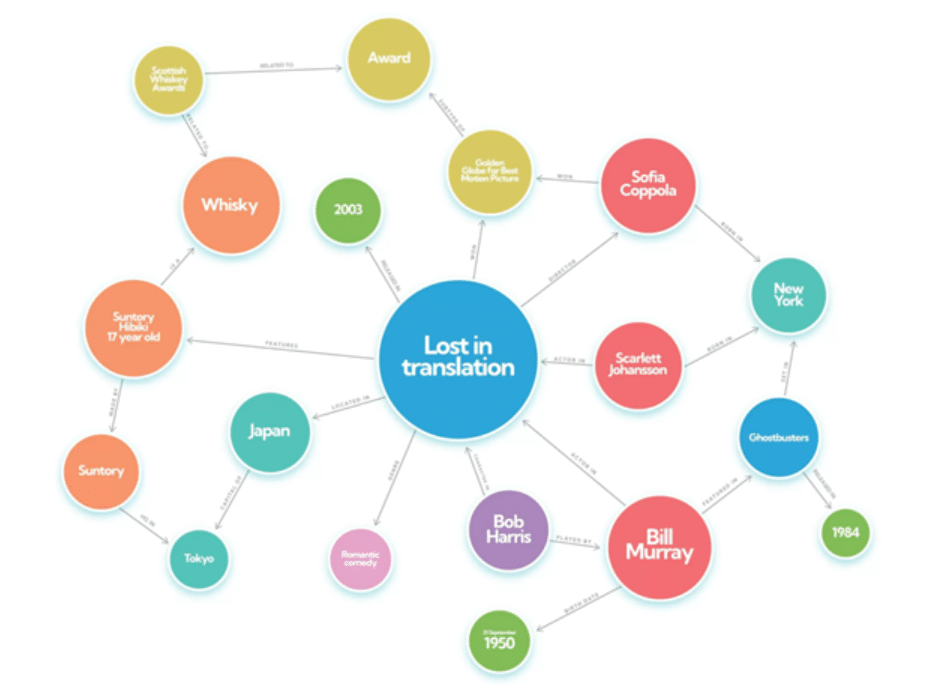
Instead of treating each page separately, the Knowledge Graph understands how entities relate. And the more connections Google sees, the more likely it is to place your brand higher in results or feature it in a Knowledge Panel.
And Knowledge Panels are important. They’re the coveted box in Google Search with logos, executives, services, and official links that give searchers quick, trusted answers.
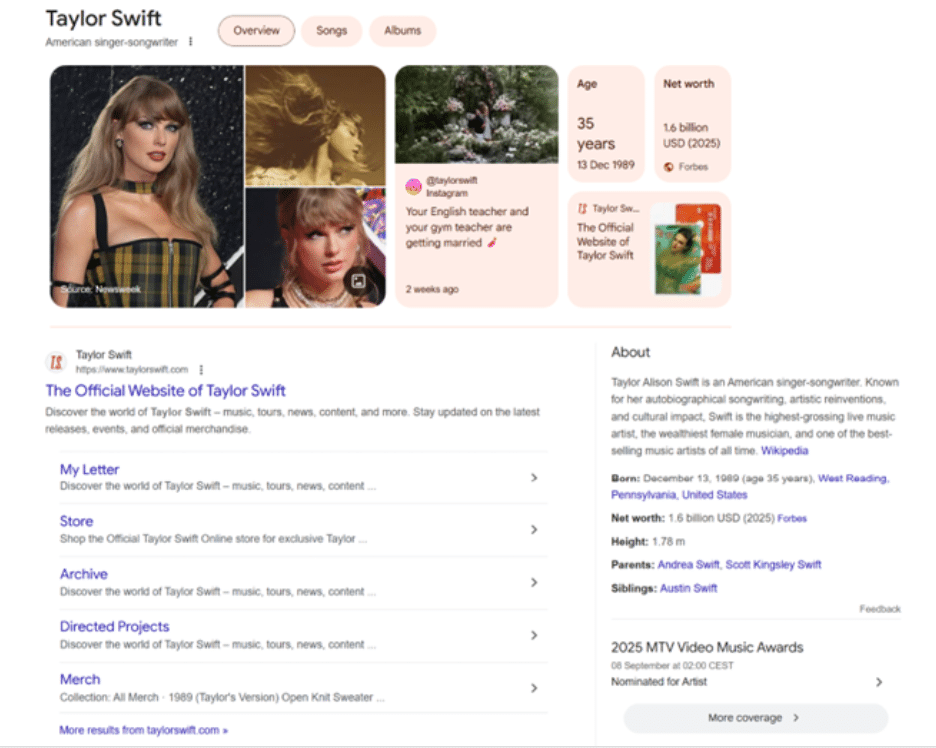
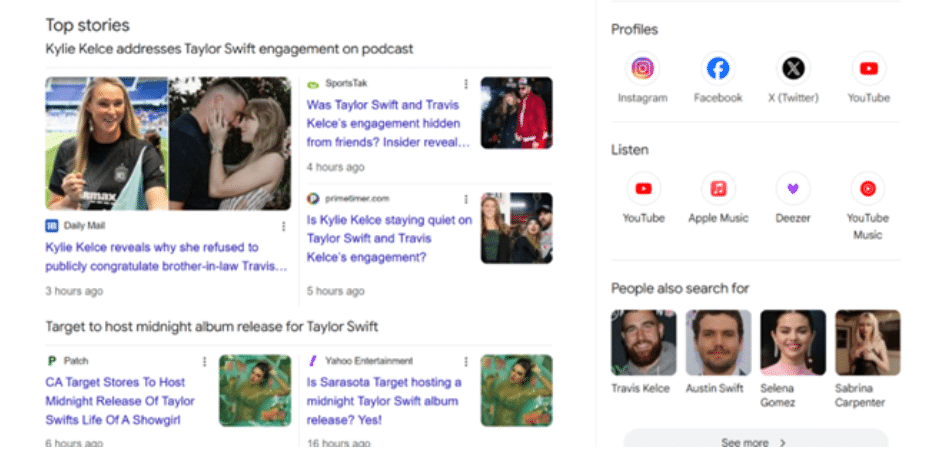
This matters for PR because a seat in the box:
- Gives you control of the narrative. You can influence how facts about a brand appear in search engines.
- Increases visibility. Knowledge Graph entities appear across Google Search, Google Books, Data Commons, Shopping Graph, and even AI Overviews.
- Builds brand trust. Signals authority and legitimacy.
Why Do Press Releases Fail to Show Up in the Knowledge Graph?
Press releases miss the mark when you don’t structure them in the right way. You need to design them so Google’s machine learning and Natural Language Processing (NLP) systems can digest them easily.
But what does this mean?
For a press release to show up in the Knowledge Graph, you need to:
- Mention the brand, executives, products, and locations clearly, using their actual names.
- Link to official sources, like your website, social profiles, and Google Business Profile.
- Maintain consistency with names, dates, and details across every channel.
- Add schema markup so Google can read the release as structured data.
- Publish on reputable sites that Google already trusts.
But if you fail to do this, the impact of missing visibility is real.
Let’s say one of your web pages manages to hit the top organic position for a query. In the first position on Google, you should see an average click-through rate (CTR) of 27.6%, according to Backlinko.
But not if there’s a Google Knowledge Panel on the Google search results page.
When a Knowledge Panel appears, you’re pushed down to the second result.
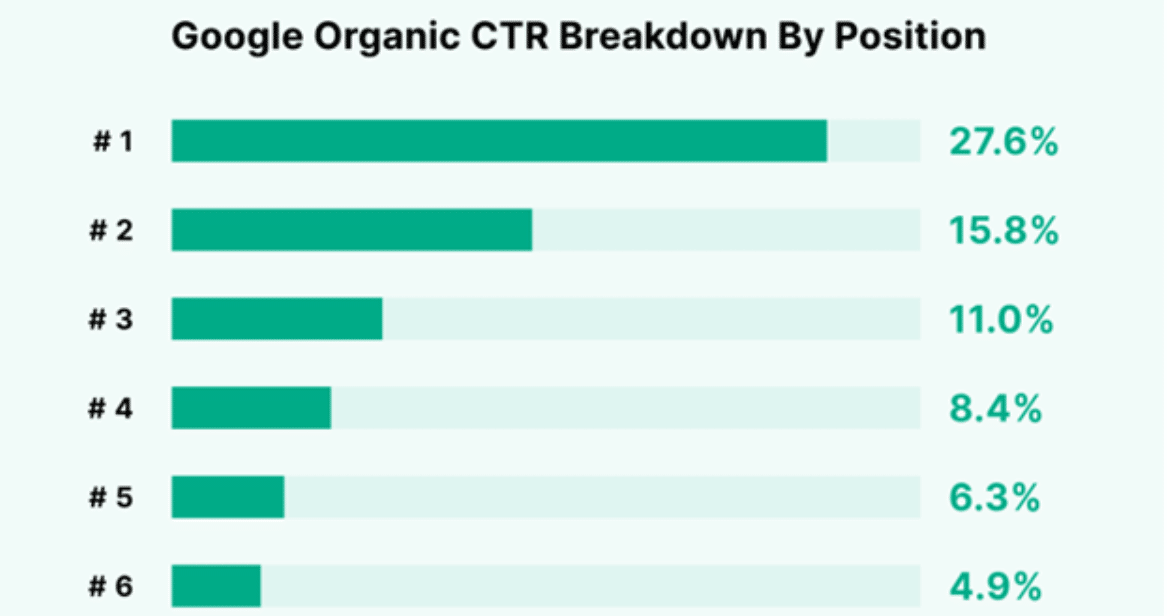
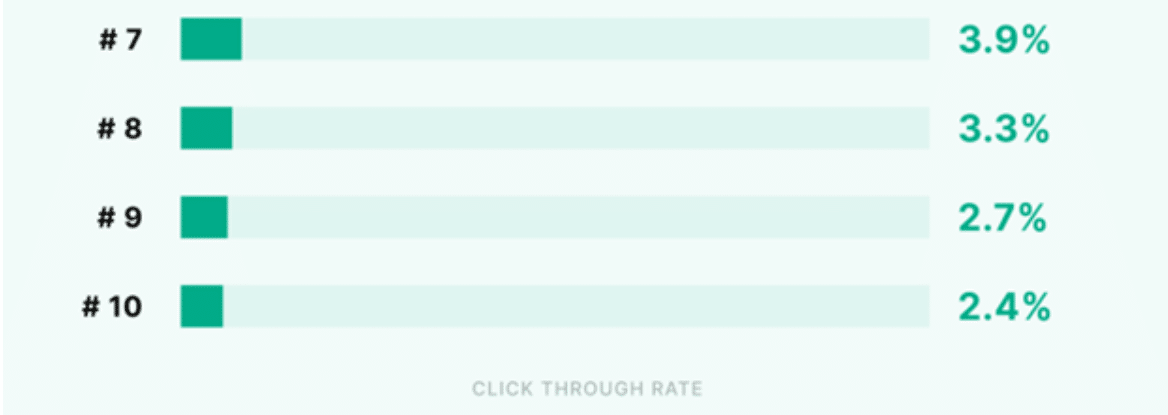
Now that you’re in second place, your CTR drops from nearly 28% to almost 16%.
The takeaway: Optimize your press releases so they help your brand earn entity recognition. Otherwise, you risk losing traffic and visibility to someone else’s panel.
SEO tactics to optimize press releases for Knowledge Graph visibility
It’s one thing to understand that you need to optimize. But how do you transform a standard press release into an entity-friendly one?
Here are some practical tactics you can count on:
Use structured data and schema markup
Structured data is extra code you add to a page to label important details. These details include the company name, executives, services, and event dates.
Schema markup is the format you set in your page code that tells Google what those details mean.
Without this structure, Google just sees a wall of text.
But with a schema, it can identify your brand as the organization, your CEO as a person, your new service as a product, and your press release as news. This clarity helps Google tie your release into the right place in the Knowledge Graph. It then becomes eligible for features like Knowledge Panels.
To do this, add schema markup into the code of the web page where you publish your press release for:
- NewsArticle / PressRelease
- Organization
- Person
- Product
- Event
- Place
If your site runs on WordPress, you can use an SEO plugin (like Yoast or Rank Math) to add schema without touching code.
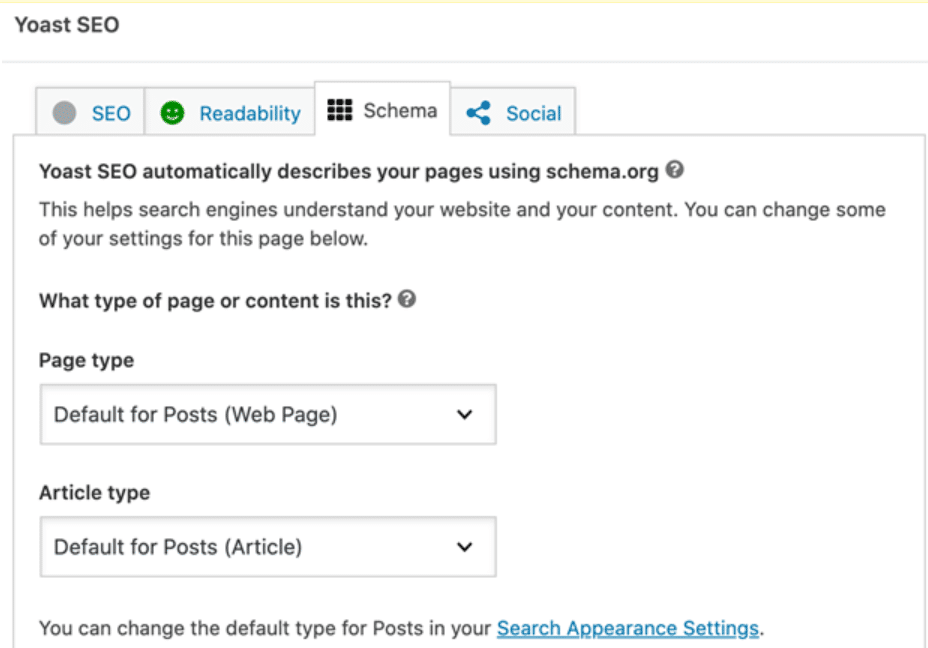
If you publish press releases through a newsroom platform, many of them have built-in fields for structured data. Otherwise, your web or SEO team can paste the JSON-LD code directly into the page’s HTML.
Always double-check your markup with Google’s Rich Results Test to make sure it’s valid.
Highlight clear entity mentions
Don’t make Google guess the important facts.
Always mention:
- Geographic context (like, Asia Pacific, North America, or London)
- Brand name (exact match)
- Core services or products
- Key executives
For example, take Henry Meds.
In a press release, Henry Meds would need to clearly list:
- Key executives: Including Nathaniel Armer (Founder and Board Member), Elissa Barrett (CPO), Cyrille Gineste (Sr. Director, Therapeutics), Joshua Bower (Associate VP)
- Core services or products: Treatments for endocrine conditions, including weight management remedies, women’s HRT, and testosterone therapy
- Geographic context: Dover, DE
- Brand name: Henry Meds
This kind of detail helps Google recognize the brand, its leaders, its services, and its location as connected entities. That way, it’s far more likely to appear in the Knowledge Graph.
Leverage authoritative links and references
Press releases shouldn’t exist in isolation. Instead, you need to link them to the broader web of official sources that confirm your brand’s identity and authority.
Make sure to link to:
- Official websites and verified online databases
- Social profiles like LinkedIn or Twitter/X
- Wikipedia pages (where relevant)
- Google Business Profile listings
Optimize for Google’s evolving SERP features
Google keeps adding new ways of showing information in search results. These extra features, known as search engine results page (SERP) features, often appear above or beside the standard blue links.
When Google recognizes your brand as an entity, it’s more likely to feed your press release content into these spaces. This gives you far more visibility than a standard link ever could.
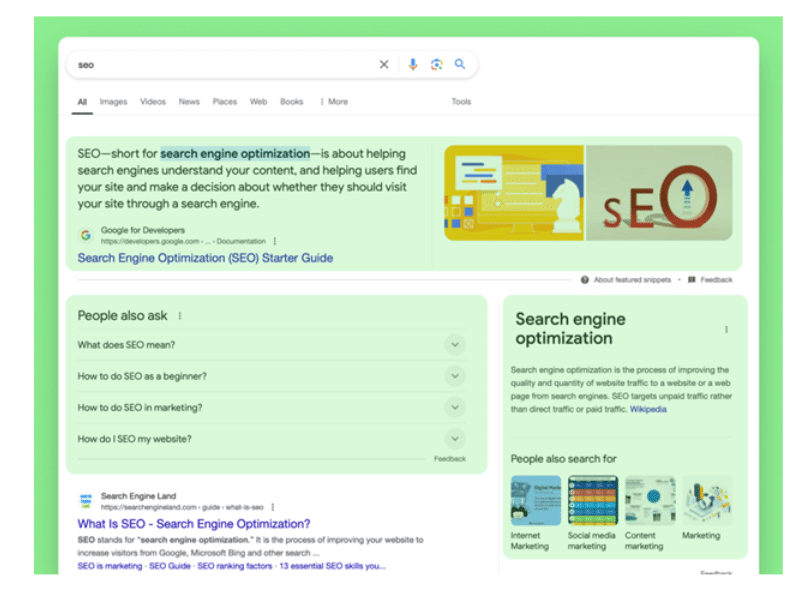
Some of the most important SERP features include:
- Knowledge Panels: The information boxes on the right side of Google Search that show logos, executives, services, and official links.
- Entity panels: Smaller panels that appear directly in results for products, services, or niche topics.
- AI Overviews: Summaries at the top of search results where Google uses AI to answer questions, often citing trusted sources.
- Shopping Graph results: Product listings that connect brands, sellers, and distributors directly in search.
- Other rich results: Think FAQs, “Top Stories” boxes, or event listings that highlight structured content.
Every one of these surfaces is another chance for your audience to see your brand.
As brands appear across Knowledge Panels, AI Overviews, and entity-driven results, it’s important to measure visibility holistically through AI Share of Voice Analysis. This approach tracks how often your brand is mentioned or cited across AI-generated answers and SERP features—revealing whether competitors are dominating the narrative even when your site ranks well organically.
To do this, you need to publish your press releases on your own site and set them up with schema markup. Keep the details consistent with what’s on your website, social profiles, and business listings. Link back to those sources from the release.
The clearer and more connected your information is, the easier it is for Google to pull it into these features.
Maintain consistency across digital touchpoints
One of the biggest Knowledge Graph signals is data consistency.
Imagine your press release says one thing, but your Google account and social media profiles say another. Google will struggle to recognize your brand.
(Check that your details are the same everywhere. When everything matches, Google’s more confident it’s the same brand.)
Generative AI and entity-based content
Google increasingly uses generative artificial intelligence (GenAI) and semantic technologies to summarize information and answer questions directly in search.
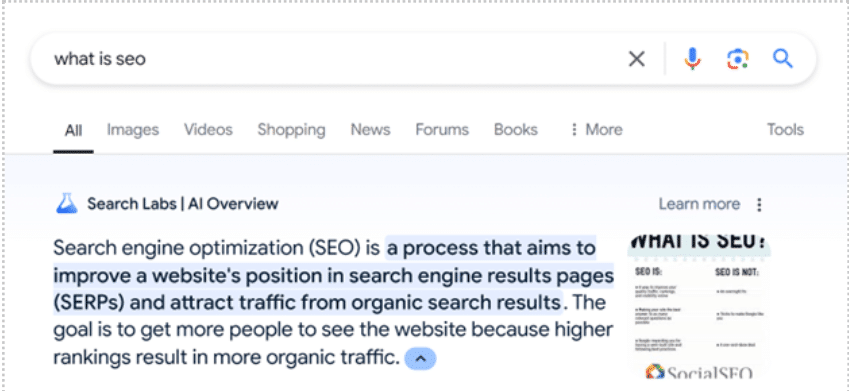
To do that, it relies on structured facts from the Knowledge Graph.
But if your press release is written as plain, unstructured text, Google may miss key details.
This is why it’s so important to create entity-based content with clear relationships. You need to write in a way that makes brands, people, products, and places easy for Google to identify. That way, it sees these entities as distinct “things”, not just words in a sentence.
When it’s clear who the brand is, what the service is, and how it connects to the industry, Google is more likely to recognize it as an entity.
That recognition is what gets you pulled into the Knowledge Graph and featured in AI-powered results like AI Overviews or entity panels. Using virtual office software can also help businesses structure their digital presence more clearly, making brand recognition easier for search engines.
For PR teams, that’s long-term visibility and authority, instead of a short news cycle spike.
How do you do it?
- Write with precision using full names of people, products, and companies.
- Link to official profiles or websites so Google can verify the information.
- Add schema markup for each major entity.
- Avoid vague wording.
Connect your press release to things Google already trusts
In the Knowledge Graph, some entities are already strong and well-documented.
Think compliance frameworks, medical terms, government organizations, global locations.
When your press release mentions these strong entities, you connect your brand to sources Google already trusts. That connection makes it easier for Google to slot your brand into the Knowledge Graph in the right place.
Here are a few examples:
- Technology: Naming widely used platforms or certifications, like “Salesforce” or “ISO 27001”, connects your brand to authoritative technology entities.
- Geography: Adding locations like “New York” or “Asia Pacific” links your release to geo-entities Google already has in its database.
- Aerospace: Referencing NASA or the Kennedy Space Center places your announcement alongside highly trusted entities.
- Finance: Mentioning frameworks like “GDPR” or “PCI DSS” ties your brand to compliance standards Google already knows.
- Healthcare: Naming a medication by its official name ties your brand to medical categories Google firmly recognizes.
The clearer those links, the stronger your chance of showing up in Knowledge Panels and other SERP features.
Wrap Up
Press releases shouldn’t simply serve as fleeting media announcements anymore.
When you optimize them the right way, they can become long-term visibility assets in Google’s Knowledge Graph.
For PR teams, this is an important win. You’re shifting from one-off coverage to lasting authority in search results. By adding schema markup, strengthening entity mentions, and linking to authoritative sources, you help your brand or your client’s brand secure a Knowledge Panel, driving them up the rankings.
Want more ways to align PR with SEO?
Agility PR’s tools help you distribute press releases, monitor coverage, and track how your brand shows up in search. Book a demo today.
FAQ: Press Releases for Knowledge Graph Visibility
What is the Knowledge Graph?
The Knowledge Graph is Google’s database of connected facts about brands, people, products, and places. It helps Google display Knowledge Panels, entity panels, and other search features.
Why should I optimize press releases for it?
Optimized press releases increase your chances of appearing in Knowledge Panels, boost visibility, and help control the narrative about your brand in search results.
How do I make a press release Knowledge Graph-friendly?
Include clear entity mentions (brand, executives, products, location), add schema markup, link to authoritative sources, and ensure consistency across digital touchpoints.
Can WordPress plugins help?
Yes. Plugins like Yoast SEO and Rank Math can add schema markup without coding, making your press releases easier for Google to understand.
What are common mistakes to avoid?
Vague wording, inconsistent details, missing links to official sources, and unstructured text that Google’s NLP can’t easily interpret.
Will optimizing press releases guarantee a Knowledge Panel?
No. Optimization improves your chances, but Google’s algorithms determine placement based on authority, relevance, and connected entities.