Trust is one of the most fragile assets a brand can own. It takes years to build, but it can be damaged quickly by unclear messaging, poor customer experiences or a public response that feels defensive. In regulated industries, the pressure is even higher because...
Many brands are celebrating America’s 250th birthday with humdrum promotions—here are the key culprits
On March 23, on this website, I authored an essay titled, ‘How brands can avoid the Super Bowl and Olympics trap during America’s birthday celebration.’ The thesis of the article was that there will be so many promotions regarding America’s birthday that it will be...
How executive coaching is changing corporate communications in 2026
The responsibilities of corporate leaders have expanded dramatically over the past few years. Executives are no longer expected to simply guide business strategy. They are increasingly serving as public spokespeople, internal communicators, brand ambassadors, and...
The convenience trap: When making things easier hurts brand loyalty
Over the past decade, businesses have invested heavily in making every customer interaction faster, simpler, and more efficient. From one-click checkouts and subscription models to AI-powered support and on-demand services, reducing friction has become a central part...
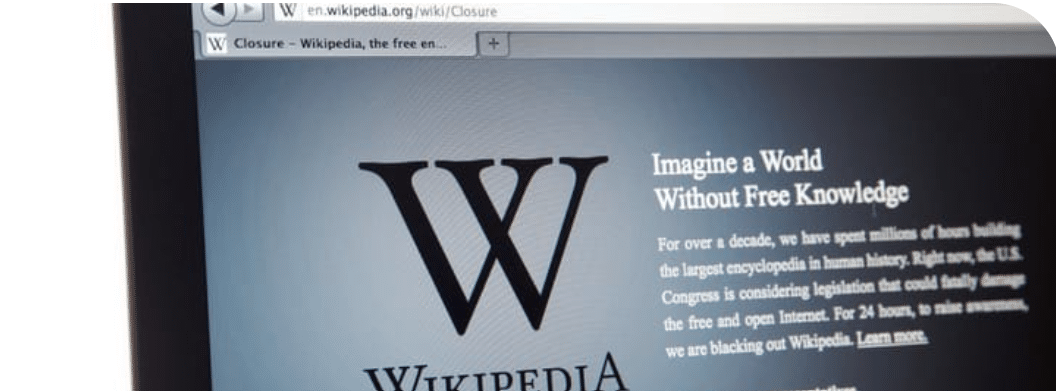
Why creating a Wikipedia article is so difficult for startups
For startups and founders, Wikipedia can feel like the missing piece of a modern visibility strategy. The encyclopedia's 7 million-plus articles (in English alone!) rank prominently in Google results, provide text for knowledge panels, and power voice search responses...
Fake authority is the new spam: How over-optimized expert quotes are hurting brand trust
Audiences don’t passively absorb expertise anymore — they assess it instantly. On digital platforms, executive interviews, LinkedIn updates, and press commentary, readers constantly encounter refined insights that feel increasingly similar. The wording shifts a...
Financial services PR playbook for reputation and risk management in 2026 and beyond
In 2026, financial firms face a landscape in which rumors and technical glitches can escalate into crises within minutes. Maintaining a stable reputation depends on your organization’s ability to provide accurate information as quickly as the news spreads. This...
What if your PR budget gets cut tomorrow? A smarter way to plan for uncertainty
Most PR teams don’t get a polite warning before the budget changes. It happens in a leadership meeting you weren’t in, after a rough quarter, during a hiring freeze, or right when a launch calendar starts to fill up. That’s why “we’ll figure it out if it happens” is...
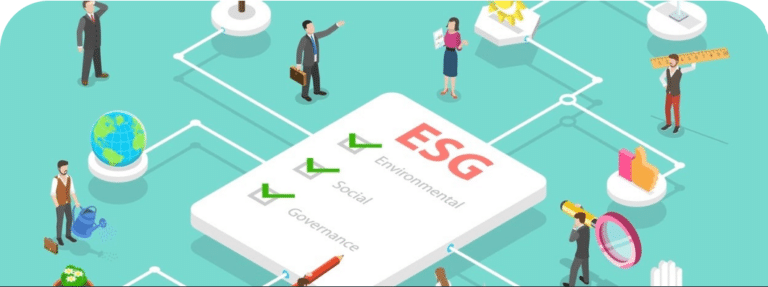
ESG storytelling—communicating your impact: A modern PR guide for 2026
A sustainability target means one thing on a spreadsheet. That changes when you can see how it changes operations, hiring decisions, supply chain behavior, or customer experience in practice. Most ESG reports fail for the same reason: they read like obligations...
Beyond the statement: How to embed DEI into everyday PR strategy in 2026
Most teams already have a DEI position, but that still doesn’t reflect in their standard workdays. The same teams that publish strong statements still default to familiar voices, familiar vendors, and familiar angles when timelines get tight or stakes get high. Image...
Crafting a defensive program for World Cup sponsors is a must because of possible protests
This essay is a follow-up to my article on this website about how to break through the clutter and gain brand recognition for World Cup sponsorships. Sports marketing publicists representing clients that sponsor the World Cup will be faced with a major problem: how to...
How CPG brands can build loyalty beyond the point of purchase
For many consumer packaged goods brands, the sale has traditionally been viewed as the finish line. Once a consumer purchases the product, the transaction is complete, and marketing efforts shift toward driving the next sale. That approach no longer reflects how...